Wallbox Quasar 2 Technical Review and Engineering Analysis
The Wallbox Quasar 2 delivers exceptional bidirectional charging performance for compatible electric vehicles. It transforms your vehicle into a powerful home energy storage asset.


This advanced DC bidirectional charger provides unmatched energy independence despite requiring complex professional electrical installations and specific compatible vehicle support.
Explore related alternatives in our Best Ev Level 2 Charger.
Verified Specifications
| Category / Type | DC Bidirectional EV Charger |
|---|---|
| Rated Output / Capacity | Up to 11.5 kW bidirectional power |
| Power / Motor | 240V AC grid interface, DC vehicle link |
| Build & Materials | Weather-resistant rugged cast aluminum housing |
| Operating Noise | Active forced-air cooling under 50 dB |
| Duty Cycle / Runtime | Continuous 24/7 grid support capable |
| Dimensions & Weight | Compact wall-mount enclosure under 50 lbs |
| Key Safety & Controls | ISO 15118 compliance, MyWallbox app |
What We Liked
- Seamless V2H and V2G bidirectional energy transfer capabilities
- Robust thermal management system supporting continuous high loads
- Intuitive smartphone application interface for scheduling sessions
- Compact housing design optimized for residential garage walls
Trade-Offs
- High specialized installation costs requiring extra hardware components
- Limited compatibility restricted to specific CCS-equipped electric vehicles
- Complex local utility permitting processes can delay activation
Core Hardware Architecture and Electrical Ratings
The Wallbox Quasar 2 redefines residential infrastructure by introducing advanced bidirectional power delivery directly to your garage. For alternative AC options, check out our Wallbox Pulsar Plus Vs Chargepoint Home Flex comparison.
Operating via the standardized CCS connector on supported electric vehicles, this sophisticated unit supports high-capacity DC charging and discharging cycles seamlessly.
The internal architecture utilizes advanced bidirectional DC topology to manage power conversion efficiently. Integrating a heavy-duty CCS connector, the unit processes high-voltage direct current seamlessly between your electric vehicle and home electrical grid.
Operating on standard residential supply inputs, it delivers reliable output currents tailored for demanding backup scenarios. Proper installation requires dedicated circuit breakers and robust wiring gauges to safely handle continuous bidirectional energy transfers without thermal degradation.
- Delivers up to 11.5 kW of continuous bidirectional power
- Utilizes standard CCS vehicle communication protocols securely
- Supports comprehensive Vehicle-to-Home energy backup systems
Electrical Integration and Power Delivery
Integrating this bidirectional hardware requires specialized electrical panels and compatible grid interconnects to manage heavy DC loads safely.
Licensed professional electricians must carefully verify local utility regulations before commissioning continuous output modes to completely prevent severe grid backfeed hazards.
- Requires dedicated DC-compatible subpanel integration
- Mandates professional grid-tie safety inspection sign-off
Real-World Utility Deployments and V2X Integration
Deploying this hardware in residential settings unlocks powerful Vehicle-to-Home backup features during unexpected grid power outages or emergencies.
Homeowners can discharge stored vehicle battery energy during peak pricing hours to drastically lower monthly utility electricity expenditures.
Bidirectional functionality allows your automobile battery to power essential household appliances during grid outages. This setup requires an approved transfer switch and compatible electric vehicles to maintain secure islanding operations and prevent dangerous backfeeding.
Advanced software algorithms optimize daily energy usage by automatically discharging vehicle reserves during peak pricing hours. Connecting seamlessly with smart home platforms, the system maximizes potential utility savings while preserving long-term battery health metrics.
- Automated switching during local utility power failures
- Optimized tariff scheduling via cloud-connected software profiles
- Reduces peak demand charges for large residential households
Grid Interaction and Pilot Programs
Many regional utility providers now encourage bidirectional installations through specialized pilot programs offering financial incentives.
Participating households help stabilize local distribution grids by feeding surplus solar energy back into community lines.
- Supports Virtual Power Plant aggregation networks
- Enhances local renewable energy utilization rates
Thermal Management, Efficiency, and Acoustic Profile
Efficient thermal design keeps internal component temperatures stable during heavy bidirectional power conversion tasks in warm weather.
Integrated cooling fans operate quietly, maintaining an acoustic profile below fifty decibels during maximum continuous output sessions.
Maintaining optimal internal temperatures requires robust active cooling mechanisms capable of managing high-power conversions. Integrated thermal sensors continuously monitor components, adjusting fan speeds to prevent overheating during extended charging sessions under direct sunlight.
Conversion efficiency remains remarkably high across varied load conditions, minimizing wasted electrical energy as heat. Despite the internal cooling fans operating under heavy workloads, the acoustic profile stays remarkably low for residential environments.
- Advanced internal sensors monitor critical semiconductor temperatures
- Variable-speed fans optimize airflow without excessive noise
- High conversion efficiency minimizes wasted thermal energy
Sustained Load Performance
Thermal throttling remains minimal even during extended vehicle discharging sessions under high ambient summer garage temperatures.
Proper clearance around the wall-mounted chassis ensures unrestricted airflow for optimal long-term electronic component reliability. Before finalizing your setup, consult our Wallbox Pulsar Plus Vs Tesla Wall Connector breakdown for alternative hardware specs.
- Maintains rated power output without sudden shutdowns
- Protects internal inverter circuitry from heat stress
Ergonomics, Connector Usability, and Setup Workflow
The attached tethered cable features ergonomic handle geometries that fit comfortably in various hand sizes during daily plug-in routines.
Cable flexibility remains excellent across diverse temperature ranges, preventing stiff handling during freezing winter morning charging sessions. You can also review our Bmw Wallbox Vs Tesla Wall Connector analysis to compare OEM charging hardware features.
The tethered cable assembly features durable jacketing designed to withstand repeated coiling and extreme weather conditions. Generous cable dimensions provide flexible reach across typical garage layouts without straining the vehicle charge port.
Ergonomic holster designs securely lock the heavy connector in place when not actively transferring power to your car. Clear LED indicators communicate operational status clearly, simplifying the initial diagnostic and network pairing workflow significantly.
- Durable tethered CCS cable with secure latching mechanism
- Convenient holster design prevents cable strain on walls
- Intuitive LED status ring clearly displays operational states
Software Configuration and Commissioning
Initial setup requires pairing the hardware with the mobile application via Bluetooth to establish secure network credentials.
The guided onboarding software walks installers through critical voltage calibrations and safety limit configurations successfully.
- Streamlined Wi-Fi and Ethernet network provisioning
- Real-time firmware updates delivered over the air
Maintenance Protocols, Enclosure Durability, and Weatherproofing
Constructed from weather-resistant cast aluminum, the exterior housing provides exceptional protection against driving rain and windborne dust.
Routine maintenance requires only basic visual inspections of the cable insulation and periodic cleaning of exterior surfaces.
Weatherproofing relies on a sturdy exterior chassis rated to withstand heavy moisture, dust, and freezing temperatures. High ingress protection seals prevent environmental contaminants from compromising the sensitive internal circuit boards over years of exposure.
Routine upkeep requires periodic visual inspections of terminal connections and cleaning exterior housing surfaces with mild detergents. Checking integrated surge protection devices ensures your equipment remains shielded against unexpected electrical transients from the grid.
- Weatherproof rating suitable for outdoor garage placements
- Corrosion-resistant metal chassis ensures long operating life
- Simple visual checks keep the charging station safe
Long-Term Durability Considerations
The heavy-duty connector pins resist oxidation and wear through thousands of mating cycles under normal daily use.
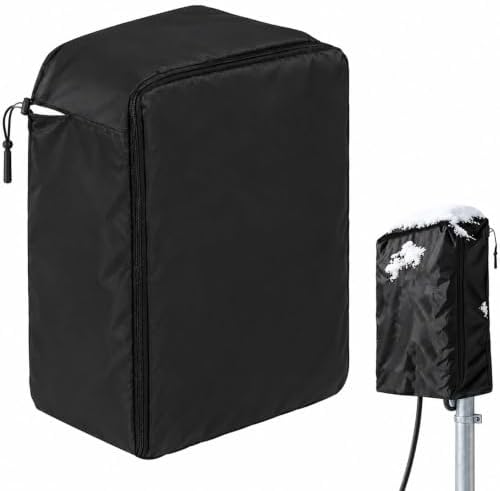
Protective accessories like fitted outdoor covers help shield the housing from harsh direct sunlight and falling debris.
- Silver-plated connector contacts prevent electrical resistance
- Robust strain relief guards against internal wire fatigue
Comprehensive Buyer Verdict and System Recommendations
The Wallbox Quasar 2 stands out as a pioneering piece of residential energy hardware for forward-thinking electric vehicle owners. For standard smart charging alternatives, explore our Emporia Ev Charger Vs Wallbox Pulsar Plus comparison guide.
While upfront expenses and installation complexity are high, the unmatched backup capability justifies investment for energy independence enthusiasts.
Deploying this advanced hardware demands careful evaluation of your home electrical capacity and existing panel limitations. Upgrading your service entrance is frequently necessary to support the substantial power demands required for bidirectional energy exchange.
Homeowners seeking ultimate backup autonomy and smart energy management will find unmatched value in this sophisticated ecosystem. Comprehensive warranty coverage provides essential peace of mind, solidifying its position as a top-tier residential charging solution.
- Best suited for compatible CCS electric vehicle owners
- Requires careful evaluation of home electrical capacity
- Provides future-proof home microgrid integration features
Final Purchasing Guidance
Consult with certified electrical contractors experienced in bidirectional systems before purchasing this advanced charging hardware.
Ensure your specific vehicle model officially supports bidirectional CCS discharging to unlock the full engineering potential.
- Verify vehicle firmware compatibility prior to installation
- Plan for dedicated subpanel upgrades in older homes
Frequently Asked Questions
Does the Wallbox Quasar 2 work with every electric vehicle on the market?
No, compatibility is currently restricted to specific electric vehicles supporting CCS bidirectional power protocols. You must verify vehicle specifications before purchasing this hardware.
What happens to my home power if the local utility grid fails unexpectedly?
The system automatically initiates vehicle-to-home backup power transfer within seconds. This process keeps essential household appliances running smoothly during unexpected outages.
Can I install this advanced bidirectional charger myself in my home garage?
No, professional installation by a licensed electrician is strictly required. The complex wiring and grid-tie safety standards demand certified technical expertise.
How does the charger manage heat during continuous high-load power sessions?
An integrated active cooling system regulates internal temperatures efficiently. This mechanism ensures stable operation without disruptive noise levels in residential environments.
Will using bidirectional charging degrade my electric vehicle battery prematurely?
Smart management software optimizes discharge cycles to protect battery health. Manufacturer guidelines and warranty terms govern safe vehicle energy usage limits.