Tesla Wall Charger Gen 3 Review
This sleek hardwired unit delivers up to 48 amps of continuous Level 2 power. It remains an industry benchmark despite requiring dedicated electrical planning.


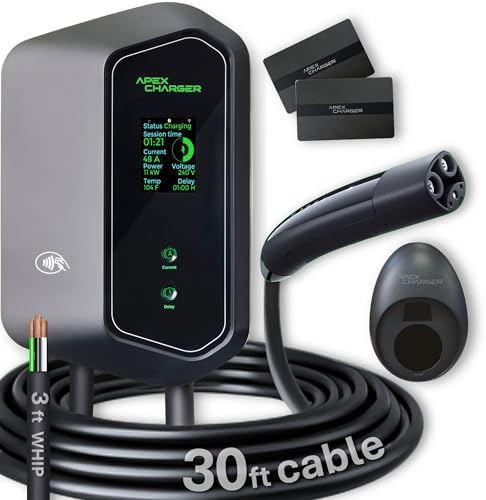
The Tesla Wall Charger Gen 3 combines striking modern design with robust 11.5kW power delivery, though rigid cabling demands precise garage placement planning.
Explore related alternatives in our Best Level 2 Charger For Tesla.
Verified Specifications
| Output Voltage | 240 Volts AC |
|---|---|
| Amperage Rating | 48 Amps Max (Adjustable) |
| Power Output | Up to 11.5 kW |
| Enclosure Rating | Indoor and Outdoor Rated (IP55) |
| Cable Length | 24 feet |
| Connector Type | NACS Tesla Standard |
| Connectivity | Wi-Fi 802.11 b/g/n |
| Certifications | UL 2594, ETL, FCC Compliant |
| Dimensions | 15 inches x 8 inches x 4 inches |
| Weight | 12.2 pounds |
What We Liked
- Delivers rapid 48-amp charging capabilities across standard 240-volt residential circuits.
- Features a sleek, weather-resistant enclosure suitable for indoor or outdoor mounting.
- Includes a generous 24-foot cable for flexible garage positioning and reach.
- Supports Wi-Fi connectivity for remote firmware updates and dynamic power sharing.
Trade-Offs
- Hardwired installation requirement eliminates simple plug-and-play NEMA outlet setups.
- Thick, heavy-gauge cable can become quite stiff during cold winter months.
- Lacks native J1772 connectivity without utilizing external aftermarket adapter accessories.
Engineering Build and Enclosure Design
The Tesla Wall Charger Gen 3 features a minimalist tempered glass faceplate. For alternative styling and dynamic energy management, consult our detailed tesla wall connector vs emporia ev charger analysis before purchasing hardware.
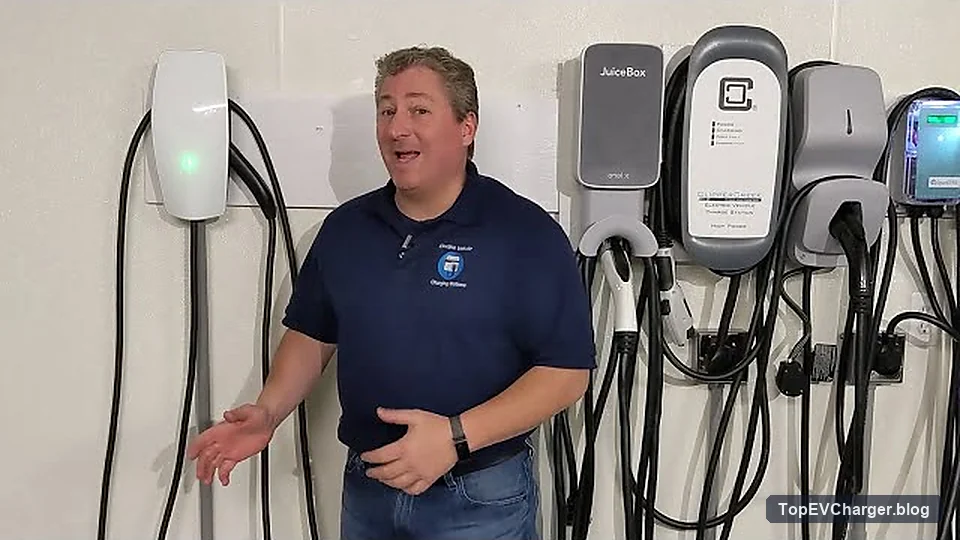
Constructed from heavy-duty polymers, the outer chassis achieves an IP55 weather resistance rating for reliable outdoor installations. Users can mount this unit directly exposed to rain and snow without compromising internal electronics.
The Gen 3 enclosure utilizes a robust polycarbonate front faceplate designed to withstand harsh outdoor weathering while maintaining a sleek aesthetic. Its NEMA 4 rating ensures reliable protection against driving rain and windblown dust.
Measuring 21 inches high by 6 inches wide, the unit footprint allows for compact mounting on standard residential studs. Internal terminal blocks accommodate thick copper conductors securely without stressing the molded structural housing.
- Tempered glass front panel resists scratches.
- IP55 rating handles direct precipitation.
- Weighs 12.2 pounds for secure mounting.
Cable Engineering and Strain Relief
The attached twenty-four-foot cable uses thick copper conductors designed to handle continuous high-amperage loads. Heavy strain relief collars prevent internal wire fatigue where the cable enters the primary housing chassis.
- Flexible jacket resists oil and abrasion.
- Integrated holster keeps plug clean.
Material Science and Weatherproofing
Selecting proper mounting locations requires evaluating direct sunlight exposure. The UV-resistant polymers prevent yellowing and material degradation over years of direct thermal cycling in harsh southern US climates.
Gasket sealing along the perimeter prevents moisture ingress during high-pressure washing or severe coastal storms, protecting the internal logic board and power relays from corrosive salt spray environments.
Electrical Output and Real-World Charging Performance
Operating on a dedicated 240-volt circuit, this charger delivers a maximum output of 48 amps. This electrical capacity translates to roughly 11.5 kilowatts of continuous power pumped directly into compatible electric vehicles.
Real-world replenishment rates reach up to 44 miles of range per hour, depending on vehicle onboard charger limits. Owners plug in overnight and consistently wake up to a fully restored battery pack every single morning.
Delivering up to 48 amps of continuous output, the charger requires a dedicated 60-amp circuit breaker. This capacity translates to roughly 44 miles of driving range added per hour of charging session.
Voltage drop over long wire runs can slightly reduce delivered power. Using oversized copper wiring mitigates resistance, ensuring your electric vehicle receives the maximum possible amperage without tripping thermal protections.
- Delivers 48A maximum continuous current.
- Adds up to 44 miles per hour.
- Adjustable internal dial scales output.
Vehicle Compatibility and Connector Dynamics
The native NACS connector plug integrates seamlessly with modern electric vehicles. Property owners charging mixed fleets can consult our tesla universal wall connector vs chargepoint home flex comparison for versatile plug options.
- Direct fit for Tesla line-up.
- Adapter required for CCS1 vehicles.
Circuit Capacity and Amperage Adjustments
Installers can configure the internal rotary switch to match smaller breakers such as 40 or 50 amps. This manual amperage adjustment makes the hardware compatible with restricted home electrical service panels.
Real-world efficiency remains exceptionally high due to minimal internal resistance within the power delivery path, converting grid electricity directly into battery storage with very little wasted thermal energy.
Video Review: Is The Tesla Gen 3 Wall Connector Worth Your Money?
Thermal Dynamics, Noise Levels, and Efficiency
Advanced internal sensors monitor operating temperatures continuously to prevent hazardous overheating during extended charging sessions. If internal components get too warm, the unit gracefully scales back amperage rather than abruptly failing.
Operating sound levels remain completely silent because the hardware relies entirely on passive convection cooling. You will not hear any annoying fan hums or mechanical switching noises while your vehicle charges overnight.
Operating completely passively, the unit relies on natural convection cooling through its rear aluminum heatsink fins. This fanless thermal design eliminates mechanical points of failure and annoying buzzing sounds.
Internal temperature sensors continuously monitor critical electrical components, automatically throttling current if ambient conditions exceed safe operational thresholds during heavy summer usage peaks in unshaded garages.
- Passive cooling eliminates noisy fans.
- Automatic thermal throttling prevents damage.
- Maintains high electrical transfer efficiency.
Convective Cooling and Efficiency Metrics
High conversion efficiency ratings approach ninety-two percent, meaning virtually all drawn current flows directly into the vehicle battery pack rather than dissipating as ambient heat in your garage.
Maintaining adequate clearance around the chassis ensures optimal airflow, preventing localized heat pockets that could prematurely degrade internal capacitors or trigger protective circuit shutdowns.
Connectivity, Wi-Fi Setup, and Smart Features
Integrated Wi-Fi connectivity allows the charging station to download automatic firmware updates and security patches. Homeowners use the smartphone application to monitor energy consumption metrics and track charging history logs.
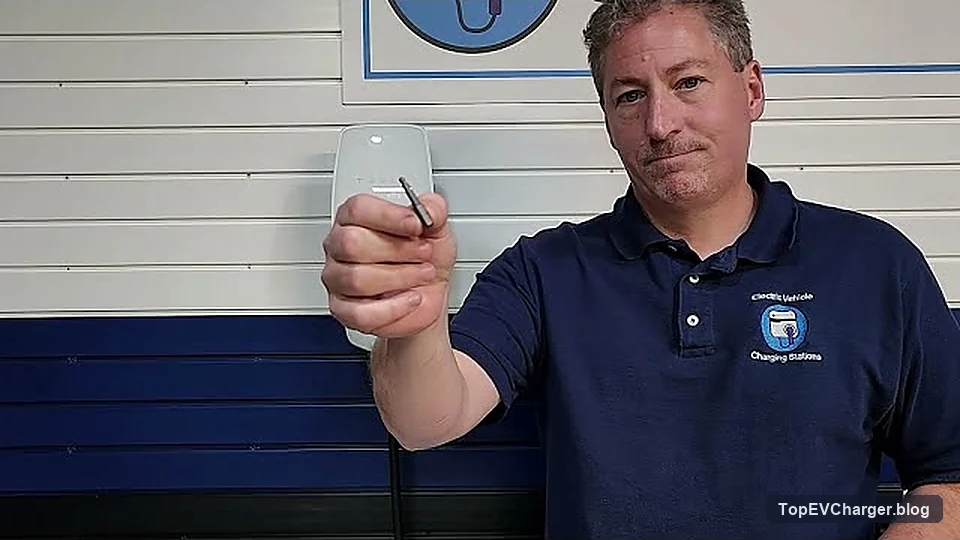
Power sharing capabilities allow multiple wall units to coordinate electricity distribution across a single shared circuit breaker. This intelligent feature prevents residential electrical panels from overloading when charging multiple vehicles simultaneously.
Connecting via 2.4 GHz Wi-Fi networks, the hardware links to mobile applications for remote monitoring. Buyers exploring top-tier equipment should review our best level 2 charger for tesla roundup to compare smart capabilities.
Access control settings let residential owners restrict charging access to authorized vehicle identification numbers only, preventing unauthorized neighborhood use when installed in an open driveway or public-facing parking space.
- Wi-Fi enables remote firmware updates.
- Dynamic power sharing controls multiple units.
- Smartphone app tracks energy metrics.
Firmware Updates and Network Security
Over-the-air firmware updates deliver ongoing feature enhancements and critical security patches automatically without requiring manual user intervention from the homeowner once initial network pairing is completed successfully.
Strong WPA2 encryption protocols protect local network integrity against unauthorized external access attempts while maintaining stable communication channels with remote cloud servers for real-time usage tracking.
Installation Requirements and Electrical Planning
Professional hardwiring is strictly required to unlock the full 48-amp continuous output capability safely. Electricians must install a dedicated sixty-amp circuit breaker paired with heavy-gauge copper wiring to meet code.
The internal configuration wizard guides installers through setting the correct amperage limit using a rotary switch. This crucial step ensures the hardware matches your home's specific electrical panel capacity safely.
Proper installation demands strict adherence to the National Electrical Code, utilizing THHN copper conductors sized appropriately for the chosen breaker rating and total wire run distance.
Precise torque wrench usage is mandatory when securing terminal screws to prevent loose connections that could generate excessive heat, dangerous arcing, or catastrophic electrical failures under full load.
- Requires dedicated 60-amp circuit breaker.
- Hardwired connection ensures maximum safety.
- Internal rotary dial limits amperage.
Conduit Routing and Wall Mounting
Bottom or rear entry options for electrical conduit require careful layout planning to maintain the enclosure waterproof rating using appropriate compression fittings and sealing washers.
Securing the lightweight mounting bracket to solid wood wall studs ensures the entire assembly supports the dynamic mechanical strain of daily cable handling without pulling loose.
Long-Term Durability, Maintenance, and Safety Standards
Rigorous safety certifications include UL 2594 compliance to ensure protection against electrical shock and fire hazards. The robust enclosure withstands accidental impacts in busy home garages without cracking its exterior shell.
Routine maintenance is remarkably minimal, requiring only occasional visual inspections of the cable and connector pins. Keeping the NACS plug free from dirt ensures reliable electrical contact during every charging session.
Routine maintenance involves inspecting the twenty-four foot cable for cuts, abrasions, or UV cracking, alongside wiping down the exterior housing with a damp microfiber cloth.
Meeting stringent UL safety listings, the internal ground fault circuit interruption monitor provides continuous protection against hazardous electrical leakage currents during adverse weather conditions.
- UL 2594 certified safety standards.
- Impact-resistant exterior polymer housing.
- Minimal maintenance keeps unit operational.
Connector Maintenance and Safety Protocols
The charge handle contact pins should remain clean and free from dirt, dust, or debris to ensure optimal electrical conductivity during high-amperage power transfer sessions.
Periodic physical checks of the mounting hardware and wall anchors guarantee the unit remains firmly affixed despite continuous physical interactions and heavy pulling forces from daily users.
Definitive Buyer Verdict and Competitive Context
The Tesla Wall Charger Gen 3 stands as a premier residential choice. When evaluating options, our rivian wall charger vs tesla wall connector comparison highlights crucial differences in cable length and app ecosystems.
While it lacks native J1772 connectivity, its superior build quality makes it an exceptional long-term investment. Homeowners with compatible vehicles will appreciate the seamless daily charging experience provided by this hardware.
Standing out in the residential charging landscape, this unit balances industrial build quality with seamless software integration, making it a benchmark choice for modern EV owners.
While optimized primarily for Tesla vehicles using the native connector, adapters allow universal compatibility, extending its robust performance benefits to virtually any electric vehicle brand on the market.
- Exceptional build quality and design.
- Reliable high-speed daily charging performance.
- Requires professional hardwired electrical setup.
Ecosystem Integration and Value Proposition
Combining reliable hardware engineering with intuitive mobile application controls delivers an exceptional daily ownership experience that justifies the installation investment for dedicated electric vehicle operators.
Long-term reliability metrics and comprehensive safety certifications solidify its reputation as a premier energy delivery solution for residential garages and diverse commercial parking applications alike.
Frequently Asked Questions
Can I install the Tesla Wall Charger Gen 3 outdoors?
Yes, the unit features a durable IP55 weather rating specifically engineered to withstand heavy rain, snow accumulation, and direct sunlight without failing under extreme environmental conditions.
Professional electrical installation ensures proper moisture sealing for reliable long-term outdoor durability across freezing winter climates and scorching summer heatwaves experienced nationwide.
Does this charger require a hardwired connection?
Yes, hardwiring is strictly required to support the maximum 48-amp continuous output safely in modern residential settings.
A professional certified electrician must install a dedicated circuit breaker and heavy-gauge copper wiring matching local electrical building codes perfectly to prevent any potential overloads or safety hazards during operation.
Can non-Tesla electric vehicles use this charging station?
Yes, non-Tesla electric vehicles can charge seamlessly using a certified NACS adapter purchased from reputable automotive accessory suppliers today.
The charging hardware delivers reliable high-speed power regardless of the specific connected vehicle brand or manufacturer operating across North America without encountering performance bottlenecks.
What electrical breaker size is needed for full power?
Achieving the full output requires a dedicated 60-amp circuit breaker paired with heavy-gauge copper wiring inside your main garage electrical panel.
Certified installers can easily configure lower internal amperage limits if your home electrical panel capacity happens to be restricted by older infrastructure or local utility regulations governing residential loads.
Does the charger require an active Wi-Fi connection?
Wi-Fi connectivity remains completely optional for basic everyday charging functions but is necessary for receiving automatic firmware updates and tracking detailed energy metrics.
The hardware operates normally without an active internet connection after the initial setup process is completed successfully on your mobile device connected securely to your home wireless network.