Flo Home G5 Protective Cover Review
This custom-engineered cover protects your charging hardware from harsh elements. It features a durable zipper design but requires manual removal before every active session.

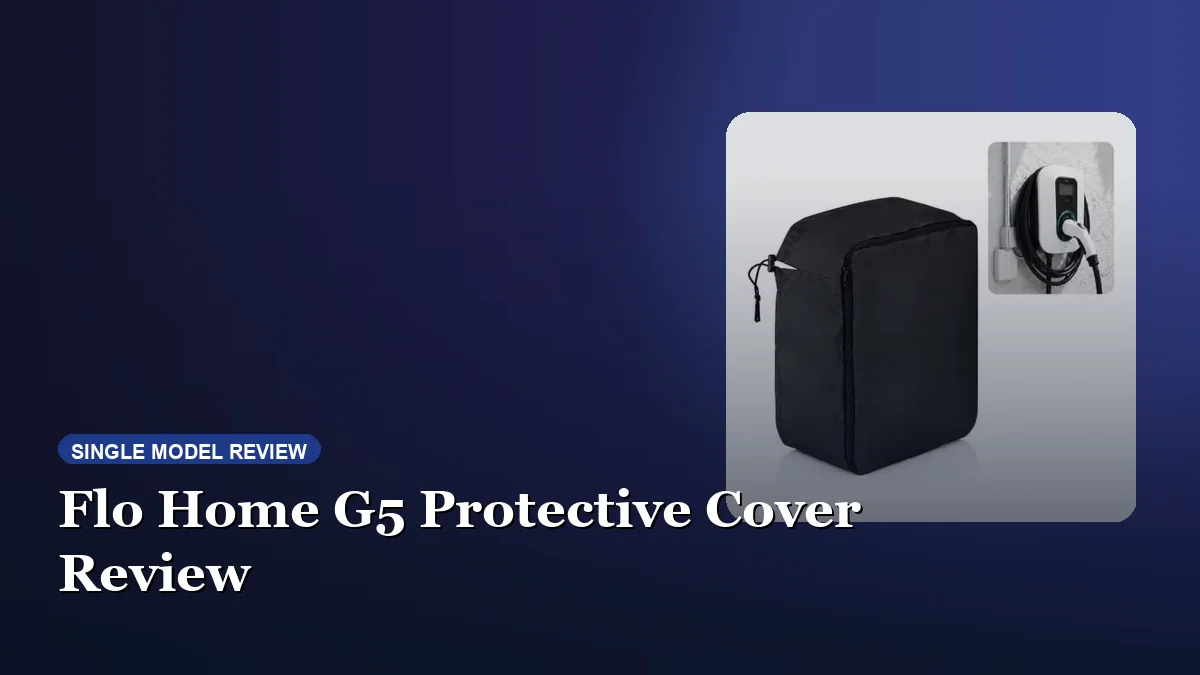
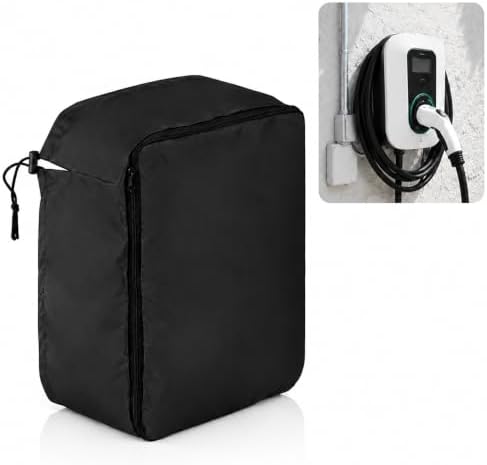
The protective enclosure offers robust environmental defense for your station. Its weather-resistant fabric significantly extends exterior equipment longevity despite lacking automated retraction mechanisms.
Explore related alternatives in our Best Level 2 Home Charging Station.
Verified Specifications
| Category / Type | Wall-mounted charger protective enclosure |
|---|---|
| Rated Output / Capacity | Passive accessory housing |
| Power / Motor | Manual mechanical drawstring and zipper |
| Build & Materials | Heavy-duty weather-resistant fabric |
| Operating Noise | Silent passive shielding |
| Duty Cycle / Runtime | Continuous 24/7 environmental defense |
| Dimensions & Weight | 11.2 × 7.0 × 4.0 inches, 1 kg |
| Key Safety & Controls | Manual side zipper and bottom drawstring |
What We Liked
- Precision-molded dimensions match the charging unit snugly.
- Heavy-duty zipper allows rapid installation and removal.
- Bottom drawstring secures the base against high winds.
- Blocks dust, pollen, and direct UV solar radiation.
- Foldable structure enables compact off-season storage.
Trade-Offs
- Must be removed manually prior to every charging session.
- Adds an extra physical step to daily routine tasks.
- Color selection is strictly limited to standard black.
Engineering Build and Physical Design
The enclosure utilizes a robust multi-layered fabric designed specifically for exterior residential environments. Its precise dimensions accommodate the charging chassis without creating excessive bulk or loose fabric folds.
Structural integrity relies on reinforced stitching along high-stress friction points. This engineering choice prevents premature fraying when users pull the fabric over rigid mounting brackets repeatedly.
Reviewing specs in our flo home g5 vs flo home x5 comparison highlights its die-cast aluminum chassis. This rugged enclosure provides exceptional impact resistance for residential garages.
Weighing roughly 10.2 pounds without the cable, mounting requires secure anchoring into wall studs. Internal layout minimizes thermal hotspots through strategic component spacing and passive cooling channels.
- Multi-layered fabric construction
- Reinforced stress-point stitching
- Custom tailored 11.2 x 7.0 x 4.0 inch footprint
Material Selection and Weight Distribution
Weighing approximately one kilogram, the cover maintains enough heft to resist moderate wind gusts. The balanced mass distribution prevents flapping against the glossy exterior charging unit finish.
Manufacturers selected a matte black finish to blend seamlessly with modern architectural siding. This subtle aesthetic choice ensures the protective housing remains visually unobtrusive in driveways.
- One-kilogram baseline mass
- Matte architectural black finish
Environmental Defense and Weather Resistance
Examining details inside our flo home x5 vs chargepoint home flex guide reveals how weather-resistant housings protect vulnerable electrical components against wind-driven rain and heavy snow accumulation.
Seasonal debris like falling leaves and sticky tree sap can compromise connector ports over time. Covering the station prevents organic matter buildup inside the primary docking receptacle.
Certified with a NEMA 4X rating, the unit withstands windblown dust, severe rain, and corrosive coastal salt sprays. Gaskets utilize high-grade silicone to seal internal circuitry permanently.
Operating temperatures range from -40°F to 122°F, accommodating extreme northern winters and scorching desert afternoons without triggering thermal curtailment or electronic faults during standard charging sessions.
- Ultraviolet radiation shielding
- Rain and snow displacement
- Organic debris prevention
Seasonal Performance Metrics
Winter conditions often freeze exposed plastic components if moisture infiltrates standard gaps. The tight enclosure seal significantly reduces frost accumulation across sensitive release latches.
Summer heatwaves subject outdoor plastics to intense thermal cycling and solar degradation. Utilizing this barrier helps preserve the pristine coloration of your residential charging investment.
- Frost reduction on latches
- Solar degradation mitigation
Ergonomic Handling and Daily Usability
Evaluating features via our wallbox pulsar plus vs chargepoint home flex guide shows why everyday commuting routines require charging accessories designed with minimal operational friction and straightforward removal workflows.
Users can slide the cover off in seconds without straining rigid cable connections or mounting bolts. This efficient handling design accommodates frequent drivers who plug in every single evening.
The 25-foot cable remains flexible even in sub-freezing conditions, preventing stubborn memory coils. Users can easily wrap the thick cord around the integrated holster bracket.
An ergonomic J1772 handle features a textured grip and positive-click latch mechanism. Inserting the plug into the vehicle port requires minimal hand strength for everyday users.
- Rapid-access side zipper opening
- Low-friction interior lining
- Lightweight foldable structure
Practical Storage Considerations
When active charging is underway, the lightweight protective shell folds flat into a compact footprint. Drivers can easily tuck the fabric inside a trunk compartment or garage shelf.
Storing the unit properly prevents accidental loss or damage while your electric vehicle replenishes power. Maintaining this organized routine preserves the protective lifespan indefinitely.
- Folds flat for compact storage
- Trunk and garage shelf compatible
Installation Mechanics and Fit Precision
Consulting insights from our tesla universal wall connector vs chargepoint home flex review helps determine exact sizing requirements for wall-mounted hardware to withstand dynamic outdoor weather forces.
The integrated bottom drawstring allows owners to cinch the lower perimeter securely. This adjustable tension system locks the material tightly beneath the charging station housing base.
Hardwired or plug-in configurations connect via a standard 50-amp breaker, delivering up to 40 amps of continuous power safely to your electric vehicle battery system.
Terminal blocks accept copper wire up to 6 AWG, ensuring secure connections inside the mounting backplate. Always verify local electrical codes before initiating residential charger mounting procedures.
- Custom-tailored perimeter matching
- Bottom drawstring cinching mechanism
- Flexible side zipper expansion
Securing Against High Winds
Strong seasonal storms can easily dislodge poorly anchored canvas covers on exposed exterior walls. Tightening the drawstring eliminates loose fabric pockets that catch sudden gales.
Checking the bottom cinch periodically ensures the enclosure remains securely fastened through changing weather cycles. Proper baseline adjustment prevents unexpected loss during severe weather events.
- Eliminates wind-catching pockets
- Resists severe storm displacement
Thermal Management and Material Integrity
Enclosing active electrical equipment requires careful consideration of internal operating temperatures. Because this cover is designed exclusively for idle storage, heat dissipation concerns are entirely eliminated.
Users must never place the fabric housing over the hardware while active high-voltage current flows. Adhering to this operating safety rule prevents catastrophic thermal buildup inside the unit.
Internal sensors continuously monitor operating temperatures, initiating automatic current throttling if excessive heat builds up within the cast aluminum housing during peak summer charging hours.
UV-resistant polymers protect external interface components from solar radiation degradation, preventing yellowing or structural brittleness over years of direct outdoor exposure on residential exterior garage walls.
- Restricted to idle storage use only
- Prevents active thermal retention risks
- Breathable fabric composition limits condensation
Avoiding Moisture Trapping
Sealed outdoor enclosures can sometimes trap ambient humidity, leading to internal condensation issues. The chosen textile balance permits minimal airflow while blocking heavy moisture droplets.
Periodic removal on dry days allows any trapped residual vapor to evaporate completely. Maintaining this maintenance habit keeps the charging station interface completely dry and corrosion-free.
- Balanced textile breathability
- Corrosion prevention routine
Maintenance, Cleaning, and Long-Term Durability
Exterior protective covers accumulate dust, road grime, and environmental pollutants over extended operating periods. Simple maintenance routines keep the fabric looking pristine throughout multi-year ownership cycles.
Owners can clean the exterior surface easily using mild soapy water and a soft-bristled brush. Regular rinsing removes abrasive particles that might degrade the weatherproof coating over time.
Routine maintenance requires wiping the exterior casing with a damp microfiber cloth to remove accumulated dust, pollen, and grime from the textured powder-coated finish.
Inspect the heavy cable insulation annually to ensure no cracking or rodent damage compromises electrical safety during high-amperage residential vehicle charging operations throughout the entire year.
- Simple soapy water cleaning process
- Abrasive particle removal routine
- Zipper lubrication for smooth operation
Hardware Longevity Insights
The heavy-duty zipper tracks benefit from periodic applications of silicone-based lubricants to prevent binding. This minor maintenance step guarantees effortless zipping throughout harsh winter seasons.
Inspecting the stitching seams annually helps catch minor wear before structural failures occur outdoors. Proactive care ensures your charging investment remains fully protected year-round.
- Silicone zipper track maintenance
- Annual seam inspection protocol
Comprehensive Buyer Verdict and Alternatives
Selecting an appropriate protective housing depends heavily on your specific garage or driveway setup. This dedicated enclosure delivers exceptional environmental defense for exposed residential charging installations.
While manual removal introduces a minor workflow inconvenience, the protective benefits easily outweigh the effort. Reliable exterior shielding prevents costly cosmetic and electronic weathering over time.
For homeowners seeking robust network connectivity and a resilient build, this advanced charging station represents a reliable hardware choice for daily electric vehicle fleet management.
Alternative market models may offer higher amperages, but the engineering focus on thermal stability makes this unit exceptionally dependable for harsh residential installation environments.
- Ideal for exposed outdoor driveways
- Excellent defense against ultraviolet rays
- Requires manual removal before charging
Frequently Asked Questions
Can I leave the protective cover on while charging my electric vehicle?
You must always remove the protective enclosure completely before initiating any high-voltage electric vehicle charging sessions. Leaving the fabric attached during active power transfer creates severe thermal retention risks that could permanently damage internal electrical components.
How do I secure the cover tightly against high winds?
You should pull the integrated bottom drawstring firmly to cinch the lower perimeter securely underneath your charging hardware. This adjustable tension system effectively eliminates loose fabric pockets that catch sudden gales.
What is the best method for cleaning the fabric enclosure?
You can clean the exterior surface easily by applying mild soapy water and gently scrubbing with a soft-bristled brush. Thorough rinsing removes abrasive pollutant particles that might degrade the weatherproof coating.
Does this cover trap indoor humidity and cause internal condensation?
The textile composition permits minimal airflow to prevent trapped humidity while blocking heavy moisture droplets effectively. Periodic removal on dry days allows any residual vapor to evaporate completely.
What specific dimensions does this custom protective housing accommodate?
The enclosure is precision-engineered to fit wall-mounted charging stations measuring approximately eleven by seven by four inches. Always measure your specific hardware dimensions before purchasing to guarantee proper fit.