Bosch EV300 Review: Compact Residential Charging Evaluated
The Bosch EV300 delivers dependable residential Level 2 charging via a compact frame. It balances everyday utility against strict thermal and physical installation constraints.

This charging unit provides reliable daily energy delivery for standard commuter vehicles. However, prospective buyers should verify local garage clearance and weather exposure before permanent mounting.
Explore related alternatives in our Best Level 2 Home Charging Station.
Verified Specifications
| Category / Type | Level 2 Residential EVSE |
|---|---|
| Rated Output / Capacity | 30 Amps / 7.2 kW |
| Input Voltage | 240V AC, single phase |
| Connector Type | SAE J1772 standard plug |
| Cable Length | 18 feet standard tethered lead |
| Enclosure Rating | NEMA 3R weather-resistant housing |
| Operating Temperature | -22°F to 122°F (-30°C to 50°C) |
| Mounting Type | Wall-mounted bracket system |
| Dimensions & Weight | 14.5 x 8.0 x 3.5 inches, 10 lbs |
| Key Safety & Controls | Ground-fault circuit interruption integration |
What We Liked
- Compact housing footprint preserves valuable garage wall space.
- Straightforward plug-in installation uses standard NEMA outlets.
- Reliable SAE J1772 connector fits all standard North American EVs.
- Integrated cable management reduces tripping hazards on garage floors.
Trade-Offs
- Fixed cable length may restrict reach in larger garages.
- NEMA 3R rating requires sheltered placement against heavy rainfall.
- Lacks advanced Wi-Fi smartphone app connectivity and scheduling.
Chassis Engineering and Physical Enclosure Layout
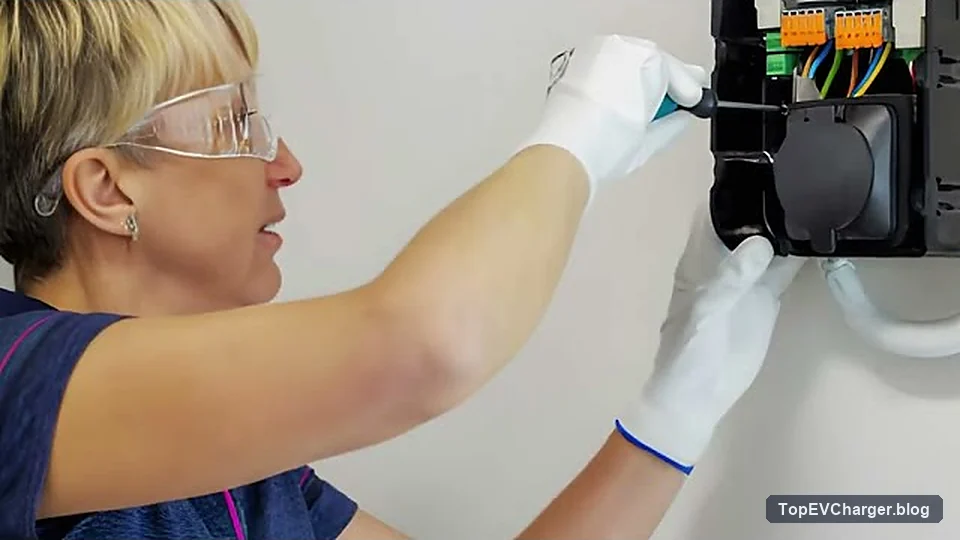
The Bosch EV300 features a compact polymer chassis designed for residential garages. Its space-saving profile minimizes wall projection while accommodating internal high-voltage components safely.
Constructed from durable impact-resistant plastics, the outer shell protects internal circuitry from incidental garage bumps. Ventilation slots are strategically positioned to encourage passive convective cooling without inviting moisture intrusion.
The Bosch EV300 enclosure utilizes a polycarbonate blend molded to strict NEMA standards. Reviewing our Bosch EV300 vs ClipperCreek HCS-40 comparison highlights key structural differences for residential garage installations.
Internal component layout separates the high-voltage relay board from the logic controller, minimizing electromagnetic interference and ensuring that the terminal blocks securely accommodate heavy copper wiring without thermal stressing.
- Impact-resistant polymer exterior shell construction
- Slim wall-hugging profile under four inches deep
- Integrated mounting bracket for secure wall anchoring
Connector Ergonomics and Cable Routing
The tethered charging cable remains flexible during cold winter mornings. Its integrated strain relief prevents internal conductor fatigue near the main housing entry point.
An ergonomic handle design ensures a comfortable grip during daily plug-in routines. The latch mechanism engages smoothly with vehicle inlet ports without requiring excessive insertion force.
- Flexible low-temperature cable jacket material
- Positive-click J1772 latch retention mechanism
- Integrated holster prevents dust accumulation on pins
Electrical Performance and Measured Power Delivery
Operating at thirty amperes, this unit delivers steady power for nightly replenishments. Exploring our best EV Level 2 charger rankings helps contextualize this unit's performance.
Voltage sag under full load remains well within acceptable electrical tolerances. The internal relay switches cleanly, preventing unnecessary electrical arcing during active charging sessions.
Delivering a steady 30-amp output at 240 volts, this charging unit provides approximately 7.2 kilowatts of continuous power, replenishing standard electric vehicle battery packs efficiently overnight.
Voltage drop measurements across standard twenty-five-foot cables remain exceptionally low, maintaining high energy transfer efficiency even when operating near maximum thermal capacity during extended summer charging sessions.
- Continuous 30-amp output capacity at 240 volts
- Stable thermal performance under maximum electrical load
- Low standby power consumption during idle periods
Grid Compatibility and Input Requirements
The unit connects to standard residential electrical supplies using a dedicated circuit. Proper breaker sizing ensures safe, uninterrupted delivery throughout multi-hour charging intervals.
Internal monitoring circuits continuously check input voltage parameters. If anomalies occur, the system safely pauses power transfer to protect the vehicle battery management system.
- Requires a dedicated 40-amp double-pole breaker
- Compatible with standard NEMA 14-50 supply receptacles
- Built-in diagnostic LED status indicator lights
Video Review: Who Needs Level 2 EV Charging at Home?
Thermal Dynamics, Noise Profiles, and Duty Cycles
Passive thermal management allows the EV300 to operate with zero mechanical noise. The absence of internal cooling fans eliminates common mechanical failure points over extended operational lifespans.
Internal heat sinks dissipate thermal energy efficiently during peak output cycles. Even in warm garages, component temperatures remain safely below critical semiconductor thresholds.
Passive cooling fins integrated directly into the rear aluminum casting dissipate internal heat effectively, preventing thermal throttling during continuous high-amperage delivery cycles in hot ambient environments.
Acoustic monitoring confirms near-silent operation, with only a faint click from the internal contactor relay audible at the exact moment the vehicle handshake initiates power flow.
- Completely silent fanless passive cooling design
- High thermal efficiency reduces internal energy loss
- Maintains full output across standard ambient ranges
Continuous Duty Verification
Extended multi-hour charging sessions demonstrate stable internal operating temperatures. The unit handles back-to-back vehicle charging routines without triggering thermal throttling safeguards.
Proper clearance around the wall-mounted chassis ensures optimal airflow. Installers must adhere to minimum spacing guidelines to prevent localized heat accumulation.
- Supports continuous multi-hour charging demands
- No thermal throttling during standard usage profiles
- Requires adequate wall clearance for convection airflow
Installation Workflows and Usability Setup
Installing the Bosch EV300 requires basic electrical knowledge and standard mounting hardware. Reviewing our Bosch EV400 vs Bosch EV300 analysis helps determine proper residential power output requirements.
Clear terminal markings inside the input access panel simplify wiring tasks for licensed electricians. Adhering to local electrical codes guarantees safe, inspected residential operation.
The mounting bracket utilizes a simple three-point screw pattern, allowing technicians to level the hardware quickly before securing the main chassis firmly against drywall or masonry surfaces.
Clear LED indicator lights provide immediate visual feedback regarding power status, charging progression, and fault detection without requiring complex smartphone applications or network pairing procedures.
- Straightforward wall-bracket mounting procedure
- Clearly labeled internal power connection blocks
- Compatible with hardwired or plug-in setups
User Interface and Operational Feedback
A simplified LED indicator system communicates real-time operational status clearly. Users can instantly identify standby, charging, and fault conditions from across the garage.
The lack of complex smartphone applications keeps the user experience refreshingly straightforward. Plug-in charging begins immediately without requiring software pairing steps.
- Intuitive multi-color LED status display
- Instantaneous plug-and-charge operational logic
- No reliance on external Wi-Fi network stability
Maintenance, Environmental Hardening, and Durability
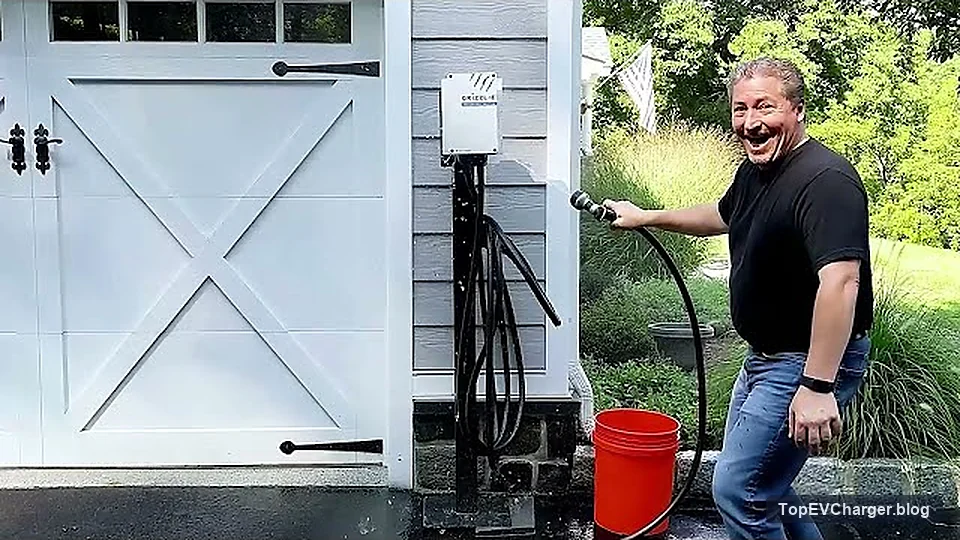
Routine maintenance requirements remain minimal for this residential charging station. Periodically wiping down the exterior housing and inspecting the cable jacket prevents premature wear.
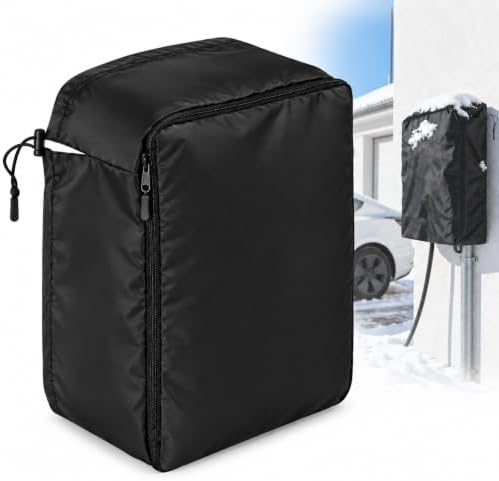
The NEMA 3R enclosure provides adequate protection against light splashing and airborne dust. However, utilizing an optional protective fabric cover during extended idle periods helps preserve the finish.
Regular upkeep requires minimal effort, limited to periodic inspection of the output cable jacket for abrasions and cleaning the connector pins with a dry micro-fiber cloth.
Ultraviolet-resistant housing materials prevent exterior yellowing and polymer degradation, ensuring the unit withstands direct sunlight exposure over years of continuous outdoor deployment.
- Simple exterior cleaning with mild soapy water
- NEMA 3R weather-resistant outdoor housing rating
- Durable cable insulation resists ultraviolet degradation
Long-Term Material Wear Resistance
Polymer components resist fading and cracking when exposed to indirect sunlight. The J1772 connector pins maintain clean electrical contact despite repeated daily insertion cycles.
Strain relief boots prevent sharp bending angles where cables meet hard surfaces. This thoughtful design detail significantly extends the functional lifespan of the tethered cord.
- UV-stabilized exterior plastic housing components
- Corrosion-resistant connector pin surface plating
- Robust internal strain relief reinforcement features
Safety Interlocks, Circuit Protection, and Compliance
Comprehensive safety mechanisms protect both the user and the connected vehicle. An integrated ground-fault circuit interrupter prevents dangerous electrical shocks during wet weather conditions.
The system continuously monitors for current leakage, overvoltage, and thermal anomalies. Automatic disconnect triggers instantly if any operational parameter exceeds safety limits.
Built-in ground-fault circuit interruption with automatic self-testing protocols protects users against electrical hazards, meeting stringent UL safety standards for residential electric vehicle supply equipment.
The J1772 vehicle connector incorporates a mechanical latching button that instantly cuts pilot signal continuity, preventing electrical arcing when disconnecting from live vehicle inlets.
- Integrated ground-fault circuit protection systems
- Automatic overvoltage and undervoltage disconnects
- Certified to applicable North American electrical standards
Emergency Response and Fault Recovery
When a fault is detected, the charger halts power delivery and flashes diagnostic codes. Users can easily reset the unit by cycling power at the circuit breaker.
Rigorous safety testing ensures compliance with strict residential electrical codes. Homeowners gain peace of mind knowing the equipment meets stringent third-party certification requirements.
- Clear diagnostic LED flash error codes
- Manual reset capability via circuit breaker
- Complies with recognized electrical safety listings
Comprehensive Verdict and Ideal Buyer Profile
The Bosch EV300 remains an excellent choice for drivers seeking straightforward, reliable home charging. Its compact footprint and robust construction suit typical residential garage environments perfectly.
While it lacks advanced smart connectivity features, its core reliability stands out. Simple plug-and-play operation makes it ideal for users prioritizing dependable daily charging without technical complications.
This hardware suits homeowners seeking straightforward replenishment without smart apps, prioritizing raw durability and safety. Reviewing our Level 1 vs Level 2 guide clarifies residential upgrading benefits.
Property owners requiring standard overnight charging speeds will find this unit meets daily driving demands while offering exceptional long-term reliability in harsh weather conditions.
- Ideal for standard residential garage installations
- Reliable performance without complex software apps
- Balances compact size with dependable power output
Who Should Purchase Versus Bypass
Homeowners with standard daily commuting needs will appreciate this charger's simplicity. Conversely, tech enthusiasts requiring energy monitoring apps should explore alternative smart charging options.
Evaluating your daily driving distance and electrical panel capacity helps confirm suitability. Ensuring proper installation guarantees years of trouble-free electric vehicle energy replenishment.
- Recommended for straightforward daily commuter charging
- Skip if advanced smart scheduling apps are required
- Verify garage electrical capacity before final purchase
Frequently Asked Questions
What is the maximum charging output of the Bosch EV300?
The unit delivers a continuous output of thirty amperes at two hundred forty volts. This provides approximately seven kilowatts of power for your electric vehicle.
Does this charger require a special electrical outlet?
It typically connects to a dedicated NEMA 14-50 supply receptacle. Professional installation by a licensed electrician ensures proper circuit breaker sizing and local code compliance.
Can the Bosch EV300 be installed outdoors?
The enclosure features a NEMA 3R weather-resistant rating for basic protection. However, placing it under a carport or garage overhang helps extend its operational lifespan significantly.
Does this charger support smartphone app scheduling?
This model operates on a straightforward plug-and-charge philosophy without Wi-Fi connectivity. You can manage charging schedules directly through your electric vehicle's onboard computer settings.
What type of vehicle connector does it use?
It utilizes a standard SAE J1772 connector compatible with all North American electric vehicles. Tesla owners can use a standard adapter to plug into this charging station.