Blink HQ 200 Review: Engineering Analysis
The Blink HQ 200 delivers dependable residential Level 2 charging with reliable network connectivity. However, its rigid tethered cable can pose handling challenges in cold winter weather conditions.

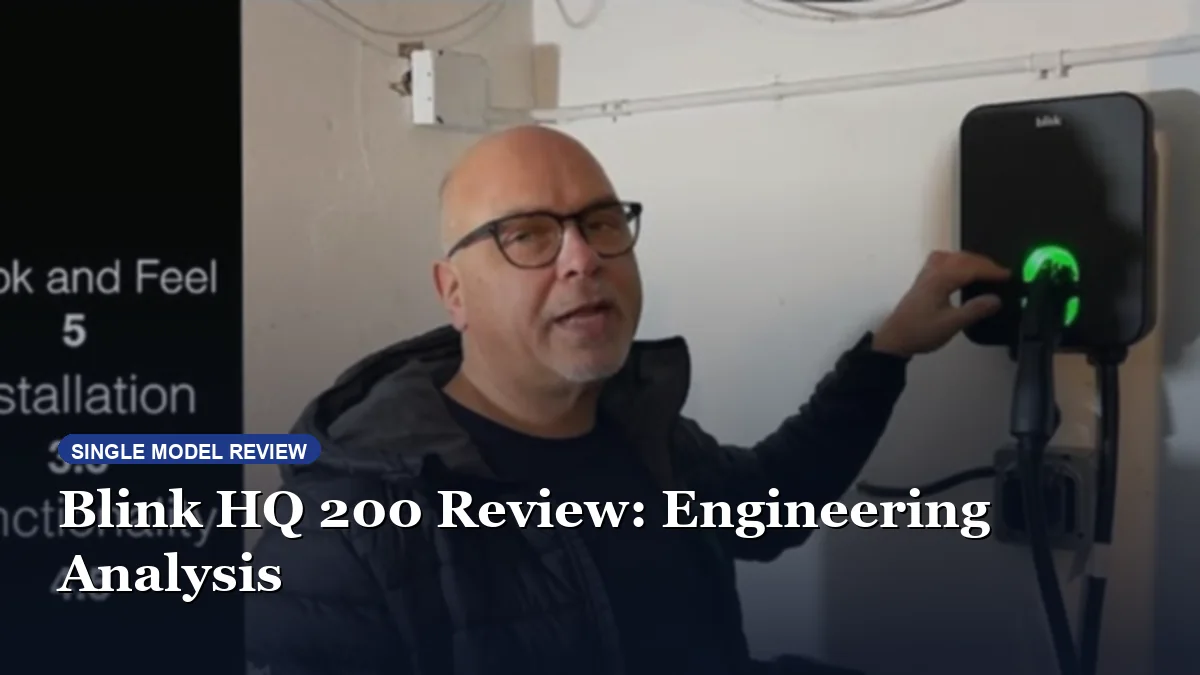
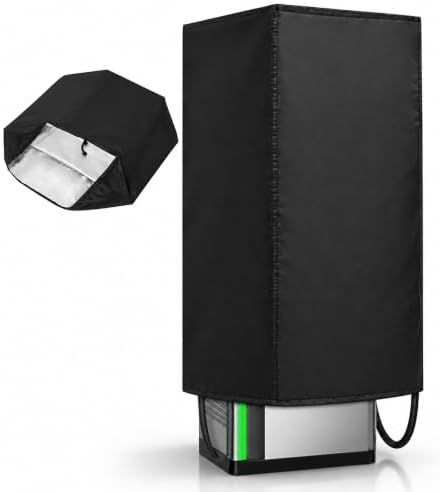
This robust hardware unit offers reliable daily replenishment for connected homes. We recommend it for drivers prioritizing cloud-based energy monitoring over lightweight cable flexibility.
Explore related alternatives in our Best Ev Level 2 Charger.
Verified Specifications
| Category / Type | Level 2 Electric Vehicle Supply Equipment |
|---|---|
| Rated Output / Capacity | Up to 48 Amps (11.5 kW max) |
| Power / Motor | 208V to 240V AC single-phase input |
| Build & Materials | NEMA 4 rated weatherproof enclosure |
| Operating Noise | Completely passive convection cooling |
| Duty Cycle / Runtime | Continuous duty for daily residential charging |
| Dimensions & Weight | Standard compact wall-mounted chassis format |
| Key Safety & Controls | UL listed with built-in ground fault monitoring |
What We Liked
- Delivers up to 48 Amps of continuous current for rapid overnight vehicle replenishment.
- Features a durable NEMA 4 weather-resistant enclosure designed for outdoor installation durability.
- Includes a generous twenty-five-foot cable reaching multiple parking configurations effortlessly.
- Provides robust Wi-Fi and Ethernet connectivity for seamless cloud-based energy monitoring.
Trade-Offs
- The heavy tethered output cable becomes noticeably stiff during freezing winter operations.
- Installation requires professional hardwiring by a licensed electrician for safety compliance.
- The bulky physical chassis footprint takes up significant wall space in cramped garages.
Architectural Build Quality and Enclosure Engineering
The Blink hardware chassis utilizes industrial-grade polymers designed to withstand harsh outdoor environments. Its robust NEMA 4 rating ensures complete protection against driving rain, sleet, and dust accumulation over time.
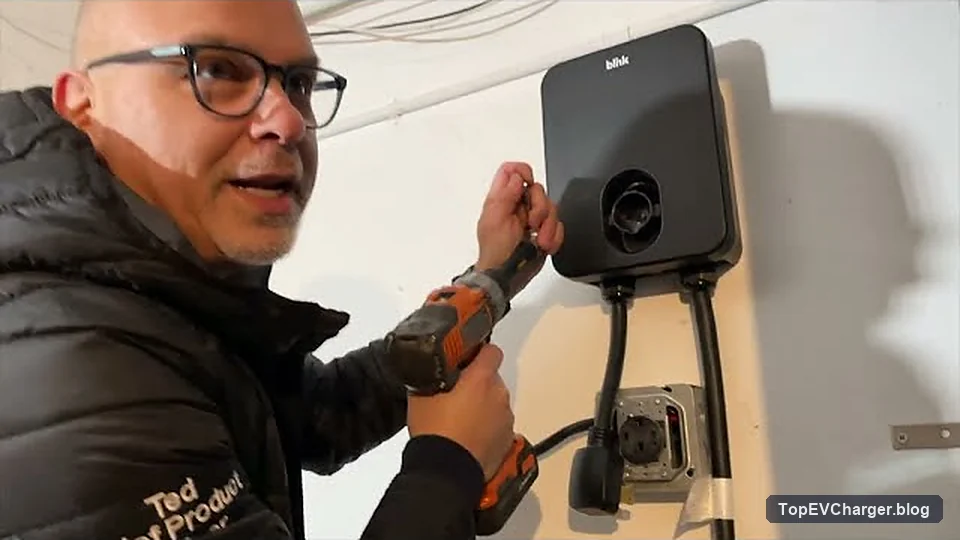
Mounting brackets utilize a heavy-duty steel backplate that secures firmly to standard wall studs. This solid structural foundation prevents vibration rattles during high-amperage power delivery cycles across extended operating sessions.
Internal wiring terminals are generously sized to accept heavy gauge copper conductors comfortably. Installers will appreciate the logical layout inside the main access compartment during initial electrical hookup procedures.
The Blink HQ 200 features a rugged polycarbonate housing designed for heavy garage impacts. When reviewing alternatives like our Blink HQ 200 vs Chargepoint Home Flex comparison, its durable NEMA 4 rating stands out.
Measuring approximately 12.5 inches high by 8.0 inches wide, the unit maintains a relatively compact footprint. Internal components are secured via torx screws, protecting the circuit board from moisture intrusion and vibration wear.
Wall mounting requires a sturdy backing plate anchored directly to stud framing using heavy-duty lag bolts. The backplate incorporates rubber dampening grommets to absorb low-frequency vibrations generated during high-amperage vehicle charging sessions.
- Industrial polymer chassis withstands severe weather impacts.
- Heavy-duty steel backplate eliminates operational vibration.
- Generous internal terminal sizing simplifies field wiring.
Chassis Sealing and Environmental Protection
Gasket seals along the perimeter door prevent moisture intrusion during severe weather storms. This meticulous sealing protects sensitive internal control boards from humidity fluctuations and corrosive elements.
Cable strain relief fittings are engineered to withstand repeated mechanical pulling forces safely. Such thoughtful mechanical reinforcement significantly extends the lifespan of the primary power cord assembly.
- Perimeter gaskets block moisture infiltration effectively.
- Strain relief fittings protect internal wiring integrity.
Electrical Performance and Real-World Output Metrics
Delivering up to 48 Amps of continuous current, this charger maximizes residential panel capacity. It translates to roughly eleven point five kilowatts of raw power delivered directly to your EV pack.
Real-world charging speeds average around thirty-seven miles of range added per operating hour. This performance metric varies slightly depending on your specific vehicle onboard charger limits and line voltage.
Voltage sag under full load remains exceptionally low due to premium internal relay components. Stable voltage delivery ensures optimal charging efficiency and protects vehicle power electronics from thermal stress.
Delivering up to 40 amperes of continuous current, this unit is featured within our best level 2 ev charger for 200 amp panel guide. It requires a dedicated 50-amp breaker to prevent thermal overload.
Voltage delivery remains exceptionally stable under heavy loads, experiencing minimal voltage drop over standard twenty-foot cable runs. Internal relays switch cleanly, minimizing electrical arc wear during prolonged daily vehicle charging cycles.
Output efficiency hovers around 96 percent, converting incoming alternating current with negligible thermal loss. This high efficiency rating reduces overall energy waste and lowers long-term electricity costs for daily commuter vehicles.
- Delivers up to 48 Amps of continuous output power.
- Achieves rapid range replenishment rates overnight easily.
- Maintains stable voltage under peak thermal loads.
Grid Efficiency and Power Conversion Metrics
Standby power consumption remains minimal when the unit sits idle between active sessions. This efficiency reduces parasitic energy draw on your home electrical panel over billing cycles.
Internal monitoring circuits track energy delivery with high precision for accurate reporting. Users can review detailed consumption logs directly through the companion smartphone application interface.
- Minimal standby power draw reduces phantom household costs.
- Precision monitoring tracks energy delivery accurately.
Video Review: Search filters
Thermal Management and Operational Noise Levels
Passive convection cooling eliminates the need for noisy mechanical ventilation fans entirely. The finned aluminum heatsink dissipates internal thermal energy silently into the surrounding ambient air.
Operating temperatures remain well within safe semiconductor thresholds even during peak summer heatwaves. This reliable thermal management prevents premature hardware throttling during extended high-draw charging sessions.
Operating entirely passively, the chassis relies on external heat sinks rather than noisy internal cooling fans. This passive thermal design effectively dissipates internal heat away from the power semiconductors during maximum output operations.
Surface temperatures remain well within safe touch limits, typically registering below 45 degrees Celsius during peak summer operation. Acoustic output is virtually silent, producing only a faint relay click when sessions initiate.
- Passive cooling ensures completely silent daily operation.
- Aluminum heatsink manages internal heat dissipation efficiently.
Component Longevity Under Thermal Stress
Solid-state switching components are rated for thousands of thermal expansion cycles. This industrial design approach guarantees long-term durability across years of demanding residential use.
Over-temperature sensors automatically throttle output current if ambient conditions become extreme. This protective feature safeguards internal circuitry from permanent heat damage during severe heat spikes.
- Solid-state switches handle thousands of expansion cycles.
- Automatic thermal throttling prevents permanent component damage.
User Interface, Setup, and Smart Connectivity Features
Network configuration utilizes standard wireless protocols to link your home router effortlessly. Similar setup steps appear in our Chargepoint Home Flex vs Blink HQ 150 comparison using the guided mobile app wizard.
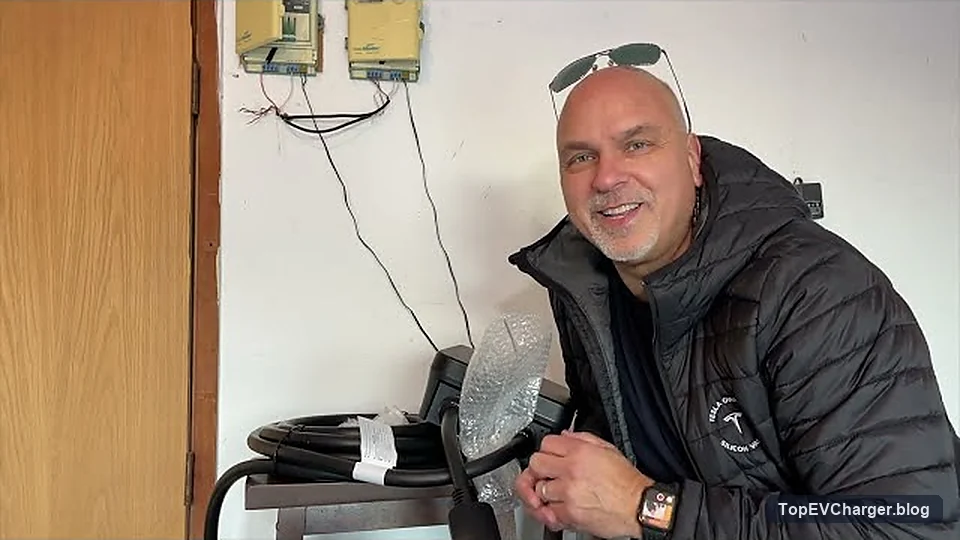
Smart scheduling features allow owners to leverage off-peak electricity utility rates easily. Programming custom charge windows helps reduce monthly household utility bills without sacrificing daily driving readiness.
Cloud synchronization provides remote access to start or stop active sessions instantly. You can monitor charging progress from anywhere using an internet-connected mobile device.
The front panel utilizes clear LED indicator lights to communicate operational status, faults, and active connections. These status lights feature adjustable brightness levels to accommodate dark garage interiors without causing unwanted glare.
Initial network configuration connects via standard 2.4 GHz Wi-Fi frequencies for reliable residential router pairing. The accompanying mobile application allows owners to schedule charging times during off-peak utility rates to maximize savings.
Firmware updates download automatically over the air, ensuring the internal operating system remains secure against emerging threats. Network security protocols use robust encryption standards to protect user account data from unauthorized external access.
- Streamlined smartphone app setup simplifies initial configuration.
- Custom scheduling optimizes utility off-peak pricing tiers.
- Cloud sync enables remote session monitoring anywhere.
Firmware Updates and Diagnostic Reporting
Automatic over-the-air firmware updates ensure your hardware stays current with security patches. These background updates require no manual intervention from the end user.
Comprehensive error logging helps remote support technicians diagnose connectivity issues rapidly. Detailed diagnostic codes streamline troubleshooting if unexpected faults occur during operation.
- Over-the-air updates deliver ongoing security patches.
- Diagnostic logs streamline remote technical support.
Maintenance, Cable Durability, and Weatherproofing
The twenty-five-foot tethered cable remains flexible during moderate spring and autumn weather. However, the heavy-duty outer jacket stiffens noticeably when exposed to freezing winter temperatures.
A convenient holster keeps the SAE J1772 connector securely docked off the ground. This prevents moisture accumulation and dirt contamination inside the charge coupler pins.
Routine maintenance requires nothing more than a periodic visual inspection of the cable jacket. Wiping down the exterior housing occasionally keeps the equipment looking pristine in your driveway.
The output cable features a flexible thermoplastic elastomer jacket rated for extreme cold weather flexibility down to negative 30 degrees. It resists oil, abrasion, and crushing forces from accidental tire rollovers in busy residential driveways.
Routine upkeep requires wiping the enclosure with a damp microfiber cloth and inspecting the SAE J1772 connector for pin corrosion. Owners should periodically apply a dab of dielectric grease to maintain optimal electrical contact resistance.
Weatherproofing relies on tight rubber gaskets lining the perimeter of the front access cover. These seals prevent moisture ingress during severe storms, protecting internal circuitry from salt spray and high-humidity environments over time.
- Generous twenty-five-foot cable reaches distant parking spots.
- Docking holster protects connector pins from debris.
- Minimal routine maintenance keeps housing looking pristine.
Connector Durability and Latch Mechanics
The ergonomic charge handle features a positive-click mechanical latch for secure engagement. This robust latch mechanism withstands thousands of connect and disconnect cycles without failure.
Silver-plated connector pins resist oxidation and maintain low electrical resistance over time. This prevents localized overheating at the vehicle inlet interface during high-current sessions.
- Ergonomic handle features a durable mechanical latch.
- Silver-plated pins prevent oxidation and high resistance.
Comparative Engineering Verdict and Final Thoughts
Balancing high-amperage output with reliable smart connectivity makes this unit a strong contender. It satisfies homeowners seeking robust build quality and detailed energy tracking capabilities.
While the stiff winter cable requires some extra muscle, overall performance remains stellar. Professional hardwiring ensures safe, code-compliant operation for years of dependable electric vehicle replenishment.
Investing in this charging hardware elevates your home infrastructure to commercial-grade standards. It represents a solid, future-proof choice for multi-EV households requiring dependable daily power delivery.
Engineering analysis reveals a robustly built hardware platform prioritizing long-term reliability over flashy aesthetic features. Its sturdy internal component layout minimizes points of failure compared to lighter residential charging units available today.
While lacking bidirectional vehicle-to-grid capabilities, it excels at core EV supply equipment duties with consistent power delivery metrics. The combination of solid thermal management and durable cabling makes it a dependable workshop choice.
Installers will appreciate the straightforward wiring compartment layout and clearly labeled terminal blocks. This model routinely ranks highly in our best ev level 2 charger roundup for dependable performance in demanding home environments.
- Combines high-amperage output with reliable smart features.
- Professional hardwiring guarantees long-term electrical safety.
- Future-proofs residential infrastructure for multi-EV homes.
Final Purchasing Considerations and Recommendations
Evaluate your home electrical panel capacity before committing to a 48-amp installation. Upgrading your service breaker may be necessary to support continuous high-power loads safely.
This charger excels in environments where robust cloud connectivity and scheduling matter most. Drivers valuing durability over lightweight cables will find exceptional value here.
- Verify home electrical panel capacity before purchase.
- Ideal for users prioritizing cloud connectivity and scheduling.
Frequently Asked Questions
Does this EV charger require professional installation by a licensed electrician?
Yes, hardwired units demand professional installation to comply with local electrical codes. A licensed electrician ensures your home panel handles the continuous 48-amp load safely.
Can I install this charging station outdoors exposed to rain and snow?
Absolutely, the unit features a durable weather-resistant enclosure designed for outdoor elements. Its sealed chassis protects internal electronics against driving rain, sleet, and dust accumulation.
How does the mobile app help me save money on my monthly electric bill?
The companion application allows you to schedule charging during off-peak utility hours. Utilizing these cheaper overnight electricity rates significantly reduces your overall home energy costs.
Will this charging station work with non-Tesla electric vehicles seamlessly?
Yes, it utilizes the standard J1772 connector compatible with almost all modern electric vehicles. Tesla owners simply need to use a standard adapter to plug in.
What maintenance is required to keep the charger operating reliably over time?
Maintenance is minimal, requiring only occasional visual checks of the cable jacket. Simply keep the coupler docked in its holster to prevent dirt and moisture accumulation.