Winterizing Outdoor Level 2 Ev Charging Station Guide
Protect your permanent outdoor electrical equipment from freezing temperatures and moisture accumulation. Proper seasonal maintenance ensures reliable daily performance all winter long without sudden faults.

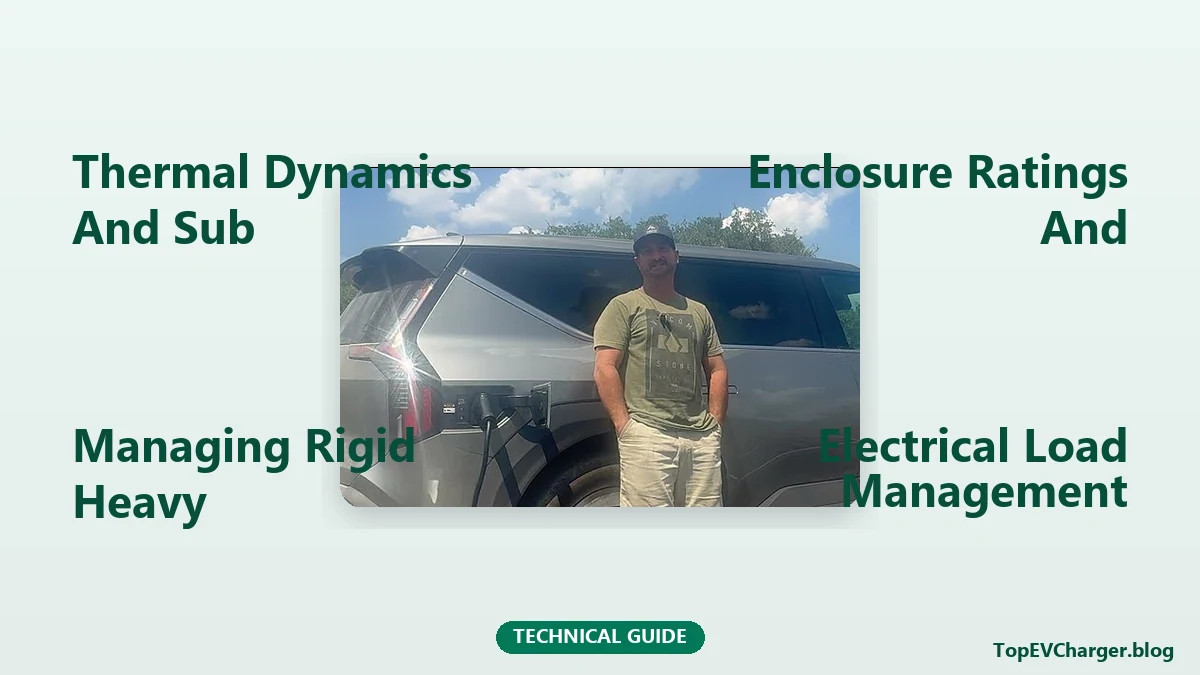
Effective winter maintenance prevents moisture ingress and cable stiffness by utilizing proper holsters and protective enclosures built specifically for sub-freezing regional climates.
Looking for matching picks? See our Best Level 2 Ev Charger For Outdoor Use.
Practical Quick-Reference Table
| Scenario / Metric | Recommended Target | Why It Matters |
|---|---|---|
| Enclosure Rating | NEMA 4 or IP65+ | Blocks wind-driven snow and freezing rain effectively. |
| Operating Temperature | -30°F to 122°F | Ensures internal relays function without thermal lockouts. |
| Cable Flexibility | TPE or Rubber Jacket | Prevents severe cracking during sub-zero coiling tasks. |
| Mounting Height | 48 inches to Grade | Keeps connectors safely above typical snow accumulations. |
| Conduit Seal | RTV Silicone / Gasket | Stops water vapor from migrating into wall studs. |
| Current Limit | Match Breaker Rating | Prevents nuisance trips during heavy heating loads. |
Thermal Dynamics and Sub-Freezing Performance Realities
Sub-zero temperatures significantly alter how external charging hardware operates daily. Internal electronic components experience thermal contraction while rubberized exterior insulation loses its natural flexibility over time.
Lithium-ion battery packs require internal thermal management before accepting high current. Your charger communicates with the vehicle to limit current until cells reach safe operating temperatures.
Modern units utilizing conformal coatings resist internal condensation. When evaluating power speeds through level 1 vs level 2 charging, remember that severe thermal cycling can still create micro-fissures in vulnerable enclosure seams.
Assessing your installation site helps mitigate severe wind chill effects. Positioning units away from prevailing winter storm directions reduces ice buildup on housing faces and connector pins.
- Monitor local forecasts before initiating overnight high-amp charging sessions.
- Verify that internal thermal sensors operate correctly within specified tolerances.
- Keep ventilation clearances clear of drifting snow and ice packs.
- Inspect thermoplastic housing exteriors for hairline thermal stress fractures.
Cold Weather Chemical Limitations
Electrolyte viscosity increases dramatically when ambient mercury drops below zero. This chemical slowdown restricts rapid ion transfer during the initial minutes of active grid delivery.
- Allow extra time for onboard thermal systems to warm battery packs.
- Expect lower initial kW transfer rates until cells normalize thermally.
Enclosure Ratings and Moisture Barrier Integrity Outdoors
External electrical installations demand strict adherence to environmental protection standards. NEMA 4 or IP65 ratings represent the absolute minimum baseline for surviving severe winter storms.
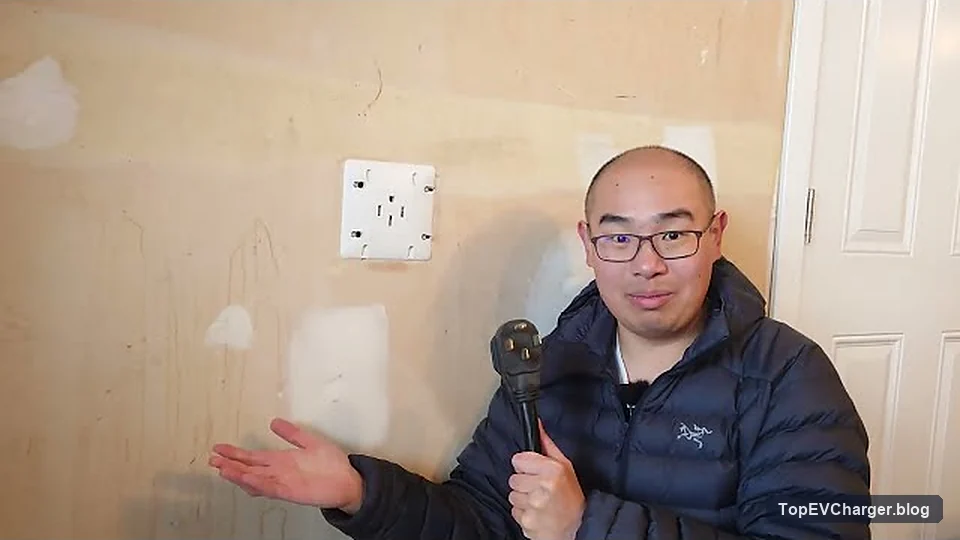
Wind-driven snow creates unique intrusion risks compared to standard rainfall. Fine powder can bypass loose seals if gaskets degrade or lack sufficient compression force.
Routine gasket inspection prevents catastrophic short circuits inside the main housing unit. Silicone seals harden in freezing weather, losing the elasticity needed to maintain a tight seal.
Applying a thin layer of dielectric grease preserves rubber gasket pliability. This simple step stops moisture from penetrating housing seams during rapid freeze-thaw cycles.
- Inspect all rubber door seals for cracks, splits, or permanent compression.
- Ensure latches close tightly to compress internal weather-stripping uniformly.
- Check bottom drain plugs to prevent trapped condensation from freezing solid.
- Avoid using petroleum-based lubricants that degrade synthetic enclosure gaskets.
Evaluating Gasket Compression Force
Uneven hinge tension can create microscopic gaps along enclosure doors. Test latch resistance regularly to ensure complete sealing pressure across all four perimeter edges.
- Adjust hinge screws if door alignment shifts during seasonal freezes.
- Replace warped housing covers immediately to maintain weather resistance.
Video Walkthrough: Who Needs Level 2 EV Charging at Home?
Managing Rigid Heavy-Gauge Cables in Sub-Zero Climates
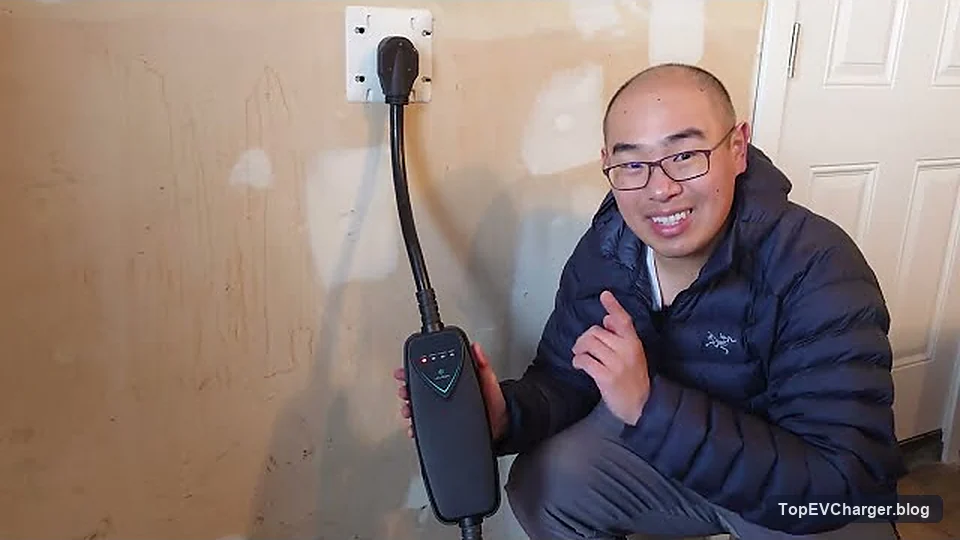
Thick copper conductors and outer jackets stiffen significantly in freezing weather. Forcing rigid cables into tight coils creates internal mechanical stress that damages strands.
Thermoplastic elastomer jackets resist cold-induced rigidity much better than standard PVC. Selecting cables rated for extreme low temperatures prevents cracking during everyday handling.
Never yank or pull frozen cables across abrasive concrete surfaces. Sharp ice edges can slice through outer protective layers, exposing live internal copper conductors.
Allow cords to hang naturally in loops rather than bending them sharply. Understanding level 2 vs dc fast charging setups helps preserve vital conductor integrity and prevents permanent memory kinks during freezing winter operations.
- Store charging connectors in dedicated wall holsters away from puddles.
- Avoid bending thick feeder cables past their specified minimum radius.
- Clear accumulated ice from cable wraps before attempting to unwind them.
- Inspect outer jackets for splits or exposed shielding before every use.
Preventing Strain on Strain Relief Collars
Heavy snow loads placed directly on dangling cables weaken internal strain relief points. Support the cord weight properly using wall hooks or designated cable management docks.
- Mount docking holsters at a comfortable waist-level ergonomic height.
- Secure excess cable length cleanly to prevent accidental tripping hazards.
Electrical Load Management During Peak Winter Heating
Winter heating demands strain residential electrical panels significantly. Running high loads requires careful planning using our ev charger sizing calculator to prevent electric space heaters from tripping main breakers.
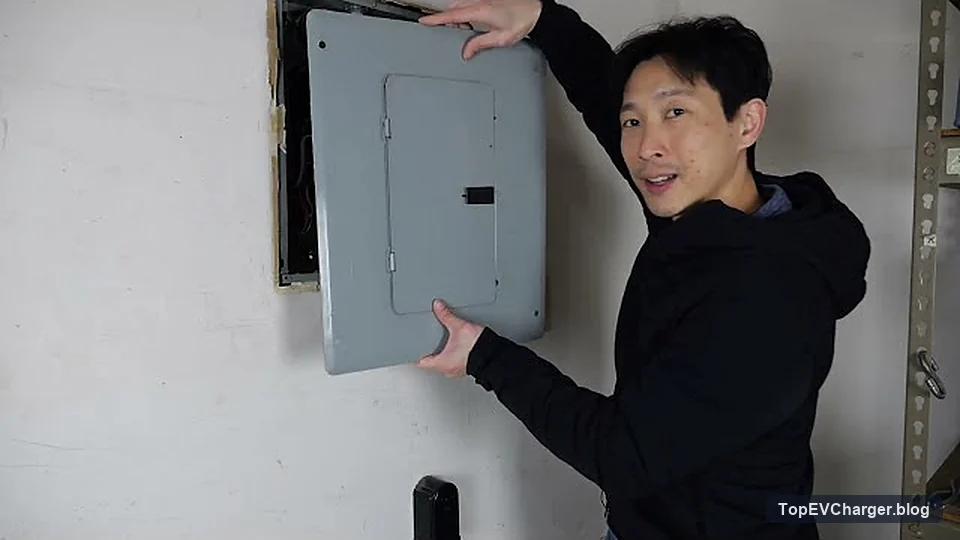
Smart charging units allow users to schedule sessions during off-peak hours. This feature avoids simultaneous grid loads while taking advantage of lower overnight utility rates.
Hardwired installations require secure terminal torque checks before winter arrives. Thermal expansion and contraction can loosen lug screws over months of heavy electrical usage.
Consult a licensed electrician if your breaker panel shows signs of thermal fatigue. Upgrading aging breakers prevents nuisance trips during simultaneous home heating cycles.
- Calculate total household electrical load with winter heating appliances active.
- Program charging windows to avoid peak local utility demand hours.
- Verify terminal screw torque inside the charger and sub-panel enclosures.
- Monitor circuit breaker temperatures periodically during maximum amperage output.
Verifying Panel Thermal Margins
Overloaded breaker panels pose serious fire hazards during cold weather spikes. Ensure your service panel has adequate amperage capacity for continuous winter charging loads.
- Check for flickering lights or buzzing sounds near the breaker box.
- Hire a professional to perform thermal imaging scans on main breakers.
Protecting Permanent Mounting Hardware and Conduit Seals
Exterior mounting brackets endure heavy mechanical loads from wind and ice. Stainless steel fasteners prevent rust staining and structural failure on exterior walls.
Conduit entries represent a primary entry point for freezing water migration. Sealing bottom entry points with exterior-grade silicone stops moisture from tracking indoors.
Ground fault circuit interrupter devices must be tested monthly in winter. Cold moisture can trick internal sensors, making routine safety verifications absolutely vital.
Anchor bolts secured into masonry require corrosion-resistant sleeves. Temperature drops cause masonry to contract, potentially loosening standard plastic wall anchors over time.
- Use stainless steel screws and bolts for all exterior mounting points.
- Seal conduit fittings thoroughly with approved exterior-grade duct seal.
- Test built-in GFCI safety mechanisms using the manual test button.
- Check mounting bracket stability after major wind or ice storms.
Mitigating Frost Heave on Pedestal Mounts
Freezing soil expansion can tilt freestanding metal pedestals out of alignment. Deep concrete footings installed below the local frost line prevent seasonal shifting.
- Pour concrete footings deeper than the local maximum frost depth.
- Inspect pedestal base plates for level alignment after heavy freezes.
Video Walkthrough: All About Level 2 Charging
Preconditioning Strategies to Optimize Battery Efficiency
Warming your vehicle battery before departure preserves driving range significantly. Using grid electricity for preconditioning keeps energy inside the pack for actual travel.
Initiating climate control while plugged in reduces sudden battery drain. This practice prevents the vehicle from drawing heavy current from a cold, stiff charging cable.
Scheduled departure timers coordinate charging completion right before you leave. This keeps the battery pack naturally warm from internal resistance during energy transfer.
Avoid high-power fast charging immediately after leaving a freezing parking spot. Choosing a reliable best level 2 home charging station provides gentler daily energy transfer on sensitive cold battery chemistry.
- Set vehicle departure timers through mobile applications consistently.
- Precondition cabin climate while connected to the home wall unit.
- Rely on Level 2 overnight charging for balanced thermal management.
- Minimize immediate high-speed driving directly after unplugging in winter.
Balancing Grid Draw with Home Heating
Simultaneous preconditioning and home heating can strain branch circuits. Stagger your heavy electrical loads to prevent breaker trips on cold winter mornings.
- Review vehicle app settings to limit maximum current draw.
- Use delayed charging features to manage total household power.
Emergency Troubleshooting When Ice Blocks Connections
Ice accumulation inside charge ports prevents proper connector latching. Never force a frozen connector into a vehicle inlet because delicate pins can bend.
Gently apply warm air using a household hair dryer if ice forms. Avoid open flames, boiling water, or metal scrapers that damage plastic housing components.
Verify that vehicle charge port doors close completely after disconnecting. Trapped moisture can freeze shut, blocking subsequent plug insertions the next day.
Keep a can of approved electrical contact cleaner and a soft brush handy. Cleaning debris and moisture from connector pins ensures reliable handshake signals.
- Never pour hot water onto frozen charge ports or connectors.
- Use a low-heat hair dryer to thaw stubborn ice blockages safely.
- Clear loose snow from the vehicle inlet before inserting plugs.
- Store protective dust caps securely during active charging sessions.
Handling Stuck Release Latches
Mechanical release buttons can freeze in the depressed position. Allow the assembly to warm slightly before attempting to disconnect the plug from the vehicle.
- Check thumb latches for smooth mechanical movement before inserting.
- Apply approved silicone lubricant to pivot pins before freezing weather.
Frequently Asked Questions
Is it safe to charge my electric vehicle outdoors during a heavy snowstorm?
Yes, outdoor charging units feature weatherproof enclosures designed to handle heavy precipitation safely. Ensure connections are free of packed snow before plugging in.
What should I do if the charging cable becomes frozen stiff to the ground?
Gently pour room-temperature water over the base or use a hair dryer to thaw it. Never pull forcefully or scrape with metal tools to avoid jacket damage.
Why does my charging speed drop significantly during freezing winter weather?
Vehicles automatically limit current to warm up cold battery cells safely. Thermal management systems prioritize battery health over maximum initial charging speeds.
How can I prevent moisture from entering outdoor electrical conduit lines?
Seal all conduit fittings and entry points thoroughly using exterior-grade RTV silicone. This stops humid air from migrating into warmer indoor wall cavities.
Should I keep my charging cable plugged into the vehicle when not actively charging?
No, leaving the connector plugged in can trap moisture inside the port seals. Always store the plug securely in your wall-mounted holster when finished.