What Size Breaker For 16 Amp Ev Charger Sizing Guide
Determining the correct overcurrent protection prevents thermal overload. Follow National Electrical Code standards for safe residential charging.

A sixteen-amp continuous load requires a twenty-amp dedicated breaker. Always apply the one hundred twenty-five percent rule for continuous electrical equipment safety.
Looking for matching picks? See our Best 32 Amp Ev Charger.
Practical Quick-Reference Table
| Scenario / Metric | Recommended Target | Why It Matters |
|---|---|---|
| Continuous Draw | 16 Amps | Defines baseline sizing. |
| Breaker Rating | 20 Amps | Applies 125 percent rule. |
| Minimum Copper Wire | 12 AWG | Handles thermal limits. |
| Voltage Drop Max | Under 3 Percent | Ensures efficiency. |
| Ground Fault Protection | Type A or F RCD | Prevents shock hazards. |
| Torque Standard | Manufacturer Specs | Prevents loose connections. |
Core Sizing Fundamentals And The Continuous Load Rule
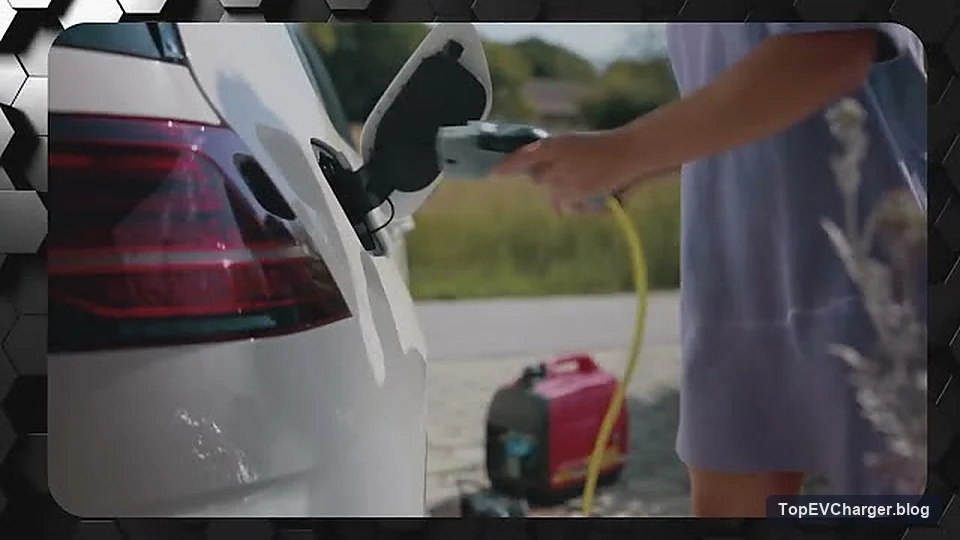
Electric vehicle supply equipment operates as a continuous load. The National Electrical Code mandates that conductors and circuit breakers handle one hundred twenty-five percent of the total nameplate rating.
Multiplying sixteen amperes by one point two five yields twenty amperes. Therefore, a twenty-amp double-pole breaker serves as the precise legal and engineering requirement for this setup.
Undersized breakers cause nuisance tripping during normal charging cycles. Overheated thermal components inside the breaker housing can degrade prematurely and create serious household fire hazards over time.
Dedicated circuits are mandatory for all residential charging installations. Sharing a breaker with household receptacles violates code and risks severe electrical overloads during peak usage periods.
Selecting the right circuit breaker for a sixteen amp EV charger requires strict continuous load calculations. Always verify your setup using our best level 2 ev charger for 200 amp panel guide.
For a continuous load of sixteen amps, you multiply by 1.25 to reach twenty amps of required circuit capacity. This safety factor prevents excessive heat buildup during multi-hour charging sessions in residential garages.
Installing an undersized breaker creates severe fire hazards and constant nuisance tripping. Your thermal-magnetic breaker must tolerate sustained current flow without degrading internal bimetallic strips or weakening terminal spring tension.
Always verify equipment nameplate specifications before purchasing electrical supplies. Level 2 chargers drawing sixteen amps typically require a dedicated twenty-amp double-pole breaker operating on a two hundred forty-volt supply line.
- Always verify charger nameplate amperage before purchasing breakers.
- Never exceed rated capacity on residential branch circuits.
- Install dedicated double-pole breakers for two-hundred-forty-volt units.
- Consult local municipal amendments alongside national code guidelines.
- Always apply the 125 percent continuous load multiplier.
- Verify dual-pole breaker compatibility with your specific panel.
Understanding Continuous Load Mathematics
Continuous loads run for three hours or longer without interruption. Electrical components experience sustained thermal stress during these prolonged operational windows requiring robust thermal margins.
Engineering formulas account for ambient temperature spikes inside enclosed service panels. Proper calculations prevent premature breaker fatigue and ensure reliable daily vehicle energy transfer.
- Calculate continuous loads at 125 percent minimum.
- Factor ambient panel temperatures into design choices.
Continuous Duty Verification
Circuit breakers operating continuously for over three hours must handle sustained thermal expansion safely. Choosing certified industrial grade hardware prevents premature mechanical fatigue inside crowded residential panels.
- Check nameplate continuous ratings carefully.
- Avoid standard switching breakers lacking thermal listings.
Calculating Conductor Gauge And Voltage Drop Limits
Selecting proper copper wire gauge prevents excessive resistance heating. For a twenty-amp circuit, twelve gauge copper wire represents the absolute minimum standard acceptable under modern electrical codes.
Longer wire runs experience higher voltage drop across the conductors. Upgrading to ten gauge copper wire for runs exceeding fifty feet minimizes energy loss and protects equipment.
Aluminum wiring requires distinct sizing adjustments due to higher electrical resistance. You can determine exact requirements using our ev charger sizing calculator before purchasing copper conductors for your setup.
Conduit fill capacity limits how many conductors share a single raceway. Ensure proper conduit diameter to prevent insulation damage during heavy wire pulling procedures inside walls.
Copper wire sizing depends on the total run length between your main service panel and the EV charger. Voltage drop should remain under three percent to ensure optimal charging efficiency and prevent energy waste.
For a twenty-amp circuit spanning under fifty feet, twelve gauge solid copper wire is standard. Longer cable runs exceeding fifty feet require upgrading to ten gauge conductors to compensate for electrical resistance.
Aluminum wiring is rarely recommended for low-amperage residential EV circuits due to thermal expansion properties. Stick to high-purity copper conductors fitted with anti-oxidant paste at all terminal connection points.
Conduit fill capacity and ambient temperature ratings also dictate your final wire selection. Running cables through unconditioned attics or exterior walls necessitates applying proper temperature correction factors to amperage charts.
- Use 12 AWG copper for standard twenty-amp short runs.
- Upgrade to 10 AWG copper for long distance runs.
- Avoid mixing dissimilar metals at terminal connection points.
- Maintain conduit fill limits per current electrical codes.
Video Walkthrough: How Many Amps Do You Need For Home EV Charging?
National Electrical Code Mandates For Ground Fault Protection
Modern electrical codes strictly enforce ground fault circuit interrupter protection. Outdoor and indoor residential EV chargers require rapid fault detection to safeguard users from dangerous electrical shocks.
GFCI breakers monitor current balance between hot and neutral conductors. Any imbalance exceeding safety thresholds trips the breaker within milliseconds preventing severe personal injury or electrocution.
Some modern charging units feature internal monitoring devices. However, code enforcement agencies often mandate a GFCI circuit breaker installed directly inside the main electrical service panel.
Nuisance tripping can occur if downstream wiring suffers minor moisture intrusion. Regular inspections of outdoor weatherproof enclosures prevent environmental corrosion and eliminate recurring electrical faults.
Modern electrical codes enforce strict safety mandates regarding ground fault circuit interrupters for electric vehicle supply equipment. Installing a GFCI breaker protects homeowners against lethal electrical shock during outdoor or damp-location charging.
If your EV charger features internal ground fault protection, coordinating upstream breaker types becomes critical. For example, consult our 40 amp vs 50 amp breaker ev charger comparison when planning.
Nuisance tripping can occur if multiple protective devices overlap their sensitivity thresholds. Ensure your charging hardware matches the exact operational parameters of the selected thermal-magnetic circuit protection device in the panel.
Always test installed safety breakers manually using the integrated test button before commissioning the system. Regular verification confirms that internal sensing coils and solenoid trip mechanisms function correctly under load.
- Verify local jurisdiction rules regarding panel-mounted GFCI breakers.
- Protect outdoor charging stations with weather-rated enclosures.
- Test GFCI functionality monthly using the test button.
- Inspect internal wiring terminals for signs of moisture.
Evaluating Main Service Panel Capacity And Space
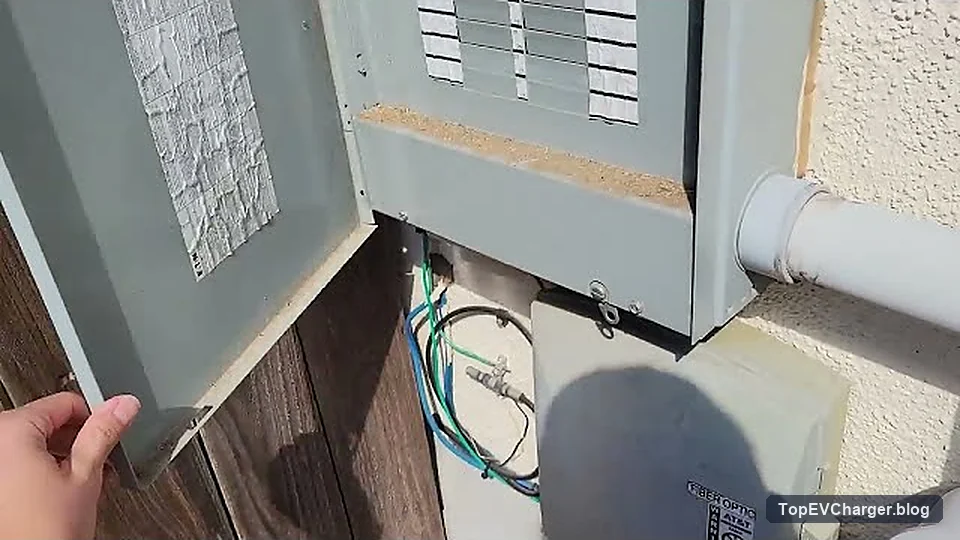
Before adding a new circuit breaker inspect your main service panel. Older homes often feature one-hundred-amp electrical panels which may lack capacity, making our 50 amp vs 60 amp breaker ev charger analysis useful.
Perform a comprehensive load calculation to determine total household energy usage. Adding heavy continuous loads without a professional audit can overload the primary electrical service entrance.
Physical space constraints inside crowded breaker boxes present installation challenges. Installing tandem breakers or upgrading the entire panel may become necessary to accommodate new circuits.
Ensure your panel manufacturer matches any newly installed circuit breaker models. Mixing incompatible breaker brands invalidates equipment listings and creates catastrophic electrical failure risks.
Adding a new dedicated twenty-amp circuit requires physical breaker space inside your main electrical service panel. Older homes often feature crowded panels requiring a tandem breaker or a sub-panel upgrade.
A professional load calculation determines if your existing electrical service can handle additional continuous EV loads. Most modern residences feature two hundred amp panels capable of supporting standard charging setups.
Inspect bus bar condition for signs of pitting, discoloration, or loose spring clips before snapping in new hardware. Corroded terminals increase electrical resistance and cause dangerous hot spots during sustained power draws.
Panel manufacturer matching is an essential safety rule when adding circuit breakers. Never mix brand-incompatible breakers into your load center, as this voids listings and risks arc flash incidents.
- Calculate total home energy consumption before installation.
- Check physical slot availability inside the breaker box.
- Verify breaker compatibility with your panel manufacturer.
- Consider panel upgrades for older residential properties.
Collaborating With Licensed Electricians For Installations
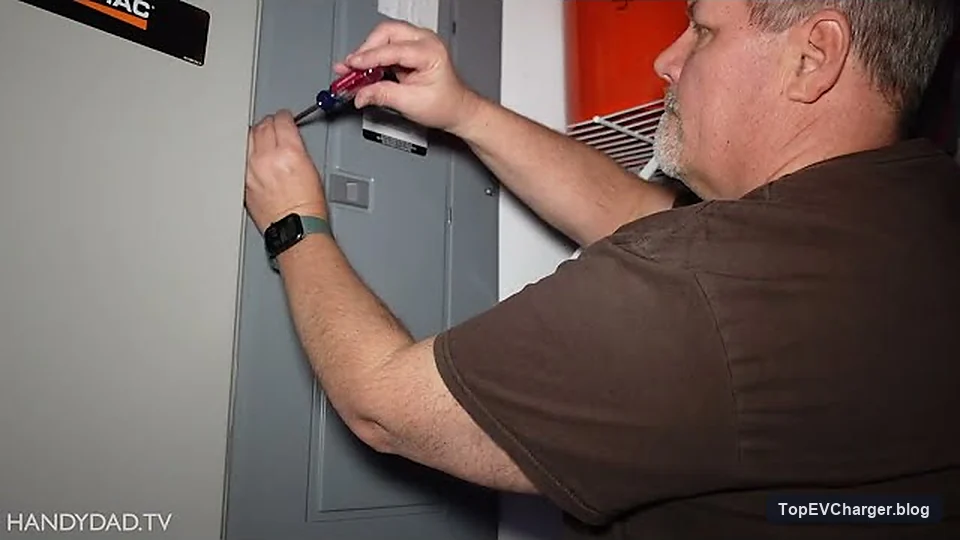
Professional electrical installation guarantees compliance with local building codes. Hiring a licensed local electrician ensures proper permitting and safe execution of all high-voltage wiring tasks.
Discuss your exact vehicle charging specifications during the initial consultation. Informing your contractor about maximum amperage requirements helps them select appropriate breakers and conductors.
Permitting processes protect homeowners by enforcing independent third-party safety inspections. Skipping required municipal permits can complicate home sales and void homeowner insurance coverage policies.
Request a detailed written invoice outlining all installed materials and labor warranties. Quality contractors stand behind their workmanship and provide clear documentation of completed electrical upgrades.
Professional electrical contractors bring critical expertise regarding local building codes and permitting processes. Hiring a licensed technician ensures your sixteen-amp charger installation passes mandatory municipal building inspections successfully.
Discuss your daily driving habits and future vehicle upgrade plans with your electrical contractor upfront. Planning for a future forty-amp circuit now saves considerable labor costs compared to rewiring later.
Ensure the contractor uses a calibrated torque screwdriver to tighten all panel and charger terminal screws. Proper torque specifications prevent loose connections that lead to electrical fires and equipment failure.
Request a detailed itemized invoice outlining wire gauges, breaker models, and permit fees for your records. Comprehensive documentation protects your home insurance coverage and preserves equipment manufacturer warranty terms.
- Hire licensed professionals for all high-voltage projects.
- Obtain all necessary municipal electrical permits upfront.
- Verify contractor insurance and bonding status thoroughly.
- Review itemized estimates before authorizing any work.
Long-Term Maintenance And Thermal Inspection Protocols
Routine maintenance preserves the safety and efficiency of your charging circuit. Periodically inspect the circuit breaker and surrounding wiring for signs of abnormal discoloration or heat.
Thermal expansion can loosen terminal screws inside service panels over time. Qualified technicians should perform periodic torque checks on all primary electrical connections during routine maintenance.
Keep the area around your main electrical panel completely unobstructed. Maintaining adequate clearance ensures rapid emergency shutoff access and promotes healthy passive airflow around service enclosures.
Monitor your charging equipment for unusual humming sounds or error codes. Promptly addressing minor operational anomalies prevents catastrophic equipment failure and costly emergency electrical repairs.
Routine maintenance safeguards your EV charging infrastructure against premature component wear and electrical faults. Perform an annual visual inspection of your breaker panel to check for signs of thermal stress.
Utilize a non-contact infrared thermometer to scan breaker terminals and wire insulation during active charging sessions. Abnormal temperature spikes exceeding forty degrees Celsius above ambient indicate failing terminal connections.
Keep the interior of your electrical panel completely free of dust, debris, and spider webs. Maintaining clear airflow around breakers prevents heat retention and extends the operational lifespan of sensitive electronics.
Test manual breaker toggles periodically to ensure internal mechanical springs retain snap-action responsiveness. Never ignore a breaker that trips repeatedly; investigate root causes immediately before resetting the switch.
- Inspect service panels annually for thermal stress signs.
- Keep electrical room clear of stored household items.
- Listen for unusual noises during vehicle charging cycles.
- Schedule professional torque checks for panel connections.
Avoiding Common Residential Circuit Sizing Pitfalls
Many DIY installers make critical errors by ignoring continuous load rules. Sizing a breaker strictly to the exact running amperage without factoring safety margins leads to frequent nuisance trips.
Another frequent mistake involves using substandard wire gauges for long runs. Ignoring voltage drop calculations results in wasted electrical energy and excessive operating temperatures inside conduits.
Never bypass grounding protocols or cut corners on protective equipment enclosures. Proper grounding provides a safe fault dissipation path protecting both your vehicle and your residential property.
Consult manufacturer documentation rather than relying on unverified internet forums. Accurate technical specifications guarantee safe, reliable charging performance throughout your equipment lifespan.
Homeowners frequently make sizing mistakes by ignoring the continuous load rule for electric vehicle chargers. Sizing a breaker strictly to the nominal operating amperage guarantees frequent overload tripping events.
Another frequent error involves using incorrect wire insulation types for wet or exposed outdoor conduit runs. Always verify that installed cables carry proper THHN or THWN-2 waterproof ratings.
Failing to secure necessary electrical permits can lead to severe fines and compromised home resale values. Always pull proper documentation through your local building department before starting any hardwired project.
Skipping torque verification during installation remains a leading cause of residential electrical connector failures. Insist that your technician verifies every screw tension against strict manufacturer torque tables.
- Never skip the 125 percent continuous load calculation.
- Account for voltage drop on long wire runs.
- Always prioritize proper grounding and weather sealing.
- Rely on official manufacturer installation manuals.
Frequently Asked Questions
Can I use a fifteen amp breaker for a sixteen amp charger?
No, a fifteen amp breaker is too small for a continuous sixteen amp load. You must use a twenty-amp breaker to prevent continuous thermal overload.
What size wire should I run for a twenty amp circuit?
You should use minimum twelve gauge copper wire for standard short runs. Upgrade to ten gauge if your total wire run exceeds fifty feet.
Does a sixteen amp charger require a GFCI breaker?
Yes, modern electrical codes generally require GFCI protection for residential EV charging circuits. Check local municipal amendments for specific installation requirements.
Can my hundred amp panel support this charger?
It depends on your total household electrical load calculations. An electrician must evaluate your service entrance capacity before adding any new continuous circuits.
Is a dedicated circuit mandatory for this installation?
Yes, the National Electrical Code requires a dedicated branch circuit for electric vehicle supply equipment. Sharing circuits creates severe electrical hazards.