Protecting Outdoor Wall Mounted Ev Charger From Direct Sun
Direct solar radiation degrades electric vehicle supply equipment casings over time. Proper shading extends hardware operational lifespans safely.

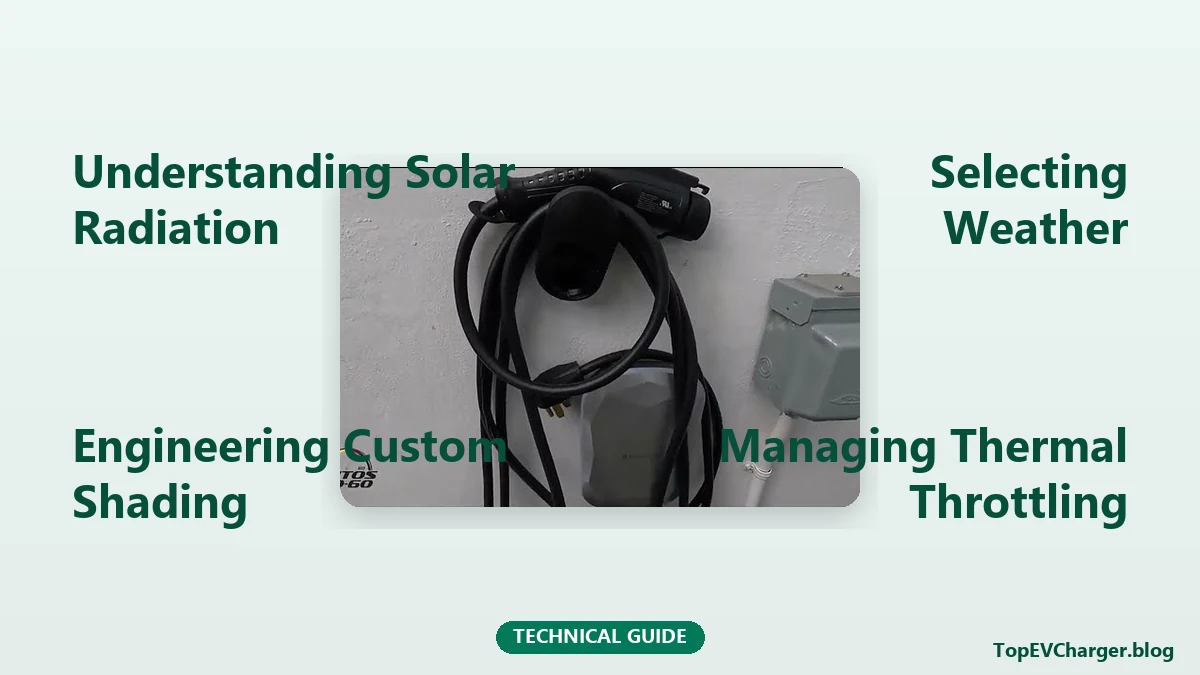
Shielding your charging unit from intense solar heat prevents thermal throttling and housing embrittlement. Always install a UV-resistant canopy ensuring adequate ventilation gaps.
Looking for matching picks? See our Best Level 2 Ev Charger For Outdoor Use.
Practical Quick-Reference Table
| Scenario / Metric | Recommended Target | Why It Matters |
|---|---|---|
| Direct Solar Exposure | North/East Wall or Canopy | Reduces internal operating temperatures |
| NEMA Enclosure Rating | NEMA 4 or NEMA 4X | Protects against windblown dust and rain |
| IP Ingress Protection | IP65 or IP66 Minimum | Ensures high resistance to water jets |
| Canopy Clearance | 3 to 6 Inches Off Housing | Allows proper heat dissipation airflow |
| Operating Temperature | -30°F to 122°F Range | Prevents premature thermal shutdown events |
| Conduit Sealant | UL-Listed Weatherproof Putty | Blocks moisture migration into wall studs |
Understanding Solar Radiation Risks on EVSE Hardware
Continuous exposure to ultraviolet rays breaks down polymer chains in plastic charging housings. This degradation leads to surface chalking, micro-cracking, and structural failure over extended periods outdoors.
Direct sunlight significantly elevates internal temperatures beyond normal operating thresholds during peak summer afternoons. Manufacturers design units for specific ranges, but unshaded spots trigger thermal throttling safeguards.
Excessive heat accelerates capacitor aging inside the main circuit board compartment. Protecting your equipment preserves electronic component integrity and prevents costly premature replacements of circuit assemblies.
Choosing an optimal installation wall—much like selecting between portable vs wall-mounted level 2 chargers—drastically reduces thermal stress. North-facing surfaces receive minimal direct sunlight during the hottest afternoon hours.
Direct solar radiation can elevate outdoor EVSE internal temperatures by up to 20 degrees Celsius above ambient air, rapidly degrading internal capacitors and triggering premature thermal faults during high-amp vehicle charging sessions.
Infrared wavelengths penetrate standard plastic housings, accelerating the breakdown of sensitive circuit boards while significantly shortening the projected operational lifespan of your permanently mounted residential electric vehicle supply equipment.
- Avoid south-facing walls exposed to maximum daily solar radiation.
- Monitor maximum surface temperatures during peak afternoon heatwaves.
- Inspect plastic enclosures annually for early signs of UV fading.
- Choose shaded architectural locations beneath existing structural overhangs.
Selecting Weather-Resistant NEMA and IP Enclosures
Outdoor electrical equipment requires robust outer shells rated for harsh environmental conditions. Using an EV charger sizing calculator helps determine capacity, while looking for NEMA 4 ratings guarantees protection against windblown dust and driving rain.
International Ingress Protection codes provide parallel metrics for solid particle and moisture resistance. An IP65 certification ensures complete blockage against low-pressure water jets from any direction.
Plastic housings must feature UV-stabilized polycarbonate blends to resist solar degradation. Cheap plastics warp quickly, compromising the watertight seal integrity necessary for outdoor charging safety.
Metal enclosures offer superior structural rigidity but require corrosion-resistant powder coatings. Aluminum or stainless steel prevents rust stains from forming on surrounding exterior stone or siding facades.
Always verify your replacement or secondary enclosure carries a minimum NEMA 4X or IP65 rating to ensure complete protection against windblown dust, driving rain, and aggressive ultraviolet light degradation over time.
Non-metallic fiberglass-reinforced polyester housings offer superior resistance to both solar heat absorption and chemical corrosion compared to standard powder-coated steel cabinets installed in direct southern exposures.
- Verify certification stamps directly on the manufacturer data plate.
- Prioritize NEMA 4X units for coastal saltwater spray environments.
- Ensure gasket seals remain flexible and free from dry rotting.
- Avoid unrated indoor units mounted outdoors with makeshift covers.
Video Walkthrough: 🔥 Weatherproof EV Charger Enclosure for Tesla \u0026 ChargePoint | Protect Your Home Charging Station
Engineering Custom Shading Canopies and Mounting Clearances
Building a dedicated protective canopy shields the charging station from direct overhead sun. Ensure the structure uses non-conductive materials like treated wood or heavy-duty architectural polymers.
Maintain a minimum air gap of three to six inches between the canopy and housing. Proper clearance prevents trapped heat pockets and permits adequate convective airflow around the unit.
Secure mounting brackets firmly into structural studs rather than exterior siding alone. High wind loads combined with heavy cable weights demand secure mechanical anchoring for long-term stability.
Position the canopy high enough to allow comfortable daily cable management without obstruction. Ergonomic clearance prevents accidental impacts from vehicle doors during routine parking maneuvers.
Construct custom aluminum or polycarbonate canopies maintaining a mandatory three-inch air gap above the chassis top, allowing efficient thermal convection while shielding the LCD screen from direct overhead solar glare.
Secure your shade structure using stainless steel stand-off brackets anchored firmly into masonry. This setup, recommended in our Rivian wall charger review, ensures the protective awning withstands high wind loads without transferring stress to the chassis.
- Use stainless steel fasteners to prevent rust bleeding.
- Anchor brackets securely into solid wood framing studs.
- Provide sufficient overhang to block driving rain and sun.
- Check local building codes regarding outdoor structure permits.
Managing Thermal Throttling and Internal Heat Buildup
High ambient temperatures combined with direct solar gain force chargers to reduce output amperage. This safety mechanism, known as thermal throttling, significantly increases daily vehicle charging times.
Internal sensors monitor component heat levels continuously to prevent catastrophic semiconductor failure. Keeping the outer chassis cool maintains optimal charging speeds throughout long summer sessions.
Some advanced charging stations incorporate internal cooling fans or heat sink fins. Ensure these ventilation ports remain completely unobstructed by dust, spider webs, or protective covers.
Consider scheduling heavy charging sessions during cooler overnight hours to minimize thermal stress. Off-peak charging benefits both the electrical grid and your hardware operating lifespan.
Modern chargers utilize internal thermistors that initiate current thermal throttling down to 16 amps when internal ambient thresholds exceed 85 degrees Celsius, severely extending your expected overnight electric vehicle replenishment duration.
Installing auxiliary louvered vent panels or passive heat sinks helps dissipate trapped thermal energy safely away from the primary power relay components during peak afternoon heat wave conditions.
- Monitor session logs for unexpected charging speed reductions.
- Keep cooling fins clean and free from environmental debris.
- Program vehicle timers for overnight low-temperature charging windows.
- Avoid wrapping extra cable loops tightly around warm units.
Conduit Sealing and Protecting Entry Points From Moisture
Cable entry points represent critical vulnerabilities where water and heat can penetrate enclosures. Use weatherproof conduit fittings and approved compression connectors for all electrical supply runs.
Apply UL-listed silicone sealant around conduit penetrations to block moisture and condensation migration. Temperature fluctuations create vacuum effects that draw damp air into warm electrical boxes.
Route supply conduits entering from below rather than above whenever installation conditions allow. Bottom entry significantly reduces gravity-fed water pooling risks around rubber gaskets and terminal blocks.
Inspect exterior caulking annually to catch cracks caused by intense solar heat exposure. Routine sealing prevents internal corrosion and electrical shorts inside the main supply terminal housing.
Apply a bead of exterior-grade silicone sealant around every rigid metal conduit entry point and use compression fittings featuring integrated rubber gaskets to prevent condensation buildup driven by rapid temperature swings.
Thermal expansion and contraction can cause conduit fittings to loosen over time, allowing moisture intrusion that creates dangerous short circuits inside the main terminal block wiring compartment.
- Install drip loops on horizontal conduit runs before entry.
- Use compression fittings rated for outdoor wet locations.
- Apply non-hardening exterior grade silicone around penetrations.
- Check internal terminal blocks for signs of condensation moisture.
Preventing UV Degradation on Charging Cables and Plugs
Flexible charging cables experience severe outer jacket hardening under continuous ultraviolet radiation. Sunlight breaks down elastomer compounds, leading to stiffness and dangerous cracking along high-flex zones.
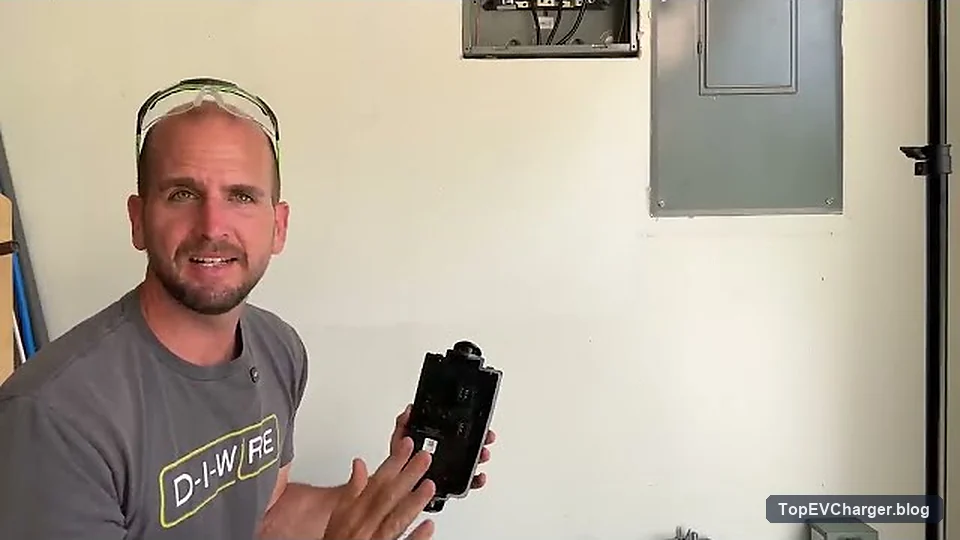
Always coil charging cables loosely on dedicated wall hangers rather than leaving them taut. As noted in our Tesla Wall Charger Gen 3 review, proper storage prevents mechanical stress and shields connector pins from dirt.
Fit protective dust caps over the vehicle connector plug whenever charging sessions conclude. Sunlight and moisture corrode internal copper contact pins if left exposed to open elements.
Clean cable jackets periodically with mild soap and water to remove abrasive dust particles. Regular washing prevents grime buildup that accelerates surface wear under intense solar heat.
Prevent severe thermoplastic elastomer jacket cracking by applying a specialized UV-inhibiting protectant every ninety days, and always store the SAE J1772 connector inside a weatherproof holster when not actively in use.
Coiling your output cable loosely without tight radius bends prevents internal copper conductor fatigue while keeping the outer insulating sheath elevated safely away from hot asphalt surfaces.
- Store connectors inside weather-resistant holster docks securely.
- Avoid leaving heavy cable loops dragging on hot pavement.
- Inspect outer insulation annually for deep fading or cracks.
- Keep rubber dust caps functional and securely attached.
Seasonal Maintenance Protocols for Outdoor Charging Stations
Establish a biannual maintenance schedule to inspect housing integrity and electrical connections. Look for discoloration or chalking on plastic surfaces indicating advanced ultraviolet radiation damage.
Test built-in ground fault circuit interrupter safety features according to manufacturer recommendations. Monthly testing ensures internal protection relays operate correctly despite seasonal temperature swings and heat.
Clear surrounding vegetation that might restrict airflow or trap humidity against the mounting wall. Pruning bushes maintains required clearance and reduces insect nesting risks inside enclosures.
Tighten internal terminal screw connections during annual checkups using a calibrated torque tool. Thermal expansion from solar heating can loosen electrical lugs over extended operating seasons.
Schedule comprehensive seasonal inspections every spring and autumn to check terminal torque values, clean dust filters, and test the integrated GFCI self-test mechanism for reliable operational safety throughout extreme weather cycles.
Use a calibrated torque screwdriver to verify all main power lug connections match the manufacturer specification of 50 inch-pounds, preventing high-resistance micro-arcing caused by seasonal thermal expansion cycles.
- Test safety breakers using the manual trip button.
- Clear dust and spider webs from cooling vents.
- Inspect mounting bolts for secure structural tension.
- Wipe down exterior housings with damp microfiber cloths.
Frequently Asked Questions
Does direct sunlight damage an outdoor EV charger?
Continuous direct solar radiation severely degrades outer plastic charging casings through ultraviolet molecular breakdown and intense thermal heat accumulation during peak afternoon summer hours.
Installing a sturdy, well-ventilated protective shade canopy effectively prevents thermal throttling, surface chalking, and premature electronic component failures over many years of dependable outdoor service in residential environments.
How much clearance should a sunshade have from the charger?
Maintain at least three to six inches of open clearance space between the custom overhead canopy structure and the main charger housing surface.
This specific physical gap permits adequate convective airflow to completely eliminate trapped heat pockets and prevent dangerous internal semiconductor overheating during intense summer residential heatwaves.
Can I use an indoor EV charger outside if I build a sunshade?
Never install an indoor-rated charging station outdoors, even underneath a tightly covered protective structure or sheltered patio overhang.
Standard indoor variants completely lack necessary weatherproof gasket seals required to safely withstand driving rain, blowing wind-driven dust, and severe high humidity condensation cycles over extended operating seasons.
Why does my outdoor charger reduce speed on hot days?
Extreme ambient outdoor heat combined with direct solar gain forces charging units to trigger internal thermal throttling safety mechanisms.
Keeping your electrical equipment securely shaded maintains safe internal semiconductor temperatures for maximum charging efficiency and reliable daily vehicle energy replenishment without unexpected operational slowdowns during hot weather.
What is the best wall orientation for an outdoor EV charger?
Mount your electric vehicle charging station on north-facing or east-facing exterior masonry walls whenever site conditions allow.
These sheltered architectural orientations receive minimal direct solar exposure during peak afternoon heating hours, drastically reducing daily thermal stress and hardware degradation across all seasons.