Preventing Oxidation On Nema 14 50 Outlet Contacts
Corrosion inside high-amperage electrical receptacles creates dangerous resistance spikes. Proper maintenance safeguards your charging equipment.

Always use an anti-oxidant joint compound rated for dissimilar metals and verify terminal torque to prevent destructive thermal runaway.
Looking for matching picks? See our Best Ev Level 2 Charger.
Practical Quick-Reference Table
| Inspection Metric | Target Standard | Corrective Action |
|---|---|---|
| Terminal Torque | 50 in-lbs (verify spec) | Recalibrate using calibrated driver |
| Contact Resistance | Below 0.5 milliohms | Clean surfaces and reapply paste |
| Operating Temp | Under 60 degrees Celsius | Derate amperage or replace outlet |
| Visual Condition | Bright brass/copper | Remove dull films immediately |
| Plug Insertion | Firm mechanical grip | Replace worn spring contacts |
| Compound Type | Noalox or equivalent | Apply thin film to stripped wire |
Metallurgical Properties and Surface Degradation Risks
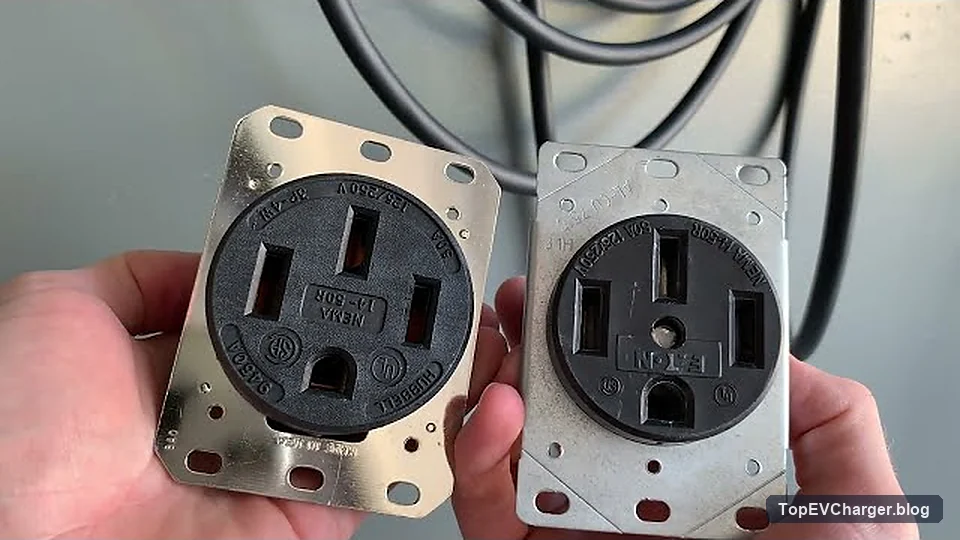
Unprotected copper and brass exposed to ambient oxygen develop thin oxide layers over time. These microscopic films increase electrical resistance across high-amperage mating surfaces during vehicle charging sessions.
When current flows through a high-resistance oxide barrier, localized heat generation multiplies rapidly. This thermal stress accelerates further metal degradation inside the receptacle enclosure.
Environmental moisture introduces galvanic corrosion when different metals touch inside the terminal blocks. Using correct barrier compounds halts this electrochemical decay completely.
Continuous Level 2 charging pushes heavy currents through these vulnerable points for hours. Without proactive protection, oxidation destroys both the plug blades and internal spring contacts.
Evaluating hardware quality matters; our Bryant vs Hubbell NEMA 14-50 outlet comparison highlights superior contact metallurgy. Premium industrial-grade receptacles feature robust nickel-plated brass spring contacts that resist oxidation under heavy continuous daily electrical loads.
Copper oxidation creates cuprous and cupric oxides that drastically increase electrical resistance. As current flows through these degraded interfaces, localized joule heating accelerates the chemical breakdown of surrounding plastics.
Galvanic corrosion happens rapidly when dissimilar metals like aluminum building wires contact unplated brass terminals without intervention. Dielectric barriers or approved joint compounds are strictly required to prevent this destructive electrolytic reaction.
Microscopic pitting on contact surfaces reduces the actual physical mating area between plug blades and receptacle jaws. This constriction causes severe current crowding, raising local temperatures far beyond normal operating design limits.
- Oxide films act as thermal resistors during high-current vehicle charging.
- Galvanic reactions occur when unsealed copper meets plated brass components.
- Prolonged heat cycles warp internal spring clips inside legacy receptacles.
- Microscopic gaps allow humidity to penetrate deep terminal connection zones.
Understanding Contact Resistance Physics
Current must pass through tiny microscopic points where metal surfaces actually touch. Oxide layers reduce this contact area, concentrating electrons into dangerously narrow pathways.
Higher current density through reduced contact areas triggers severe localized overheating. Thermal expansion then pushes contacts apart, worsening the electrical resistance loop.
- Actual metal-to-metal contact covers only a fraction of surface area.
- Restricted electron pathways generate intense localized heat spikes.
Environmental Catalysts That Accelerate Terminal Corrosion
Garage environments frequently experience dramatic humidity swings and temperature drops. These atmospheric shifts cause condensation to form directly on exposed metal terminal blocks.
Salt-laden air in coastal regions accelerates rust and verdigris formation exponentially. Airborne chemical vapors from household cleaners also attack exposed copper surfaces.
Outdoor installations face direct exposure to rain, snow, and extreme UV radiation. Weatherproof covers must feature rubber gasket seals to block corrosive moisture.
Dust accumulation mixed with garage humidity creates a conductive, corrosive sludge. Regular cleaning prevents this debris from bridging internal terminal gaps.
Outdoor installations face constant threats from relative humidity fluctuations and driving moisture ingress. Water vapor condensation inside the enclosure initiates rapid oxidation on vulnerable unsealed copper contact points.
Coastal environments introduce airborne sodium chloride particles that deposit inside residential garages and exterior enclosures. This salt-laden moisture acts as an extreme electrolyte, multiplying standard atmospheric corrosion rates by several magnitudes.
Garage environments often harbor chemical vapors from automotive exhaust, solvents, and household cleaning products. Airborne sulfur compounds react directly with copper alloys, forming dark tarnish layers that impede efficient electrical conductivity.
Extreme seasonal temperature swings cause expansion and contraction cycles that compromise enclosure gasket seals. Once ambient moisture breaches the housing interior, thermal pumping pulls humid air directly into contact terminals.
- High humidity promotes rapid condensation on uninsulated metal parts.
- Coastal salt mist triggers aggressive galvanic pitting on brass terminals.
- Chemical vapors from garage solvents degrade exposed electrical contacts.
- Poorly sealed outdoor boxes invite destructive moisture into wiring.
Mitigating Garage Microclimates
Installing your charging station in a climate-controlled space minimizes moisture risks. When outdoor placement is mandatory, select enclosures with proper IP ratings.
Dehumidifiers in enclosed garages dramatically lower the dew point near electrical hardware. Protecting the immediate environment shields your terminal contacts from decay.
- Target ambient humidity levels below fifty percent in the garage.
- Choose high-ingress-protection enclosures for exterior charging setups.
Video Walkthrough: 3 Mistakes I Made Installing a NEMA 14-50 Outlet
Applying Approved Anti-Oxidant Compounds Properly
Anti-oxidant compounds contain suspended zinc or copper particles that displace oxygen. Applying this paste to stripped wire strands prevents corrosive oxidation indefinitely.
Always clean bare conductors with a wire brush before applying any protective paste. The compound must coat every strand inside the terminal pressure plate.
Wipe away excess compound that squeezes out during terminal screw tightening. Accumulated paste outside the terminal can attract conductive dust and debris.
Never substitute unrated household lubricants or greases for electrical joint compounds. Proper formulas withstand extreme temperatures without melting or running away.
Anti-oxidant compounds like Penetrox A or De-ox-Id contain conductive zinc particles suspended in a synthetic carrier. These pastes displace trapped oxygen and seal the electrical interface against future atmospheric contamination.
Technicians must wire-brush aluminum or oxidized copper conductors thoroughly before applying any anti-oxidant grease. Applying compound over existing contamination fails to establish low resistance, rendering the protective paste entirely ineffective.
Apply a generous, even layer across all bare wire strands and internal terminal screw contact surfaces. Excess compound should be wiped away cleanly to prevent dust accumulation or unintended bridging between phases.
Reapply approved anti-oxidant treatments during routine annual maintenance checks to ensure continuous low-resistance performance. This upkeep prevents localized heating and preserves the mechanical integrity of high-amperage EV charging connections.
- Zinc particles in paste bite through microscopic surface oxide layers.
- Always wire brush conductors prior to applying protective compounds.
- Remove excess exterior paste to prevent unwanted dust accumulation.
- Verify your compound carries official listing marks for electrical use.
Step-by-Step Compound Application Protocol
Shut off power at the main breaker panel before servicing any receptacle. Strip the conductor to the exact length specified by the outlet manufacturer.
Brush a thin, even coat of anti-oxidant paste over the exposed strands. Insert the coated conductor immediately into the terminal and torque securely.
- Always verify zero voltage using a calibrated multimeter first.
- Match strip lengths precisely to avoid exposed live copper.
Mechanical Pressure Maintenance And Torque Standards
Loose terminal screws create microscopic air gaps where electrical arcs form. Maintaining exact factory torque specifications prevents micro-vibrations from loosening connections.
Copper wire naturally creeps and relaxes under sustained thermal expansion cycles. Periodic torque checks ensure spring tension remains high on the conductor strands.
Always use a calibrated torque screwdriver rather than guessing by hand. Over-tightening shears wire strands, while under-tightening invites high-resistance thermal failure.
Industrial receptacles utilize robust pressure plates rather than simple set screws. These heavy-duty designs distribute clamping force evenly across all conductor strands.
Before choosing your setup, review our NEMA 14-50 vs hardwired EV charger guide to evaluate installation risks. Maintaining precise terminal screw torque is essential for preventing dangerous micro-arcing and subsequent oxidation buildup.
Standard residential receptacles typically require terminal screws to be torqued between 25 and 50 inch-pounds. Under-torqued connections allow microscopic air gaps that invite rapid oxidation and catastrophic thermal runaway.
Over-torquing shears delicate conductor strands and strips terminal threads, destroying the necessary clamping pressure permanently. Precise calibration ensures optimal contact force without damaging the copper wire or terminal block assembly.
Thermal cycling causes metal creep, which gradually relaxes terminal screw tension over months of heavy charging. Technicians must perform re-torque protocols six months after initial installation to maintain secure electrical clamping force.
- Thermal expansion cycles cause conductors to relax inside terminals.
- Calibrated torque drivers eliminate guesswork during outlet installation.
- Pressure plates distribute clamping force evenly across wire strands.
- Scheduled re-torquing catches mechanical loosening before arcing starts.
The Danger of Over and Under Tightening
Insufficient torque leaves air gaps that breed destructive electrical resistance. Conversely, excessive force crushes conductor strands and strips terminal threads.
Always consult the manufacturer label stamped on the receptacle housing. Adhering to these precise inch-pound ratings guarantees long-term connection integrity.
- Under-tightening generates high-resistance points and localized heat.
- Over-tightening damages soft copper strands and weakens screws.
Thermal Runaway Mitigation And Contact Resistance Monitoring
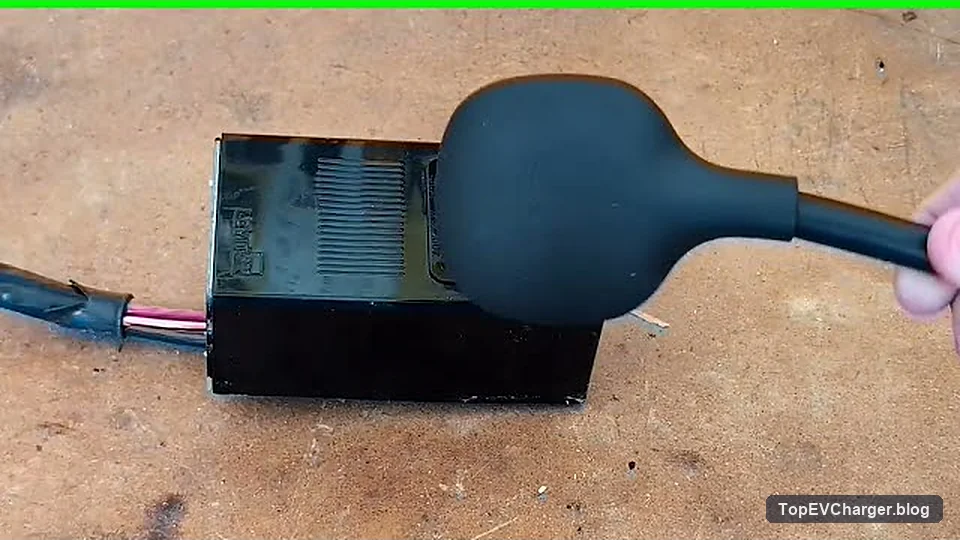
Thermal runaway occurs when resistance generates heat, which worsens corrosion. This destructive cycle ends in melted plastics and ruined electrical receptacles.
Infrared thermometers provide a non-contact method for spotting hot terminals. Normal operating temperatures should never exceed modest ambient temperature rises.
If a plug feels unusually hot after a charging session, inspect immediately. Discoloration on the plastic housing indicates severe internal thermal stress.
Modern smart EV chargers can throttle current if internal sensors detect anomalies. However, physical receptacle monitoring remains essential for absolute safety.
High contact resistance generates localized heat that damages receptacle spring tension and accelerates metallurgical breakdown. Deploying infrared thermography during active charging sessions helps detect abnormal temperature spikes before failure occurs.
For deeper insights on connection limits, consult our NEMA 14-50 vs hardwired analysis. Normal operating temperatures for heavy-duty receptacle terminals should never exceed 75 degrees Celsius under full continuous load.
Utilize a digital multimeter with a low-resistance micro-ohm function to measure contact drop across terminals. Elevated resistance readings above standard manufacturer baselines confirm that immediate receptacle replacement is strictly necessary.
Modern smart EV chargers log internal temperature data and throttle current if plug-side overheating is detected. Integrating thermal monitoring safeguards protects home electrical infrastructure from catastrophic fire hazards caused by oxidation.
- Thermal runaway accelerates exponentially once initial breakdown occurs.
- Use infrared inspection tools to check terminal temperatures regularly.
- Discolored housing plastics signal dangerous internal overheating events.
- Throttling current reduces thermal stress during high-load sessions.
Interpreting Infrared Scan Results
Scan your receptacle while the vehicle draws maximum continuous amperage. A temperature difference greater than ten degrees Celsius warrants investigation.
Pinpoint hotspots precisely to determine whether the issue lies upstream. Correcting minor temperature anomalies prevents catastrophic outlet failure.
- Perform scans during peak vehicle charging current loads.
- Investigate any temperature delta exceeding ten degrees Celsius.
Video Walkthrough: Introduction
Upgrading From Residential Receptacles To Industrial Hardware
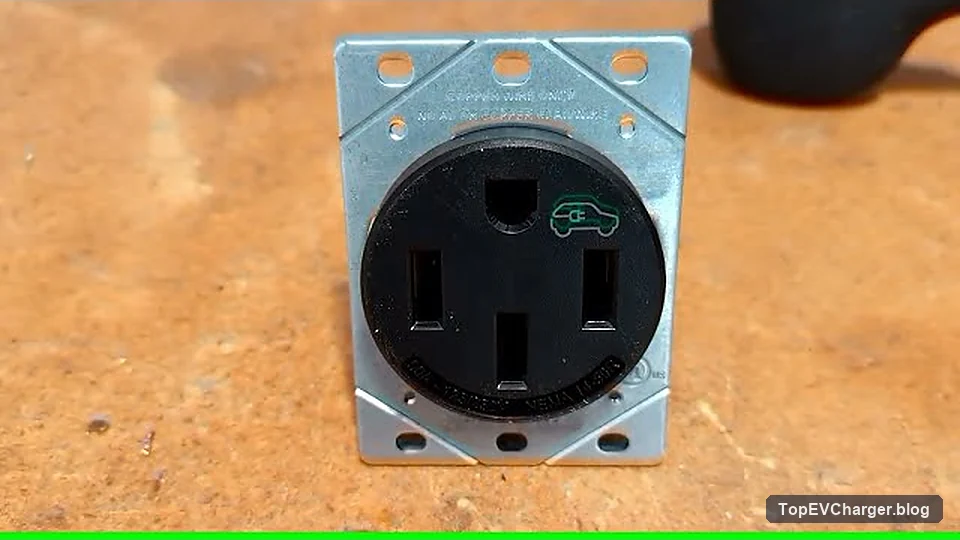
Standard retail-grade outlets are engineered for occasional appliance use only. Electric vehicle charging demands heavy-duty industrial or commercial specifications.
Cheap residential receptacles feature thin brass contacts that lose spring tension. Upgrading to an industrial-grade outlet prevents premature mechanical failure.
Industrial units use nickel-plated copper contacts that resist environmental oxidation. Their massive terminal screws accept heavy-gauge copper wiring without deformation.
Investing in premium hardware eliminates the primary cause of residential charging fires. Commercial-grade construction handles daily thermal cycles with ease.
Standard builder-grade NEMA 14-50 outlets are engineered for occasional range use, not continuous 40-amp loads. Upgrading to industrial-grade receptacles provides heavier brass contacts and robust spring steel reinforcement clips.
Industrial outlets feature nickel-plated copper alloy construction that inherently resists environmental oxidation and pitting corrosion. These heavy-duty metallic alloys maintain superior clamping force throughout thousands of repeated plug insertion cycles.
Commercial-grade enclosures and receptacles offer superior terminal wire capacity, accepting thick 6 AWG solid conductors effortlessly. Larger terminal blocks distribute mechanical clamping pressure more evenly, preventing localized strand deformation and oxidation.
Investing in UL-listed industrial hardware eliminates the primary root causes of residential EV charging thermal failures. Robust mechanical designs drastically reduce long-term maintenance requirements and protect your home wiring investment securely.
- Retail outlets lack the spring durability for daily EV loads.
- Nickel plating protects internal contact blades from rapid oxidation.
- Heavy-duty clamping screws prevent conductor pull-out under stress.
- Industrial designs withstand thousands of insertion and removal cycles.
Identifying True Industrial Specifications
Look for robust nylon housing construction and heavy-duty brass faces. Avoid standard plastic units found in typical hardware store aisles.
Verify that the receptacle carries certified commercial or industrial ratings. Quality components feature reinforced mounting straps for secure installation.
- Check packaging for explicit commercial-grade manufacturer ratings.
- Inspect housing materials for high-impact industrial nylon build.
Routine Inspection Protocols For Continuous Amperage Loads
Establish a bi-annual maintenance schedule to check your charging infrastructure. Visual inspections catch minor oxidation before it becomes a major hazard.
Before checking physical wear, use our EV charger sizing calculator to verify proper amperage draw. Unplug the charging unit and carefully inspect both the copper plug blades and internal contacts for visible pitting.
Clean dirty contacts using specialized electrical contact cleaner and brushes. Never use abrasive sandpaper that strips protective plating layers away.
Document your maintenance checks to track the long-term health of your setup. Proactive care ensures reliable, safe vehicle charging every single night.
Establish a strict quarterly visual inspection schedule to examine the receptacle faceplate and plug housing. Look closely for discoloration or melting around the hot phase slots which signals internal oxidation.
Inspect the EV charger plug blades for signs of pitting, dark carbon deposits, or dullness. Contaminated plug pins transfer oxidation directly into clean receptacle jaws, compounding electrical resistance issues across the connection.
De-energize the circuit completely at the main breaker panel before removing the wall plate for internal checks. Verify zero voltage using a multimeter safety check prior to touching any internal wiring or terminals.
Document inspection findings, terminal temperatures, and re-torque dates in a dedicated home maintenance logbook. Consistent record-keeping ensures long-term reliability and provides early warning signs of progressive contact degradation.
- Inspect charging plugs and receptacle contacts every six months.
- Look for dull films, pitting, or dark discoloration marks.
- Use approved contact cleaners instead of harsh abrasive pads.
- Maintain a service log to monitor long-term hardware wear.
Safe Cleaning and Maintenance Steps
Always kill power at the circuit breaker before cleaning internal contacts. Spray approved contact cleaner onto a non-conductive nylon brush.
Gently scrub away surface films without bending the spring clips. Allow the solvent to evaporate completely before restoring electrical power.
- De-energize the circuit completely before physical cleaning.
- Allow all cleaning solvents to dry fully prior to use.
Frequently Asked Questions
Why does my EV charger plug feel hot after charging?
A hot plug usually indicates high contact resistance caused by loose terminals or light surface oxidation. Inspect the receptacle immediately for discoloration or melting.
Can I use standard dielectric grease on electrical contacts?
Standard dielectric grease is an insulator and should not be used on mating electrical current paths. Always use an anti-oxidant compound specifically rated for current-carrying metal connections.
How often should I check my receptacle terminal torque?
You should verify terminal screw torque every six months during routine maintenance. This catches thermal relaxation and prevents micro-arcing inside the housing.
Is it safe to clean corroded outlet contacts with sandpaper?
Sandpaper strips away protective nickel or plating layers, leaving raw copper exposed. Use a chemical contact cleaner and non-metallic brush instead.
What distinguishes an industrial outlet from a residential model?
Industrial outlets use thicker brass spring contacts and robust pressure plates. They handle continuous high-amperage loads without losing spring tension or overheating.