Ip66 Ingress Protection Rating For Outdoor Ev Chargers Explained
Understanding the ip66 ingress protection rating for outdoor ev chargers is essential for hardware longevity. Proper enclosure specs prevent catastrophic electrical faults during severe weather events.

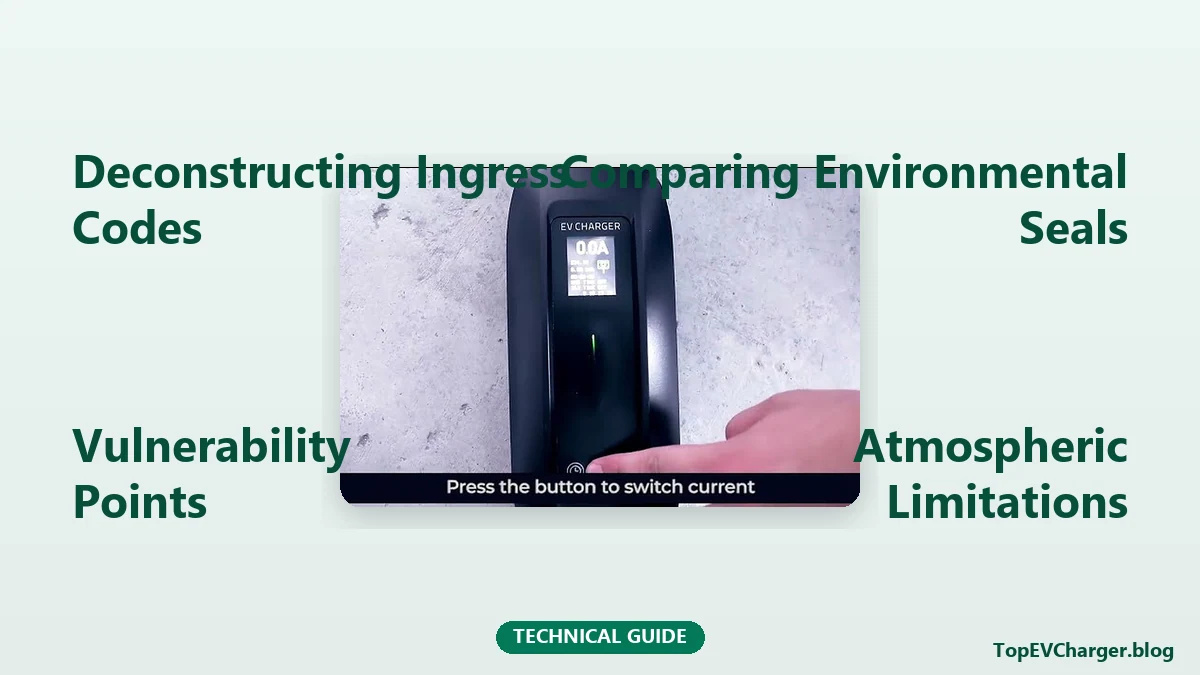
The ip66 ingress protection rating guarantees complete dust tightness and robust defense against high-pressure water jets. Always verify gasket integrity during every seasonal maintenance check to ensure continuous operational safety.
Looking for matching picks? See our Best Level 2 Ev Charger For Outdoor Use.
Practical Quick-Reference Table
| Scenario / Metric | Recommended Target | Why It Matters |
|---|---|---|
| Exposed Roadside Pedestal | IP66 Classification | Defends against driving rain and high winds. |
| Sheltered Parking Garage | IP54 or IP55 | Resists casual splashes under overhead cover. |
| Car Wash Facility Zone | IP66 with Gaskets | Survives direct high-pressure spray maintenance. |
| Coastal Salt Environment | IP66 Marine Grade | Combats moisture alongside corrosive salt fog. |
| Cable Entry Glands | Compression Rated | Blocks capillary action along power lines. |
| Thermal Venting | Membrane Breather | Manages internal humidity without fluid leaks. |
Deconstructing Ingress Codes: Digits And Definitions
The international protection marking standard utilizes a two-digit code to define enclosure sealing capabilities. The first digit evaluates solid particle resistance, while the second digit measures liquid ingress protection.
For outdoor electrical equipment, understanding how these numerical values scale is vital. A rating of six signifies absolute dust tightness, preventing any particle infiltration into sensitive internal charging circuits.
The second digit provides equally critical performance metrics regarding moisture exposure. Achieving a value of six indicates that the enclosure withstands powerful water jets projected from any standard nozzle angle.
Manufacturers must subject their enclosures to rigorous third-party laboratory evaluations to earn this designation. This ensures that field units maintain rated performance even after enduring years of thermal expansion cycles.
The IP66 rating system follows strict international standards defined by IEC 60529. The initial digit indicates solid particle defense, while the second digit governs liquid ingress resistance under high pressure.
A first digit rating of six grants total protection against dust ingress. This total dust-tight seal ensures microscopic particulate matter cannot infiltrate sensitive printed circuit boards during heavy wind storms.
The second digit value of six mandates survivability against heavy jet water streams. Enclosures must withstand 12.5 liters per minute sprayed from a 12.5mm nozzle at a 3-meter distance without failure.
Mechanics evaluating these ratings must understand that higher numbers do not imply backwards compatibility. An IP66 housing completely surpasses IP55 splashing limitations, establishing a much more robust physical barrier.
- First digit evaluates solid particle exclusion up to complete vacuum tests.
- Second digit mandates continuous resistance against forceful liquid sprays.
- Combination code guarantees resilient operation in harsh weather environments.
- Standardized testing eliminates ambiguity across different international manufacturing brands.
Technical Breakdown of the First Digit
Solid particle ratings range from zero to six on the standard IEC scale. A level six rating requires a prolonged vacuum test, similar to units featured inside our best level 2 charger for jeep 4xe roundup.
This level of defense protects internal printed circuit boards from corrosive debris. Fine particulate accumulation can otherwise cause microscopic short circuits over extended operational timeframes.
- Level zero offers zero mechanical protection.
- Level six achieves total particle barrier isolation.
Comparing Environmental Seals: IP55 Versus IP66
Distinguishing between standard lower ratings and heavy-duty classifications prevents premature equipment failure. While IP55 handles splashing water, it fails against concentrated high-pressure liquid streams typically found in car washes.
Upgrading to an ip66 ingress protection rating for outdoor ev chargers introduces heavier silicone gaskets. These specialized seals compress securely against housing flanges to block driven rain effectively.
Lower-tier housings often rely on simple labyrinth seals that degrade under heavy wind-driven precipitation. High-pressure environments demand mechanical compression latches to maintain uniform gasket pressure across every edge.
Facility managers must weigh local climatic extremes before selecting enclosure specifications for new installations. Cost savings from lesser ratings vanish quickly when moisture compromises expensive internal power electronics.
Selecting between IP55 and IP66 hardware requires analyzing local climate severity. IP55 shields against limited dust and low-pressure water jets, whereas IP66 protection levels handle driving coastal rain effortlessly.
Gasket compression tolerances differ significantly between these two enclosure classes. An IP55 unit typically uses single-lip ethylene propylene diene monomer rubber, while IP66 residential chargers employ multi-tiered labyrinth sealing designs.
Drainage management also separates these standards during prolonged heavy precipitation events. IP66 housings rely on hermetic pressure equalization rather than allowing controlled internal moisture drainage through weep holes.
Installers facing industrial environments or open highway exposure should always specify IP66. This choice eliminates risks associated with wind-driven moisture penetration that easily compromises lesser IP55 electrical terminals.
- IP55 shields against moderate water splashes from all directions.
- IP66 defends against heavy directional water jets and extreme winds.
- Silicone gasket density dictates long-term sealing performance under stress.
- Mechanical latching systems prevent housing warp over thermal cycles.
Video Walkthrough: BESEN PCD032 Waterproof Test - IP66 Portable EV Charger
Micro-Environment Dynamics: Shelter Versus Exposure
Installation geometry dictates the severity of weather exposure experienced by modern charging hardware. Units mounted under concrete architectural overhangs face significantly lower moisture loads than exposed roadside pedestals.
Despite sheltered placement, wind turbulence can still drive rain horizontally into auxiliary ventilation ports. Relying solely on overhead cover without verifying baseline enclosure ratings introduces unnecessary operational risks.
Exposed steel mounting posts subject charging units to pooling water and freezing puddles. Ground-level splashback requires elevated mounting brackets, a trait often highlighted when reviewing the best level 2 charger for tesla hardware options.
Technicians should perform a comprehensive micro-site assessment before finalizing hardware placement plans. Factoring in prevailing wind directions helps determine whether an IP66 enclosure is strictly mandatory or recommended.
Charging equipment installed under a carport experiences radically different thermal stress than unshaded installations. Direct solar radiation induces extreme panel expansion, which constantly tests enclosure seal integrity and fastener torque.
Ambient temperature fluctuations create internal barometric pressure differentials inside the charger housing. Without proper breathing vent membranes, these thermal cycles suck moisture directly through microscopic gasket gaps during cooling phases.
Positioning chargers on north-facing exterior walls minimizes ultraviolet degradation of exterior plastic resins. Minimizing solar load directly preserves the elastomeric gasket lifespan, ensuring long-term IP66 performance without premature hardening.
Ground clearance remains critical when deploying outdoor electrical equipment in flood-prone zones. Mounting units at least 450 millimeters above grade prevents standing water pooling from overwhelming baseline enclosure defenses.
- Overhead architectural covers reduce direct vertical rainfall accumulation.
- Wind-driven turbulence forces moisture horizontally through minor housing gaps.
- Ground clearance minimizes risks from standing water and ice buildup.
- Micro-site assessments prevent mismatched hardware deployment in harsh zones.
Vulnerability Points: Where Moisture Seeps In
Every physical penetration point represents a potential failure vector for liquid ingress. Cable entry glands, mounting screw holes, and connector interfaces require precise sealing to maintain enclosure integrity.
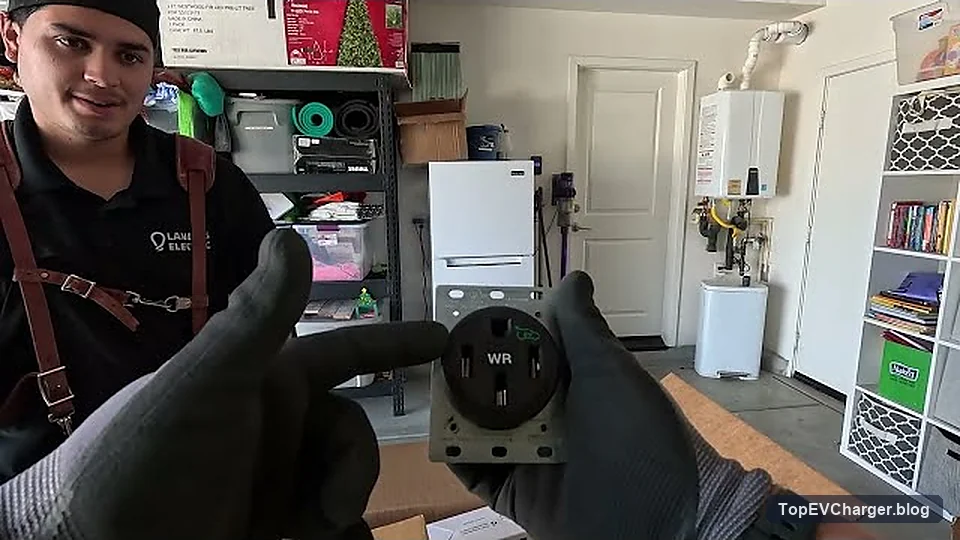
Cable glands must utilize correctly sized rubber compression inserts matching the outer cable diameter. Improperly tightened glands leave microscopic gaps that allow capillary action to draw moisture inward.
Bottom-entry cabling configurations are universally preferred over top or side entries. Gravity naturally assists in draining away exterior water droplets before they reach vulnerable seal interfaces.
Periodic visual inspections help identify cracked polymer housings or degraded rubber door gaskets early. Replacing worn components during scheduled maintenance prevents costly internal component replacements down the road.
Cable entry points represent the most common failure zones for outdoor charging hardware. Utilizing unrated knockouts or failing to install proper compression glands immediately invalidates the manufacturer IP66 certification.
Conduit connections demand liquid-tight fittings featuring integrated sealing washers and threaded thread-lock compounds. A single loose conduit fitting allows capillary moisture migration straight down into the primary contactor terminals.
Access door hinges and locking latches endure heavy mechanical wear over thousands of plug-in cycles. Periodic inspection of door compression forces guarantees that weather-stripping remains properly compressed against the frame.
Fastener torque specifications provided in manufacturer installation manuals are never suggestions. Using a calibrated torque wrench prevents uneven gasket crushing, which creates micro-channels for wind-driven rain to enter.
- Cable glands require precise torque specifications to compress rubber inserts.
- Bottom-entry routing utilizes gravity to prevent direct liquid pooling.
- Mounting screw channels need internal o-ring seals to block water.
- Door hinges must maintain even pressure against perimeter rubber gaskets.
Atmospheric Limitations: Beyond Dust And Water
While an ip66 ingress protection rating for outdoor ev chargers excels against solids and liquids, it ignores chemical exposure. Coastal salt spray and airborne industrial pollutants can degrade enclosure materials rapidly.
Standard polycarbonate plastics may become brittle when subjected to intense ultraviolet solar radiation over decades. Selecting ultraviolet-stabilized resins or marine-grade aluminum housings prevents structural cracking under relentless sunlight.
Temperature extremes also challenge internal components regardless of excellent external liquid seals. Enclosures must incorporate proper thermal management to prevent internal condensation caused by rapid diurnal temperature swings.
Humidity trapping inside tightly sealed waterproof boxes can form destructive internal condensation droplets. Integrating miniature breathable membrane vents allows vapor escape while maintaining strict liquid and dust exclusion.
Standard ingress ratings exclusively measure solid particles and liquid water resistance. They fail to account for corrosive airborne salts found near marine coastlines that rapidly degrade aluminum enclosure surfaces.
Industrial locations introduce airborne chemical pollutants that can attack polymeric housing materials. Selecting powder-coated aluminum chassis alongside IP66 seals protects internal components from aggressive acidic atmosphere degradation.
Extreme cold weather presents unique challenges for rubberized enclosure seals and hinged doors. Below-zero temperatures cause standard elastomers to lose elasticity, destroying gasket memory retention necessary for waterproofing.
Facility managers must evaluate local air quality indexes alongside moisture data before purchasing hardware. Combining IP66 ratings with NEMA 4X chemical resistance ensures complete safety in harsh operational environments.
- Coastal salt fog accelerates metallic corrosion on unprotected fasteners.
- Ultraviolet radiation breaks down standard plastic polymer chains over time.
- Diurnal temperature shifts create internal condensation risks inside sealed boxes.
- Breathable pressure vents manage humidity without compromising liquid defense levels.
Engineering Verification And Laboratory Testing Protocols
Independent testing laboratories validate manufacturer claims through standardized hydraulic and particulate test rigs. Enclosures are mounted on rotating tables and subjected to high-pressure water jets from specific distances.
Water flow rates during testing reach one hundred liters per minute through specialized nozzles. Technicians examine internal cavities meticulously for any trace of moisture ingress after completing test cycles.
Dust chambers circulate fine talcum powder around the test unit under negative internal pressure. This confirms that even micro-vacuums created by cooling cycles cannot draw airborne particulates inside.
Reviewing certified laboratory compliance reports provides engineers with verifiable data before purchasing hardware. Certifications from recognized testing bodies ensure equipment reliability in demanding commercial deployment scenarios.
Third-party testing laboratories subject EV charger prototypes to rigorous environmental simulation chambers. These tests verify water resistance, matching the rigorous metrics calculated via our ev charger sizing calculator for proper installation loads.
Dust chambers circulate fine talcum powder around operational enclosures under negative internal pressure. This verifies the absolute dust-tight integrity required to achieve the first digit of an IP66 classification.
Thermal shock testing alternates the equipment rapidly between freezing and high-heat environments. This verifies that thermal expansion differentials do not cause housing seams to warp and compromise waterproof seals.
Certified equipment always displays clear compliance markings from recognized testing organizations like UL or ETL. Installers should always verify these independent laboratory credentials prior to final municipal electrical inspection.
- Hydraulic test nozzles deliver high-pressure water streams continuously.
- Rotating sample tables ensure uniform exposure across all exterior surfaces.
- Dust chambers test negative pressure sealing capabilities with talc powder.
- Certified test reports guarantee compliance with international electrical standards.
Specification Checklist For Outdoor EV Charging Sites
Crafting robust procurement specifications requires evaluating environmental factors alongside electrical load parameters. Engineers must document maximum wind speeds, precipitation rates, and temperature fluctuations for every site.
Specifying an ip66 ingress protection rating for outdoor ev chargers ensures compliance with rigorous safety codes. Always verify that secondary accessories like holster docks meet equivalent protective standards.
Contractors must adhere strictly to manufacturer torque guidelines during all electrical wiring procedures. Proper installation techniques preserve factory-certified seals and protect long-term capital investments effectively.
Establish clear maintenance protocols including annual gasket inspections and torque re-verification checks. Proactive upkeep sustains the weatherproofing integrity required for continuous, safe public electric vehicle charging operations.
Drafting comprehensive site blueprints requires specifying exact environmental protection thresholds for all hardware. Engineers should mandate minimum IP66 ratings for any wall-mounted or pedestal-based residential EV charging infrastructure.
Ensure all conduit entries utilize rated liquid-tight fittings with integrated rubber O-rings. Contractors must avoid field-drilled bottom entries that invite pooling condensation accumulation inside the main terminal compartment.
Maintenance protocols should include annual checks of all housing seals and door latches. Replacing degraded silicone rubber gaskets proactively prevents catastrophic moisture ingress before electrical faults occur.
Documenting serial numbers and installation dates helps track equipment aging across harsh outdoor environments. Proper maintenance logs ensure that warranty validation requirements are fully met when choosing the best level 2 ev charger for outdoor use.
- Document local weather extremes including wind-driven rain and snow loads.
- Verify that holster cradles and cable connectors match enclosure standards.
- Enforce strict torque protocols during all electrical gland installations.
- Schedule routine annual inspections to check rubber seal elasticity.
Frequently Asked Questions
What makes an IP66 rating different from IP67?
An IP66 rating certifies comprehensive protection against powerful high-pressure water jets coming from any direction. Conversely, IP67 certifies temporary immersion in standing water up to one meter deep for limited durations.
Selecting the correct code depends entirely on whether your installation site faces high-pressure washdowns or potential standing floodwater risks during storms.
Can an IP66 charger be installed completely unprotected in open areas?
Yes, enclosures bearing this certification are explicitly designed for exposed outdoor deployment without auxiliary shelters. They withstand direct driving rain, blowing dust, and intense solar radiation without failing internally.
However, adding a protective canopy still helps reduce thermal stress and improves user ergonomics during inclement weather conditions.
How often should enclosure gaskets be inspected on outdoor chargers?
Field maintenance teams should visually inspect all perimeter door and cable gland gaskets at least twice annually. Look closely for signs of cracking, hardening, or loss of elastic memory in the rubber material.
Promptly replacing degraded seals ensures the charging hardware maintains its factory-certified protection level throughout its intended operational lifecycle.
Does an IP66 rating protect against chemical corrosion from road salt?
No, standard ingress protection codes evaluate only solid particle and liquid moisture resistance. They do not test for chemical degradation caused by road salts, fertilizers, or industrial air pollutants.
Installers must verify that the outer housing material uses corrosion-resistant metals or stabilized polymers when deploying units in harsh coastal environments.
Why is bottom-cable entry recommended for outdoor EV chargers?
Routing power cables through the bottom of the enclosure leverages gravity to prevent water pooling. Water droplets naturally run downward and drip off rather than tracking inward along the cable jacket.
Top or side entries require specialized sealed fittings that can degrade over time and permit moisture ingress into live electrical compartments.