Humming Or Buzzing Sound From Ev Charger Circuit Breaker
Experiencing a humming or buzzing sound from ev charger circuit breaker requires immediate diagnosis. Electrical noises indicate potential mechanical vibration or thermal stress within your residential electrical service panel.

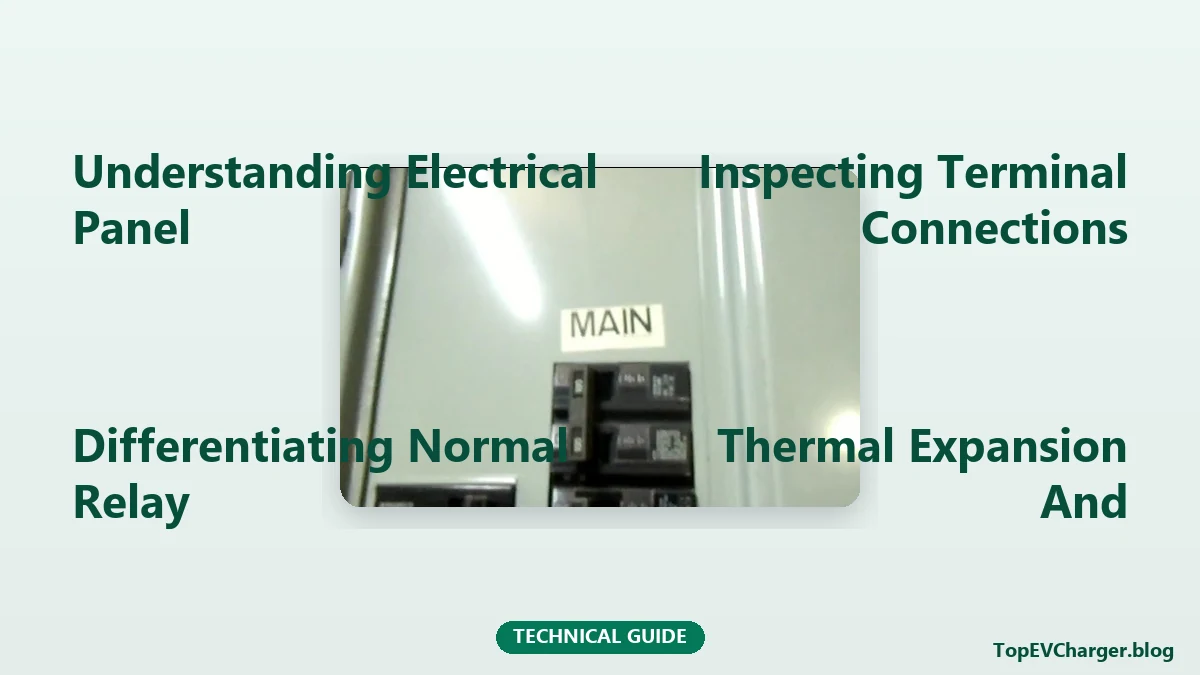
A persistent humming or buzzing sound from ev charger circuit breaker usually points to loose terminal screws or magnetic hum. Always verify proper torque specifications using a calibrated torque screwdriver before replacing components.
Looking for matching picks? See our Best 240V Ev Charger.
Practical Quick-Reference Table
| Scenario / Metric | Recommended Target | Why It Matters |
|---|---|---|
| Terminal Lug Torque | Manufacturer Spec | Prevents loose arcing |
| Circuit Breaker Load | 80% Max Continuous | Avoids thermal stress |
| Branch Circuit Wire | Proper Copper Gauge | Minimizes voltage drop |
| Panel Ambient Temp | Under 104 Degrees F | Reduces heat buildup |
| Inspection Frequency | Annual Check | Catches wear early |
| Breaker Replacement | Brand Matched | Ensures bus bar fit |
Understanding Electrical Panel Acoustics and Magnetism
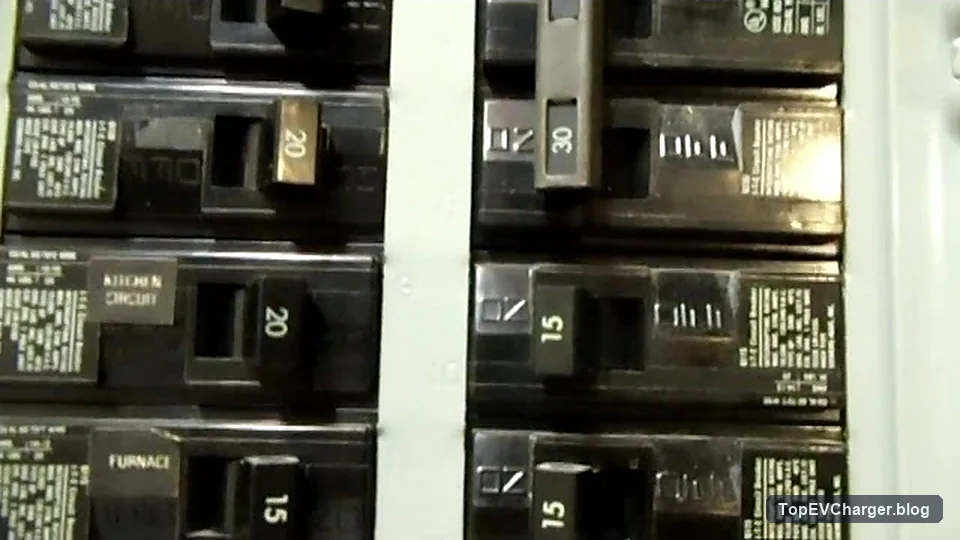
Alternating current flowing through circuit breakers naturally generates a low-frequency magnetic hum. This phenomenon stems from the rapid cycling of the internal electromagnetic tripping coils under high electrical loads.
When maxing out vehicle amperage, review our gfci vs standard breaker comparison to understand how internal hardware differences impact audible panel humming under continuous high current loads.
Residential panels mounted directly to drywall often act as amplifiers for these mechanical vibrations. Installing rubber isolation pads can significantly reduce structural resonance throughout your home framing.
Homeowners must accurately isolate whether the acoustic emission originates from the breaker itself. Use a non-contact diagnostic tool to pinpoint exact sources without exposing yourself to hazardous electrical energy.
Alternating current flowing through your electrical panel creates a natural magnetic field. This electromagnetic force causes steel laminations inside the breaker to vibrate rapidly at sixty hertz, producing an audible hum.
High-amperage Level 2 EV charging draws continuous electrical loads for hours. This heavy current amplifies magnetic flux density, making minor vibrations much louder and more noticeable during extended charging sessions in quiet homes.
Panel enclosures act like acoustic amplifiers when mounted directly to hollow drywall studs. Installing rubber isolation pads behind the metal box helps dampen these low-frequency vibrations before they propagate through residential living spaces.
Loose bus bar connections can also resonate when subjected to heavy electromagnetic forces. Ensuring your main feed lugs meet manufacturer torque specifications prevents structural rattling and reduces unwanted acoustic feedback within the distribution panel.
- Monitor load levels during peak EV charging hours.
- Check panel enclosure mounting bolts for secure attachment.
- Listen for changes in pitch when charging current modulates.
- Document frequency and duration of audible humming events.
Inspecting Terminal Connections and Lug Torque
Using our EV charger sizing calculator helps determine correct wire gauges, stopping loose feeder wires or output terminal lugs from creating microscopic electrical arcs that generate buzzing noises under heavy electrical loads.
Electric vehicle supply equipment draws heavy continuous loads for hours during standard overnight charging sessions. This continuous demand accelerates the degradation of poorly torqued mechanical terminal connections.
Qualified technicians utilize calibrated torque screwdrivers to ensure every breaker lug matches manufacturer specifications. Never guess proper tightness, as under-torqued screws cause dangerous resistance and localized overheating.
Prior to inspecting any internal panel components, always shut off the main utility disconnect. Safety protocols mandate complete de-energization before touching exposed bus bars or breaker terminals.
Substandard mechanical connections create micro-gaps that force electricity to jump across tiny air spaces. This resistance generates localized heat and produces a sharp buzzing sound requiring immediate terminal inspection before component failure occurs.
Always de-energize the main service panel and verify zero voltage using a calibrated multimeter. Using an insulated calibrated torque screwdriver, tighten every breaker lug to the exact inch-pound rating stamped on the manufacturer label.
Copper wire naturally creeps and relaxes under continuous thermal cycling from heavy EV charging loads. Routine maintenance checks every twelve months help identify loosened screw terminals before oxidation and pitting start damaging conductor surfaces.
If you notice discoloration or melted plastic around the breaker terminals, do not attempt retightening. The affected breaker and potentially the bus bar section must be replaced by a licensed professional electrician immediately.
- Shut off main breaker before opening panel covers.
- Inspect wire insulation for signs of discoloration.
- Verify terminal screw torque using manufacturer guidelines.
- Replace breakers showing pitted or oxidized connection lugs.
Video Walkthrough: Why Your Breaker Panel Hums – And When It's a Warning
Differentiating Normal Relay Clicks from Arc Faults
Modern home charging stations contain internal contactors that emit sharp clicks during operation. These mechanical switching sounds are completely normal and differ entirely from continuous electrical buzzing.
Conversely, a harsh buzzing sound accompanied by a burning odor signals dangerous arcing faults. Arc fault circuit interrupters monitor waveform irregularities to detect compromised wiring insulation before fires occur.
If your dedicated EV breaker trips repeatedly alongside audible buzzing, internal contacts are likely severely degraded. Resetting a tripped breaker repeatedly without investigating the root cause creates extreme fire hazards.
Differentiating between harmless magnetic hum and destructive electrical arcing preserves your home infrastructure. Always trust your senses and prioritize immediate professional intervention when encountering irregular electrical feedback.
Modern residential electrical codes require specialized protection for garage circuits. Understanding the acoustic difference between standard mechanical switching operations and dangerous electrical anomalies prevents unnecessary panic during routine charging cycles.
Normal electromechanical relays inside the EVSE or breaker produce a sharp, single click during engagement. In contrast, an electrical arc sounds like erratic buzzing, static crackling, or rapid intermittent snapping under load.
Arc fault circuit interrupters monitor waveform signatures for erratic current spikes indicating dangerous sparks. If your AFCI breaker trips accompanied by a buzzing noise, unplug your vehicle and inspect the charging cable insulation.
Nuisance tripping combined with persistent buzzing often points to electromagnetic interference from internal power supplies. Upgrading to a robust industrial-grade breaker resolves harmonic distortion issues common with high-power semiconductor rectifiers.
- Distinguish between momentary relay clicks and buzzing.
- Watch for tripped breakers during high-power sessions.
- Test circuit breaker reset functionality under no load.
- Install arc fault indicators for enhanced circuit protection.
Thermal Expansion and Ambient Temperature Factors
Seasonal temperature shifts cause metal components inside your electrical panel to expand and contract. This continuous dimensional movement weakens mechanical clamping forces on breaker bus bar stabs.
Garages lacking proper climate control experience extreme temperature swings that exacerbate panel component fatigue. High ambient heat combined with heavy charging loads raises internal breaker operating temperatures.
Elevated temperatures increase internal electrical resistance, which directly intensifies humming and buzzing noises. Monitoring seasonal garage temperatures helps you anticipate potential electrical maintenance requirements ahead of time.
Ensuring adequate ventilation around your electrical service panel prevents localized heat buildup. Never obstruct panel access with storage boxes or shelving units that restrict natural convective airflow.
Ambient garage temperatures heavily influence how electrical components expand and contract throughout seasonal changes. Extreme cold or excessive summer heat alters metal tolerances, creating mechanical stress within the circuit breaker housing.
Internal bimetallic strips inside thermal-magnetic breakers react to ambient warmth alongside electrical current draw. When operating near maximum amperage limits, high surrounding temperatures accelerate calibration drift and trigger premature audible buzzing.
Electrical panels installed on exterior walls face severe temperature gradients that promote condensation buildup. Moisture intrusion corrodes internal mechanical linkages, increasing friction and generating abnormal acoustic resonance during high-draw EV charging operations.
Ensuring adequate ventilation around your subpanel mitigates localized heat pockets. Never insulate directly over a surface-mounted electrical panel, as trapped thermal energy degrades internal insulation materials and causes premature hardware failure.
- Maintain clear airspace around the service panel.
- Monitor seasonal garage temperature fluctuations closely.
- Check for hot spots using an infrared thermometer.
- Schedule annual electrical thermal imaging inspections.
Evaluating Dedicated Branch Circuit Wire Gauge
Charging an electric vehicle requires robust copper conductors matched to the charger amperage rating. Undersized branch circuit wiring creates excessive voltage drop and generates severe electrical humming noises.
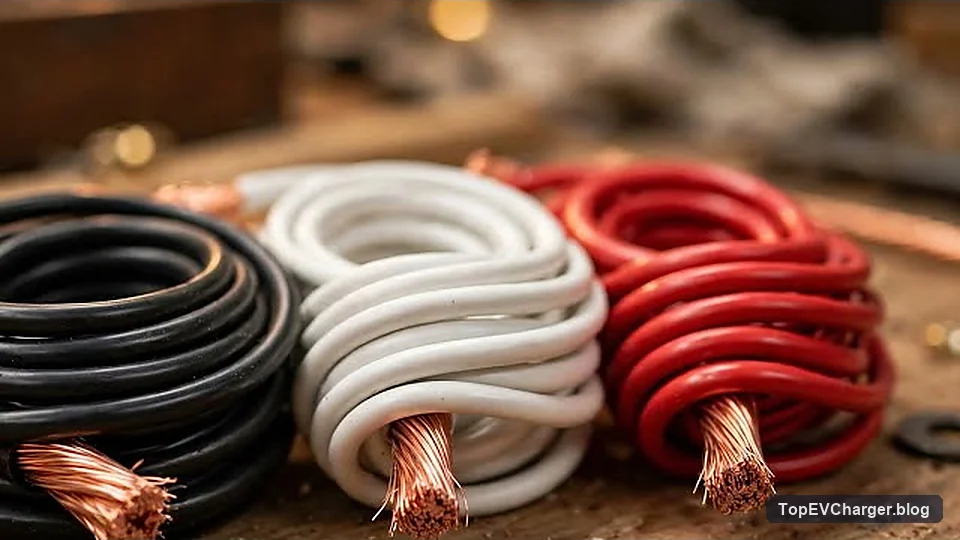
National Electrical Code standards mandate specific wire gauges for continuous loads like Level 2 chargers. Using aluminum wiring without proper antioxidant paste accelerates galvanic corrosion and connection failure.
Inspect the entire cable run from your main service panel to the charging unit receptacle. Verify that wire sizing complies with manufacturer installation manuals and local municipal building codes.
Upgrading legacy electrical wiring eliminates hidden resistance points that manifest as panel humming. Consulting a licensed electrician ensures your infrastructure handles continuous EV charging safely and efficiently.
Selecting proper circuit protection is vital when running high-draw equipment. Review our 40 amp vs 50 amp breaker guide before choosing conductors to handle excessive thermal strain and continuous electrical loads safely.
National Electrical Code guidelines mandate sizing branch circuits at one hundred twenty-five percent of the continuous load. For a fifty-amp breaker, this typically requires six AWG copper wiring to prevent voltage drop issues.
Aluminum conductors demand careful installation using approved anti-oxidant joint compound and specialized dual-rated connectors. Mismatched metals create galvanic corrosion, producing high-resistance connections that generate significant buzzing noises under heavy loads.
Verify your branch circuit wire gauge matches the manufacturer specifications listed in your EVSE manual. Using improper conductor sizes violates local building codes and creates serious fire hazards during extended high-amperage sessions.
- Verify wire gauge matches charger amperage demands.
- Inspect entire conduit run for physical damage.
- Ensure proper use of antioxidant compound on aluminum.
- Consult municipal codes for local installation mandates.
Video Walkthrough: Why Your Electrical Panel Hums (And When to Worry)
Circuit Breaker Age and Internal Contact Wear
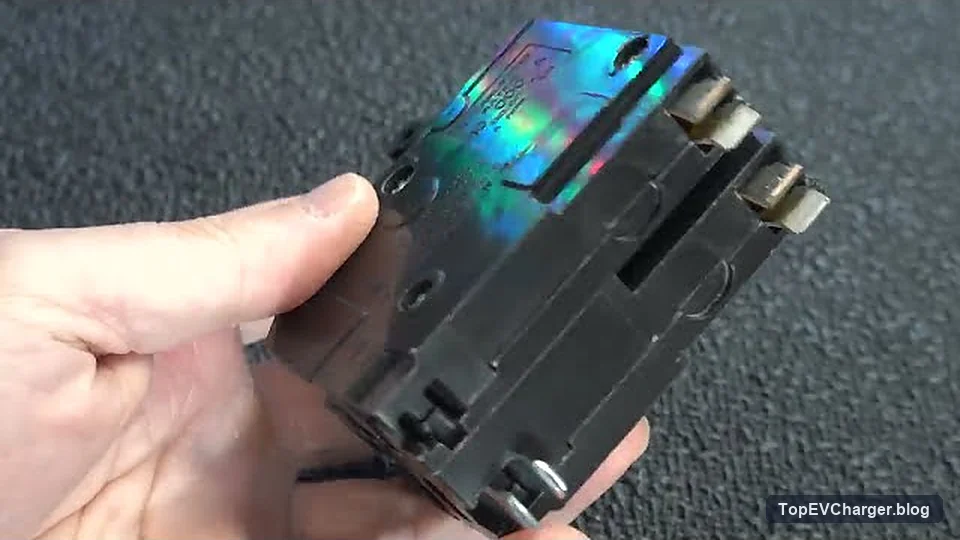
Electrical circuit breakers possess a finite operational lifespan under heavy residential usage patterns. Aging internal bi-metallic strips lose their mechanical tension, resulting in audible vibration and reduced tripping accuracy.
Breakers installed over two decades ago may struggle with modern high-amperage electric vehicle charging demands. Upgrading to a modern thermal-magnetic breaker resolves chronic humming issues caused by internal component wear.
Inspect breaker housing units for any signs of cracking, discoloration, or soot accumulation. Damaged housing integrity compromises arc containment and requires immediate breaker replacement by certified personnel.
Establishing a routine inspection schedule for aging electrical panels prevents unexpected equipment failures. Replacing worn breakers restores quiet operation and guarantees reliable overcurrent protection for your home.
Circuit breakers have a finite mechanical lifespan defined by thousands of switching operations. As internal spring mechanisms and silver alloy contacts degrade, the breaker loses its clamping force and begins producing loud vibrations.
Repeatedly tripping a breaker under fault conditions causes microscopic pitting on the contact surfaces. This rough interface prevents proper electrical closure, creating high electrical resistance and noticeable electromagnetic hum during vehicle charging.
If your breaker is more than fifteen years old, internal fatigue is a likely culprit. Replacing an aging breaker restores firm contact pressure and eliminates the annoying humming sound caused by loose internal linkages.
Always source replacement breakers from the exact same manufacturer as your electrical panel. Mixing brands violates safety listings, voids equipment warranties, and compromises the mechanical fit on the central bus bar.
- Check installation date codes on existing breakers.
- Look for thermal discoloration on plastic housings.
- Replace breakers exceeding twenty years of service.
- Purchase exact brand-matched replacement circuit breakers.
Professional Mitigation Strategies and Replacement Steps
When basic troubleshooting fails to eliminate panel buzzing, professional electrical intervention becomes mandatory. Licensed contractors possess specialized diagnostic tools to evaluate bus bar integrity and feeder cable conditions.
Replacing a faulty circuit breaker involves removing panel covers and extracting the snap-on device. Technicians ensure proper bus bar engagement and verify exact manufacturer compatibility before energizing the new breaker.
Sometimes humming stems from incompatible panel and breaker manufacturer pairings that cause loose fits. Installing listed, matching components eliminates mechanical looseness and resolves persistent acoustic resonance issues.
Prioritizing professional service guarantees adherence to strict national and local electrical safety codes. Protect your home and vehicle by relying on certified experts for complex electrical panel repairs.
When basic troubleshooting fails to resolve persistent breaker buzzing, professional intervention becomes necessary. A licensed electrician will perform comprehensive diagnostic testing using a true-RMS clamp meter to measure actual operational amperage.
Technicians can inspect bus bar fingers for pitting, arc damage, or thermal degradation that homeowners cannot safely access. Replacing a compromised panel section prevents catastrophic electrical failures and ensures long-term charging reliability.
If upgrading your home equipment, consult our 50 amp vs 60 amp breaker comparison to evaluate your service entrance capacity and prevent nuisance breaker tripping during peak demand.
Document all maintenance steps and keep professional inspection receipts for insurance and warranty compliance purposes. Maintaining a meticulous service history protects your property investment and guarantees safe daily EV charging.
- Hire licensed electricians for internal panel work.
- Verify exact brand compatibility for new breakers.
- Test system under load after replacement completion.
- Retain service records for home maintenance history.
Frequently Asked Questions
Is a humming circuit breaker during EV charging always dangerous?
A low magnetic hum is frequently normal under heavy continuous electrical loads from your electric vehicle charger during overnight sessions.
However, loud buzzing accompanied by unusual panel warmth or distinct burning odors requires an immediate professional electrical inspection to completely prevent dangerous residential fire hazards and catastrophic equipment failure.
Why does the humming noise get louder when my car charges?
Increased electrical current flowing through the circuit breaker magnifies internal electromagnetic coil vibrations significantly during active overnight charging sessions.
This acoustic phenomenon directly correlates with the higher amperage drawn by your Level 2 charging station during high-power vehicle power transfer cycles across standard residential electrical distribution networks.
Can I tighten the circuit breaker terminal screws myself?
Opening an electrical service panel exposes untrained homeowners to lethal shock hazards and requires specialized insulated safety gear.
You should always hire a licensed professional electrician equipped with calibrated torque tools to handle internal panel screw adjustments safely and maintain local electrical code compliance.
What size circuit breaker do I need for a Level 2 home charger?
Most standard Level 2 chargers operating at forty continuous amps require a dedicated fifty-amp circuit breaker for safe operation.
Always consult the specific manufacturer installation manual and local electrical building codes to determine correct amperage sizing requirements for your specific residential charging hardware setup.
How often should my electrical panel be inspected for buzzing issues?
Scheduling a professional annual electrical system inspection helps identify loose connections and thermal wear before catastrophic failures occur.
Proactive maintenance preserves your residential electrical infrastructure and ensures reliable, quiet daily charging performance for your electric vehicle over its entire operational lifespan.