Ev Charger Tripping Circuit Breaker Immediately Upon Plug In Guide
Immediate breaker trips during vehicle connection indicate severe electrical anomalies. Proper diagnostic isolation prevents hardware damage across your residential setup.

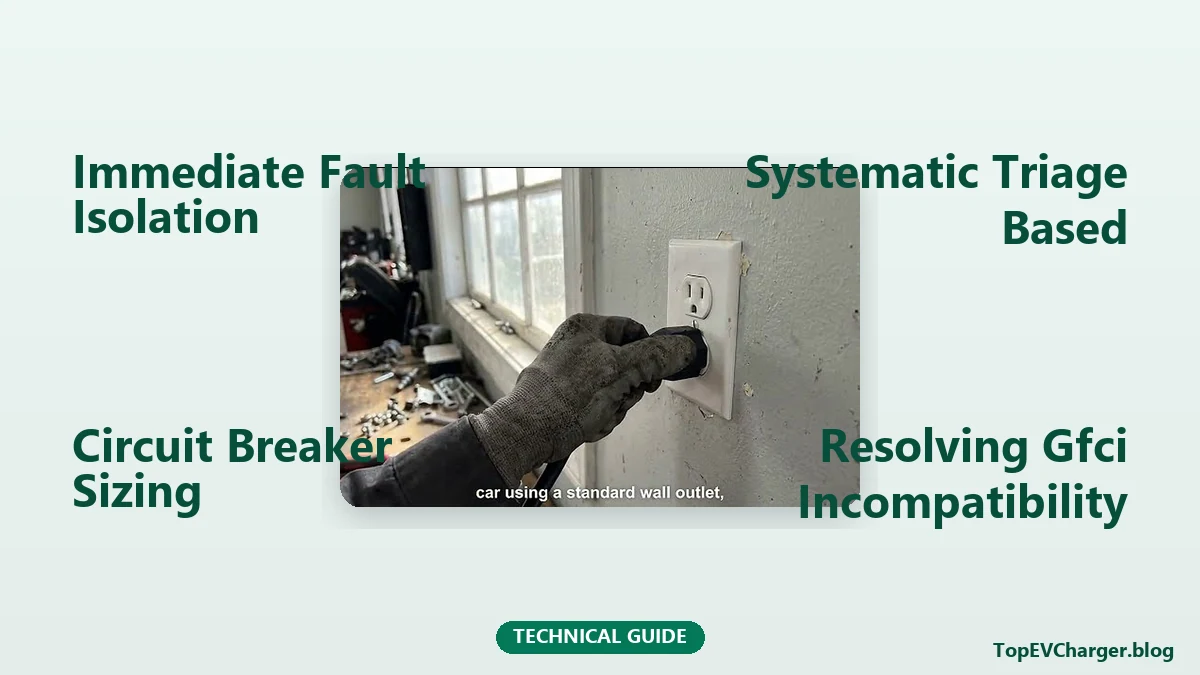
Always test earth ground continuity before replacing circuit breakers. Unresolved short circuits or ground faults cause instant tripping when connecting your vehicle.
Looking for matching picks? See our Best Level 2 Ev Charger For Plug In Hybrids.
Practical Quick-Reference Table
| Scenario / Metric | Recommended Target | Why It Matters |
|---|---|---|
| Continuous Load Rule | 80% of Breaker Rating | Prevents thermal fatigue and nuisance tripping. |
| Ground-to-Neutral Voltage | Under 2.0 Volts AC | Ensures safe fault path clearance. |
| Torque Specification | Manufacturer Terminal Spec | Eliminates high-resistance arcing connections. |
| GFCI Leakage Threshold | 4 to 6 Milliamps | Triggers instantaneous safety disconnects. |
| Conductor Gauge | Proper NEC Ampacity Sizing | Avoids excessive voltage drop and heat. |
| Multimeter Resistance | Infinite Ohms to Ground | Verifies absence of internal shorts. |
Immediate Fault Isolation When Breakers Trip Instantly
When an EV supply equipment unit triggers an instantaneous shutdown, you must avoid random hardware replacements. Systematic troubleshooting isolates whether the root anomaly lies within the dwelling wiring or internal hardware.
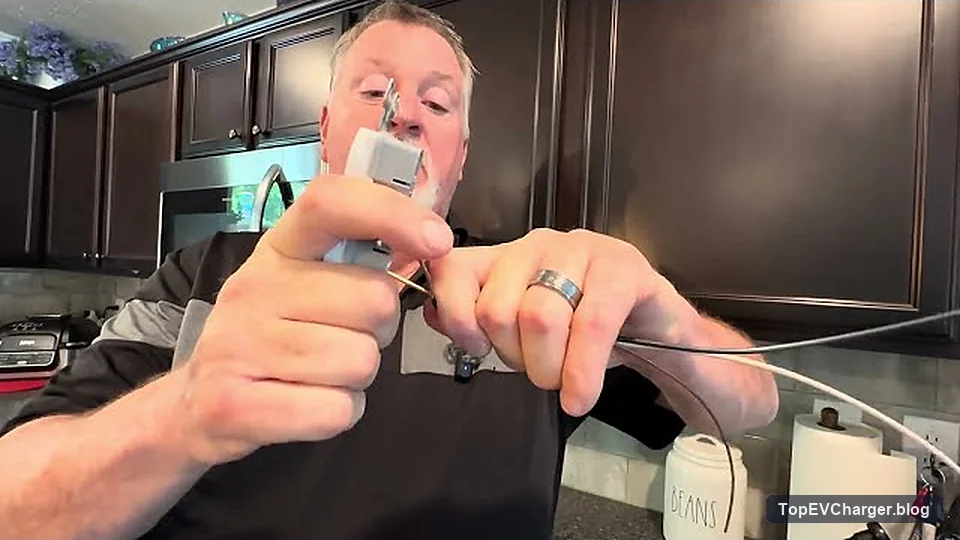
An immediate fault upon connection points directly to a hard short circuit or ground fault. Diagnostic isolation requires disconnecting the supply hardware and testing the dedicated circuit separately.
Thermal-magnetic breakers respond instantly to severe overcurrent conditions or compromised insulation barriers. Pinpointing the exact trigger mechanism preserves costly electrical components and ensures household safety.
Evaluating voltage parameters under load helps determine if the upstream supply panel struggles with demand. Professional electricians utilize specialized diagnostic meters to capture transient fault spikes during initial connection.
- Never reset a breaker repeatedly after instant hard trips.
- Inspect the plug pins for visible carbon scoring or pitting.
- Verify that the circuit breaker matches the exact amperage draw.
- Test for continuity between line and neutral conductors safely.
Isolating Upstream Versus Downstream Faults
Separating the branch circuit from the charging hardware clarifies fault origin. Testing the breaker with an isolated load verifies internal panel integrity.
When diagnosing persistent faults, evaluate our hardwired vs plug in ev options to determine if connection design or internal relay issues triggered the protective breaker disconnect.
- Disconnect the charging unit completely from the wall receptacle.
- Reset the thermal-magnetic breaker to check baseline stability.
- Inspect internal wiring terminals for loose lug connections.
Analyzing Transient Inrush Current Spikes
Initial handshake protocols between vehicle and supply equipment draw brief power surges. Worn breaker contacts may misinterpret these normal startup currents as severe faults.
Upgrading older thermal breakers to modern HACR-rated models often resolves unexplained sensitivity during the initial vehicle plug-in phase.
- Monitor startup amperage using a digital clamp meter.
- Check for firmware updates on smart residential charging units.
- Ensure supply voltage remains stable during the handshake.
Systematic Triage Based on Exact Trip Timelines
The exact moment a protective device trips provides critical diagnostic clues for technicians. Instantaneous snaps point to wiring shorts, while delayed trips indicate thermal overloads.
If the breaker trips before pins fully seat, suspect a physical pin bridge or damaged receptacle housing. Foreign debris inside the port creates immediate phase-to-ground contact.
Recording the precise second of failure accelerates the repair process significantly. Documenting environmental factors like moisture exposure helps isolate intermittent insulation failures.
Matching the symptom timeline to specific electrical codes narrows down potential failure points across the branch circuit wiring infrastructure.
- Note whether the trip occurs during mechanical insertion or handshake.
- Check for water ingress inside outdoor NEMA enclosures.
- Examine mating terminals for corrosion or physical distortion.
- Verify proper seating depth of heavy-duty plug connectors.
Mechanical Seating Versus Electrical Handshake
Physical insertion faults happen when bent pins touch internal grounding sleeves instantly. This triggers immediate protective clearance before current flows.
Handshake trips occur milliseconds after digital communication establishes between vehicle and supply unit.
- Inspect vehicle inlet pins for alignment and damage.
- Verify pilot signal integrity using dedicated testing tools.
- Clean connector contacts with approved electrical contact cleaner.
Evaluating Environmental Influences on Trip Timing
Humidity and rain accelerate tracking faults across exposed terminal blocks and outdoor receptacles. Moisture lowers dielectric resistance values dangerously.
Ensure weatherproof covers maintain proper compression seals against the wall surface during severe weather events.
- Inspect enclosure gaskets for cracking or hardening.
- Look for mineral deposits indicating water infiltration.
- Apply dielectric grease to exterior connection points.
Video Walkthrough: Level 1 EV charger tripping garage breaker overnight - cause and fix
Circuit Breaker Sizing Parameters and NEC Compliance
National Electrical Code mandates strict continuous load calculations for electric vehicle supply equipment installations. Use our precise ev charger sizing calculator to determine exact amperage requirements before wiring.
A dedicated forty-amp continuous load requires a fifty-amp circuit breaker paired with appropriate copper conductors. Undersized thermal breakers overheat rapidly and trip prematurely.
Verify that your electrical panel can support the cumulative amperage draw without exceeding total service entrance limits. Overloaded main panels risk dangerous busbar degradation.
Professional installation standards dictate precise wire gauge sizing to minimize voltage drop over extended conduit runs through residential structures.
- Apply the mandatory eighty-percent continuous load rule strictly.
- Match copper wire gauge directly to circuit breaker amperage.
- Ensure terminal lugs are torqued to manufacturer specifications.
- Inspect panel busbars for signs of discoloration or heat.
Calculating Continuous Load Amperage Requirements
Continuous loads run for three hours or longer without interruption during standard vehicle charging cycles. Circuit breakers must be rated for one hundred twenty-five percent of the load.
Failing to account for this multiplier leads to chronic thermal fatigue inside the breaker housing.
- Multiply maximum charger amperage output by 1.25.
- Select the next standard breaker size above calculated value.
- Verify conductor ampacity exceeds the selected breaker rating.
Conductor Gauge Selection and Voltage Drop
Long wire runs experience voltage drops that force chargers to draw higher current. Higher current draw increases thermal stress on circuit protection devices.
Use thicker copper conductors for runs exceeding fifty feet to maintain electrical efficiency and safety.
- Calculate voltage drop percentage for your specific run length.
- Upgrade wire gauge if drop exceeds three percent threshold.
- Use only pure copper wire for high-amperage residential circuits.
Resolving GFCI Incompatibility and Ground Faults
Modern electrical codes require specific safety equipment. When upgrading your garage power supply, research our top plug-in hybrid chargers to ensure seamless residential code compliance and avoid grounding conflicts.
Dual GFCI protection between the supply breaker and internal charger components causes nuisance tripping conflicts. High-frequency leakage currents trigger sensitive breaker thresholds instantly.
Consult manufacturer documentation to determine whether your specific charging unit requires a standard breaker or a GFCI breaker.
Never bypass safety ground connections to resolve persistent tripping issues, as this creates lethal electric shock hazards.
- Identify whether your jurisdiction mandates GFCI breakers.
- Check for conflicting internal and external fault protection.
- Measure leakage current using a specialized clamp meter.
- Confirm proper earth ground rod resistance values locally.
Dual GFCI Interaction and Nuisance Tripping
When two protective devices monitor identical leakage thresholds, minor electrical noise causes false trips. Isolating the protection to one designated device usually restores normal operation.
Review local building codes before modifying any circuit protection configurations in your panel.
- Check unit specifications for integrated DC leakage protection.
- Verify compliance with latest regional electrical code editions.
- Consult licensed professionals for panel configuration changes.
Testing Earth Ground Resistance and Continuity
High resistance in the grounding path prevents proper fault clearance and triggers sensitive trips. A secure, low-impedance ground is vital for safe equipment operation.
Inspect bonding jumpers at the main service panel to ensure secure mechanical connections.
- Measure resistance between ground and neutral bars.
- Verify ground rod connection tightness outdoors.
- Check metallic conduit fittings for secure bonding continuity.
Comprehensive Inspection of Loose Electrical Connections
Thermal expansion and contraction loosen terminal screws inside breakers and receptacles over extended periods. Loose connections generate localized resistance, heat, and immediate tripping.

Power down the main service panel before inspecting internal terminal blocks for physical signs of thermal degradation. Look for melted plastic insulation or oxidized copper surfaces.
Using a calibrated torque screwdriver ensures all circuit breaker and receptacle lugs meet precise manufacturer pressure ratings. Proper torque prevents arcing faults under heavy loads.
Routine hardware maintenance eliminates hidden resistance points that compromise the stability of high-amperage residential circuits.
- Shut off main power before opening electrical service panels.
- Inspect all wire termination points for discoloration.
- Tighten terminal lugs using a calibrated torque tool.
- Replace any heat-damaged breakers or charred wire segments.
Identifying Thermal Damage and Oxidation
Oxidized copper strands reduce effective current-carrying capacity and produce excessive heat. Cleaning or trimming damaged wire ends restores secure electrical contact.
Replace breakers showing any evidence of discoloration or structural warping immediately.
- Strip back burned wire insulation to fresh copper.
- Clean terminal slots with non-conductive abrasive pads.
- Apply antioxidant compound on aluminum wire connections.
Correct Calibration of Terminal Lug Torque
Over-tightening shears conductor strands, while under-tightening creates dangerous arcing gaps. Following precise inch-pound specifications guarantees long-term connection reliability.
Re-check terminal tightness after the first month of heavy operational use.
- Consult manufacturer labels for exact torque values.
- Use digital torque screwdrivers for accuracy verification.
- Mark torqued screws with tamper-evident paint markers.
Video Walkthrough: How To Stop EV Charging From Tripping Breakers?
Evaluating Shared Circuit Overloads and Panel Capacity
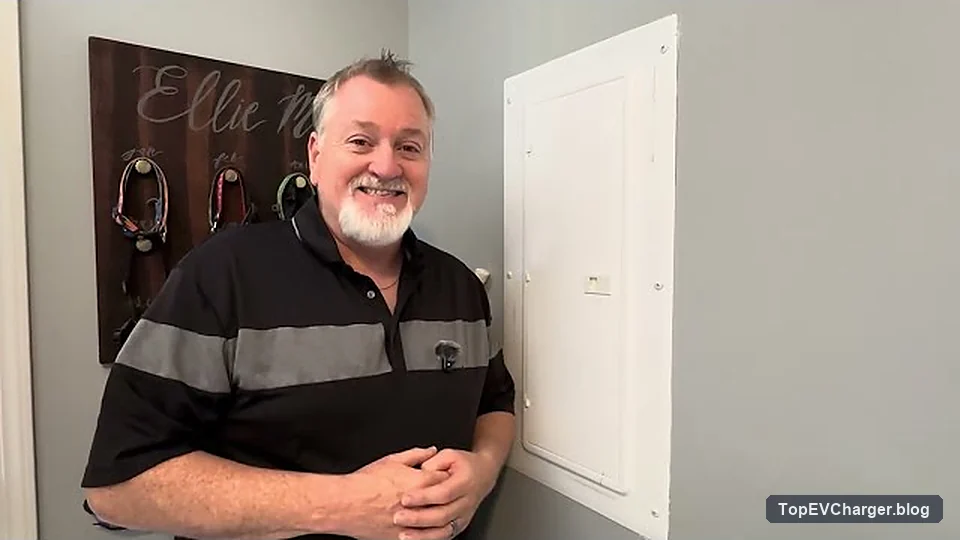
Connecting high-draw appliances to shared branch circuits invariably leads to thermal breaker trips. Electric vehicle supply equipment requires dedicated lines without auxiliary loads.
Assess total household energy consumption to ensure your main electrical panel possesses sufficient capacity. Older one-hundred-amp services frequently struggle with modern vehicle demands.
Upgrading to a two-hundred-amp service panel provides the robust headroom necessary for multiple heavy electrical appliances and chargers.
Monitor peak household demand periods to prevent unexpected main breaker trips during simultaneous appliance operations.
- Ensure the EV charger operates on a dedicated branch circuit.
- Calculate total home load using standard electrical formulas.
- Check main breaker rating against simultaneous appliance draws.
- Consider panel upgrades when total capacity sits near limits.
Assessing Main Service Panel Capacity Limits
Evaluating overall electrical service size prevents catastrophic overloads during peak usage hours. Professional load calculations factor in HVAC, water heaters, and vehicle charging.
Consult certified electricians to perform comprehensive load studies on your residential dwelling.
- Review utility smart meter data for peak demand trends.
- Calculate nameplate ratings of all major home appliances.
- Evaluate physical space available for new circuit breakers.
Dedicated Circuit Requirements for Charging Units
Shared circuits introduce voltage fluctuations and overload risks that trigger protective devices instantly. Dedicated wiring guarantees stable power delivery without interference.
Run separate metallic or PVC conduit directly from the panel to the charger location. If hardwiring isn't ideal, choose a verified portable plug-and-play unit to simplify daily garage charging routines.
- Never tap into existing laundry or garage outlet circuits.
- Use dedicated conduits to protect branch circuit wiring.
- Label dedicated breakers clearly inside the service panel.
Preventative Maintenance and Professional Intervention Protocols
Implementing regular inspection schedules prevents unexpected equipment failures and dangerous electrical anomalies. Routine checks catch minor wear before it causes system shutdowns.
Know when a diagnostic challenge exceeds DIY capabilities and requires a licensed electrician. Complex internal faults demand professional diagnostic meters and safety gear.
Maintaining clean connector ports and dry enclosures extends the operational lifespan of your residential charging equipment significantly.
Keep detailed records of all electrical maintenance, panel upgrades, and component replacements for future safety reference.
- Schedule annual professional electrical system inspections.
- Keep charging cables coiled neatly off damp garage floors.
- Test panel breaker trip mechanisms manually twice yearly.
- Know the exact location of the main service disconnect.
When to Call a Licensed Electrical Professional
Persistent tripping that resists basic troubleshooting requires expert diagnostic intervention. Electricians possess thermal imaging cameras to spot hidden internal faults.
Never attempt repairs inside live service panels without proper personal protective equipment.
- Call professionals if breakers feel excessively hot to touch.
- Engage certified experts for burning odors near panels.
- Use licensed contractors for all main service upgrades.
Routine Homeowner Inspection Checklists
Performing simple visual checks monthly helps maintain a safe charging environment. Look for fraying cables, cracked housings, and loose wall mounts.
Promptly address minor issues before they escalate into costly hardware replacements.
- Inspect cable jackets for cuts or abrasions regularly.
- Verify wall mounting brackets remain securely anchored.
- Check plug pins for accumulation of dirt or debris.
Frequently Asked Questions
Why does my EV charger trip the breaker instantly upon connection?
Instant trips usually indicate a hard short circuit or severe ground fault inside the plug or wiring. Always verify terminal integrity and consult an electrician before resetting.
Can an incompatible GFCI breaker cause immediate tripping?
Yes, dual protection between the breaker and internal charger filters creates conflicting leakage currents. Check manufacturer guidelines to ensure proper circuit protection compatibility across your setup.
Are loose electrical connections a common cause of breaker trips?
Loose terminal screws generate high resistance, localized heat, and immediate thermal tripping under load. Inspect and torque all panel lugs to exact manufacturer specifications regularly.
Do I need a dedicated circuit for my home EV charger?
Dedicated branch circuits prevent dangerous overloads caused by shared household appliances. Always install a separate line sized according to NEC continuous load standards.
When should I hire a professional electrician for charging issues?
Call a licensed expert if breakers feel hot, emit burning odors, or trip repeatedly. Professional electricians utilize thermal imaging tools to isolate hidden residential wiring faults.