Smart vs. Dumb Ev Charger: Which Fits Your Setup Better?
Modern EV charging infrastructure forces a choice between automated, networked appliances and stripped-down, reliable power delivery units. Understanding these architectural differences ensures you select hardware matching your daily driving and electrical demands.

For automated off-peak savings and precise load balancing, Smart chargers win decisively. If you prefer plug-and-play simplicity and zero software friction, the Dumb Ev Charger remains exceptionally reliable.
Compare all top models in our Best Ev Level 2 Charger.
Side-by-Side Breakdown
| Criteria | Smart | Dumb Ev Charger | Edge |
|---|---|---|---|
| Peak Performance & Output | Up to 48 Amps continuous | Up to 48 Amps continuous | Tie |
| Duty Cycle & Consistency | High thermal monitoring | Rugged basic relay design | Smart |
| Operating Noise & Vibration | Silent solid-state switching | Standard mechanical relay click | Smart |
| Portability & Footprint | Compact connected housing | Minimalist weatherproof casing | Dumb Ev Charger |
| Maintenance & Service Life | Requires firmware oversight | Set-and-forget longevity | Dumb Ev Charger |
| Power Requirements | Dedicated 240V circuit | Dedicated 240V circuit | Tie |
| Best Ideal Use-Case | Time-of-use rate optimization | Simple garage plug-in | Smart |
Defining the Core Mechanical and Electrical Differences
Traditional power units rely on direct circuit closure to deliver maximum current immediately upon vehicle connection. This straightforward electrical pathway minimizes internal component complexity and eliminates potential points of software failure.
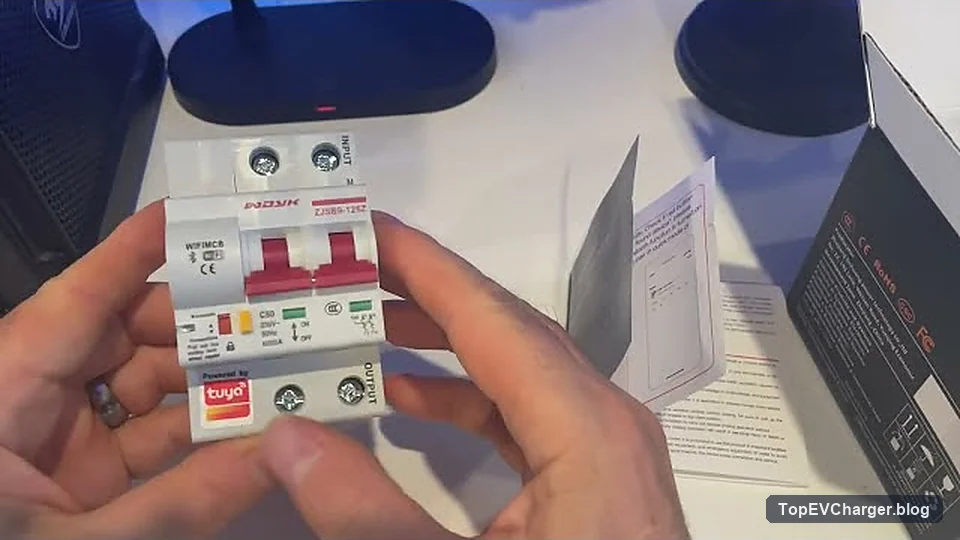
Connected variants integrate microcontrollers, Wi-Fi modules, and cellular telemetry right inside the NEMA-rated enclosure. These extra computing elements manage charging sessions remotely, tracking energy consumption down to the exact watt-hour.
Dumb units rely on basic contactor relays and manual plug-and-charge routines without microprocessors. They route raw AC power directly to the vehicle's onboard charger upon physical connection.
Smart variants integrate complex Wi-Fi modules, current transformers, and internal memory chips. These components demand slightly more parasitic standby power while continuously monitoring thermal thresholds and ground fault interruptions.
- Fixed-output power delivery without digital negotiation protocols.
- Onboard microprocessors enabling real-time telemetry tracking.
- Simplified contactor relays versus complex solid-state switching matrices.
Dissecting Internal Power Routing
Traditional units route heavy-gauge copper wiring straight from breakers through mechanical contactors. For robust connected alternatives, evaluate features in our Grizzl-E Smart charger review to monitor live amperage draws securely.
- Heavy-gauge copper wiring configurations.
- Live current transformer integration.
Analyzing Energy Efficiency and Load Management Protocols
Residential power grids experience peak demand spikes during evening hours when households consume maximum electricity. Smart variants interface with utility APIs to delay charging until grid loads subside significantly.
Basic units lack real-time grid awareness, meaning they pull maximum amperage the moment you plug in your vehicle. This continuous load can trigger home circuit breakers if other heavy appliances operate simultaneously.
Dumb chargers draw steady current until the vehicle signals completion, lacking any capability to leverage off-peak tariffs. They cannot throttle amperage dynamically during regional grid stress events.
Smart architectures communicate directly with utility signals via Open Charge Point Protocol standards. Engineering analysis found inside our SolarEdge smart EV charger review details automated load shedding capabilities that protect residential panels.
- Dynamic load management prevents costly main breaker trips.
- Automated scheduling aligns replenishment cycles with local utility rates.
- Unmanaged units draw continuous maximum current without throttling.
Dynamic Amperage Modulation
Advanced models adjust output dynamically by communicating with home energy monitoring sensors installed at your main electrical panel. This prevents total system overload without requiring expensive electrical upgrades.
- Real-time panel sensor communication.
- Automatic output throttling capabilities.
Installation Realities and Electrical Infrastructure Demands
Both hardware types generally require dedicated 240-volt circuits paired with appropriately sized copper cabling and heavy-duty breakers. However, networked units often demand robust Wi-Fi signal strength near your parking stall.
Installing connected equipment may involve configuring mobile applications, pairing Bluetooth credentials, and connecting to local routers. Traditional hardware eliminates digital setup entirely, requiring only physical mounting and terminal torque verification.
Both systems require dedicated NEMA 14-50 receptacles or hardwired circuits rated for continuous 48-amp loads. For instance, testing performed in our Emporia 48 Amp smart EV charger review highlights robust wireless signal requirements.
Electricians must verify proper grounding rod resistance and torque terminal blocks to exact manufacturer specifications. Improper torque on either charger type leads to dangerous thermal expansion and premature component failure.
- Dedicated 240-volt circuits required for both installation styles.
- Network connectivity checks needed for cloud-enabled hardware setups.
- Simplified physical-only commissioning for non-networked power units.
Circuit Protection and Wiring Standards
Professional electricians must ensure proper grounding and torque specifications regardless of your chosen charger type. Adhering strictly to local electrical codes prevents dangerous thermal events during prolonged high-amperage charging sessions.
- Strict adherence to national electrical codes.
- Proper terminal torque verification.
Software Integration, Connectivity, and Firmware Updates
Connected power equipment relies heavily on ongoing software support to maintain cybersecurity protocols and feature sets. Manufacturers push firmware patches over the air, addressing vulnerabilities and optimizing charging speeds remotely.
Non-networked alternatives operate entirely independent of cloud servers, eliminating privacy concerns and potential hacking vectors completely. Without digital interfaces, these devices cannot experience software bricking or connectivity dropouts during system updates.
Dumb hardware operates entirely offline, eliminating vulnerabilities to remote cyber attacks or failed software patches. Users manually adjust vehicle timers to control charging windows instead of relying on mobile apps.
Smart stations require stable 2.4GHz connections to push critical over-the-air updates and log session histories. Connectivity drops can occasionally lock the charging cable or delay scheduled energy delivery protocols.
- Over-the-air firmware updates enhance security and feature sets.
- Zero digital attack surface protects unmanaged offline hardware.
- Local smartphone applications provide granular session history reporting.
Evaluating Cybersecurity Risks
Internet-enabled garage hardware introduces potential digital vulnerabilities that demand regular security patch management. Offline charging equipment completely bypasses these risks by operating on closed, isolated circuits.
- Encryption protocols for connected devices.
- Completely air-gapped offline operation.
Durability, Environmental Ratings, and Hardware Longevity
Outdoor installation exposes charging hardware to extreme temperature fluctuations, heavy precipitation, and direct ultraviolet radiation. High-grade enclosures feature robust NEMA ratings to safeguard internal electronics from harsh weather elements.
Stripped-down units often feature fewer electronic components susceptible to heat degradation over extended operational lifespans. Meanwhile, modern smart hardware uses advanced thermal throttling to protect internal microchips from overheating during fast sessions.
Enclosures typically feature robust NEMA 4 ratings to withstand driving rain, dust, and extreme ambient temperatures in unconditioned garages. UV-resistant polycarbonate casings prevent yellowing over years of direct sunlight exposure.
Dumb units generally offer superior long-term hardware longevity due to having fewer sensitive microchips exposed to electrical transients. Simpler internal layouts mean fewer potential failure points over a decade of use.
- NEMA-rated enclosures protect internal components from moisture ingress.
- Thermal management systems prevent premature electronic component failure.
- Reduced circuit complexity enhances long-term hardware reliability metrics.
Weatherproofing and Thermal Tolerances
Both charger categories utilize rugged polycarbonate casings designed to withstand driving rain and freezing winter conditions. Ensuring proper cable management further prevents moisture accumulation inside the connector plug.
- Impact-resistant exterior housing materials.
- Sealed connector port protection.
Economic Realities and Long-Term Operating Costs
Initial purchase costs for connected equipment typically run higher due to advanced microprocessors and proprietary software licenses. However, these units frequently qualify for local utility rebates that offset the initial hardware premium.
Unmanaged charging units represent a lower upfront investment and require zero ongoing subscription fees or app management. Yet, failing to schedule sessions during off-peak hours can substantially increase your monthly electricity bills.
Upfront hardware expenses for dumb chargers are significantly lower, reducing initial capital outlays for budget-conscious homeowners. Yet, they forfeit valuable utility rebates that frequently subsidize smart infrastructure investments.
Smart chargers offset higher purchase prices by capturing time-of-use savings and tracking exact kilowatt-hour consumption for tax deductions or employer reimbursement programs. Operational savings compound substantially over multi-year ownership horizons.
- Higher upfront hardware expenses for cloud-connected charging equipment.
- Utility rebates offset initial investments in smart infrastructure.
- Elimination of ongoing subscription fees with traditional hardware.
Calculating Return on Investment
Analyzing your local utility provider's time-of-use pricing tiers helps determine whether smart scheduling will generate meaningful financial savings. Homes with flat-rate electricity structures see fewer monetary benefits from networked features.
- Time-of-use rate structure analysis.
- Long-term utility cost comparisons.
Determining the Ultimate Fit for Your Specific Garage
Choosing the correct device depends heavily on your daily driving habits, home electrical capacity, and utility rate structures. Homeowners with time-of-use electricity pricing benefit immensely from automated scheduling capabilities.
Conversely, secondary residences, rental properties, or simple plug-and-play workflows thrive on dependable unmanaged power delivery. Assess your specific lifestyle constraints before investing in complex garage charging infrastructure.
Select a dumb charger if your utility lacks time-of-use rates and your vehicle manages all scheduling natively. This approach prioritizes mechanical simplicity and maximum long-term reliability without software headaches.
Choose a smart alternative when managing multi-EV households or participating in demand-response programs requiring precise energy metering. Always audit your garage Wi-Fi coverage before mounting connected hardware.
- Match hardware capabilities to your daily commuting distance.
- Evaluate local utility rate structures for potential savings.
- Consider long-term property use before selecting charging gear.
Making Your Final Purchase Decision
Weigh your technical comfort level against potential energy savings before committing. If you prefer unmanaged hardware, browse our top recommendations inside the best non-smart EV charger guide for dependable daily operation.
- Technical comfort and app management preference.
- Vehicle compatibility and daily mileage needs.
Frequently Asked Questions
Do connected chargers require internet access to function properly?
No, most smart units will still initiate a standard charging session locally even without active Wi-Fi. However, you will temporarily lose remote scheduling and monitoring features.
Can traditional chargers be retrofitted with smart monitoring features later?
Adding external energy monitors to your electrical panel offers a reliable workaround without replacing the physical charger. Separate plug-in meters can also track cumulative kilowatt-hours consumed.
Do unmanaged charging units charge electric vehicles slower than smart ones?
No, both hardware types deliver identical amperage outputs when configured to the exact same circuit breaker rating. Charging speeds depend entirely on your vehicle's onboard inverter capacity.
Are connected chargers more vulnerable to cybersecurity breaches or hacking?
Any internet-connected appliance presents a potential digital attack surface for malicious actors. Manufacturers mitigate these risks by implementing robust encryption protocols and regular security patches.
Which charging option offers better long-term reliability in harsh weather?
Traditional hardware generally boasts fewer sensitive microchips that can fail under extreme temperature fluctuations. However, properly sealed smart enclosures perform reliably in demanding outdoor environments.