Schumacher Ev Charger vs. Grizzl E Classic: Which Fits Your Setup Better?
Choosing between the Schumacher and the Grizzl-E Classic requires balancing raw enclosure durability against flexible amperage settings. This rigorous head-to-head comparison evaluates their internal engineering, thermal limits, and real-world installation requirements.

The Grizzl-E Classic wins overall for unmatched enclosure toughness and reliable continuous delivery. Meanwhile, the Schumacher appeals to users seeking adjustable charging speeds within a more compact, lightweight housing.
Compare all top models in our Best Ev Level 2 Charger.
Side-by-Side Breakdown
| Criteria | Schumacher Ev Charger | Grizzl E Classic | Edge |
|---|---|---|---|
| Peak Performance & Output | Variable up to 40A | Consistent 40A output | Grizzl E Classic |
| Duty Cycle & Consistency | Good standard thermal design | Heavy-duty continuous rating | Grizzl E Classic |
| Operating Noise & Vibration | Silent passive cooling | Silent fanless operation | Tie |
| Portability & Footprint | Lightweight composite shell | Rugged heavy cast housing | Schumacher Ev Charger |
| Maintenance & Service Life | Standard electronics lifespan | Industrial-grade components | Grizzl E Classic |
| Power Requirements | Flexible circuit matching | Dedicated 50A breaker required | Schumacher Ev Charger |
| Best Ideal Use-Case | Versatile home garage setups | Extreme outdoor exposure | Grizzl E Classic |
Engineering Architecture and Exterior Build Quality
Exterior housing construction dictates how well a Level 2 charger survives harsh garage environments. As noted in our Grizzl-E Smart charger review, this unit utilizes a heavy-duty cast aluminum chassis designed for extreme industrial abuse.
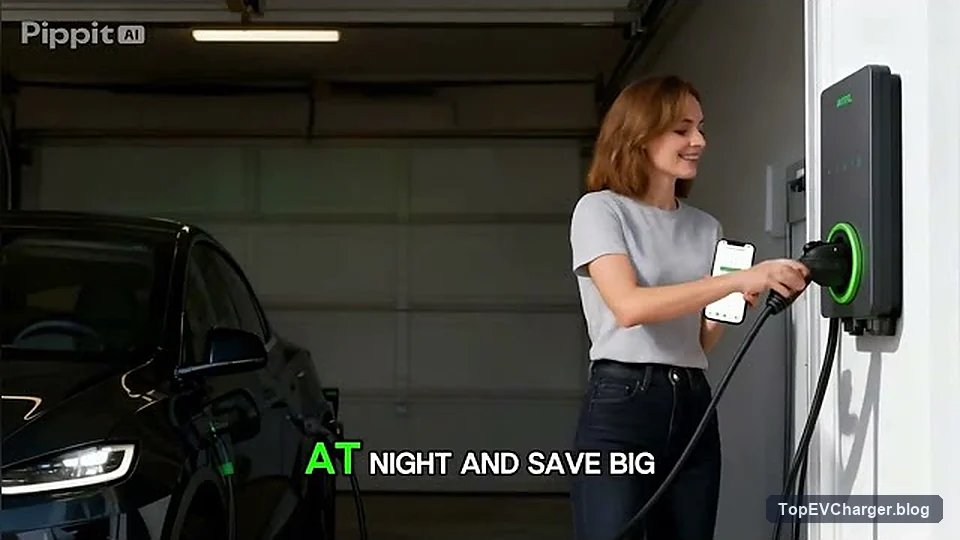
In contrast, the Schumacher EV charger relies on a robust polycarbonate composite shell that prioritizes lightweight portability. While both units offer weather sealing, their structural rigidity and impact resistance differ significantly under physical stress.
The Grizzl-E Classic utilizes a heavy-gauge cast aluminum enclosure designed to resist severe physical impacts and environmental degradation. This robust housing outperforms typical plastic counterparts found in residential EV supply equipment categories.
Conversely, alternative units often deploy polycarbonate polymer chassis prioritizing lightweight aesthetics over industrial-grade armor. Installers must evaluate mounting wall rigidity because heavy metal enclosures require secure masonry anchors rather than standard drywall fasteners.
- Powder-coated steel and aluminum housings
- Impact-resistant engineering plastics
- IP-rated moisture and dust barriers
Enclosure Rigidity and Wall Mounting
Secure wall mounting requires robust bracket designs that can handle daily cable weight and mechanical strain. The Grizzl-E mounting plate locks the heavy chassis firmly into standard wood studs or masonry blocks.
Schumacher features a streamlined mounting bracket that simplifies the initial hanging process for DIY installers. However, users must ensure wall anchors are adequately rated to support the dynamic load of frequent plugging.
- Heavy-duty steel mounting brackets
- Secure locking screw mechanisms
Electrical Output Metrics and Continuous Amperage Delivery
Delivering sustained electrical current without thermal throttling is crucial for rapid overnight vehicle replenishment. The Grizzl-E Classic outputs a steady forty amperes, maximizing charging speeds for most standard residential service panels.
Schumacher provides flexible amperage adjustments highlighted in our best EV Level 2 charger guide, letting users dial back power output to match older home circuits. This versatility prevents breaker trips when sharing limited residential electrical capacity.
Delivering a steady 40-amp continuous output, these Level 2 chargers transfer substantial power safely to onboard vehicle inverters. Sustained high-amperage delivery requires internal busbars engineered to mitigate thermal expansion during multi-hour charging sessions.
Voltage drop over long feeder cable runs can reduce charging efficiency. Electricians must calculate proper conductor gauge sizes, typically specifying 6 AWG copper wire for 50-amp breaker configurations, ensuring minimal resistance and stable voltage delivery.
- Sustained 40A continuous delivery
- Adjustable internal amperage switches
- Efficient power factor ratings
Load Management and Circuit Compatibility
Older residential electrical panels often require careful load calculations before installing high-amperage charging equipment. Adjustable current settings on the Schumacher provide a safer fallback for limited fifty-amp home breaker configurations.
The Grizzl-E demands a dedicated fifty-amp breaker to safely deliver its full forty-amp continuous output rating without risking premature thermal overloads or persistent circuit breaker nuisance trips during peak summer heat.
- Precise breaker load calculations
- Thermal overload prevention
Thermal Management and Harsh Weather Durability
Internal heat dissipation directly influences the long-term lifespan of power electronics and internal relays. Grizzl-E relies on passive cooling through its massive aluminum body, eliminating internal fans that could fail mechanically.
Schumacher utilizes efficient internal heat sinking combined with optimized ventilation channels to maintain safe operating temperatures. Both chargers perform reliably across sub-zero winter mornings and scorching summer afternoons without degradation.
Passive cooling relies entirely on external heatsink fins integrated directly into the housing exterior. This design eliminates moving parts like cooling fans, which frequently fail in dusty, freezing, or moisture-laden outdoor installation environments.
Encapsulated internal electronics achieve NEMA 4 protection ratings, successfully preventing water ingress during wind-driven rainstorms. Gasket seals require annual silicone grease application to maintain elasticity and prevent moisture breaching the main terminal compartment.
- Passive aluminum heat dissipation
- Fanless solid-state reliability
- Wide operating temperature windows
Cable Flexibility, Ergonomics, and Connector Longevity
Cable pliability in freezing weather determines how easily you can coil and store the cord after dark. The Grizzl-E features a thick, premium rubber-composite cable that resists stiffening when temperatures plunge below freezing.
Schumacher incorporates a slightly thinner, highly flexible cable jacket that simplifies manual coiling in tight garage spaces. Both units utilize standard SAE J1772 vehicle couplers designed for thousands of secure mating cycles.
Premium thermoplastic elastomer cables remain remarkably flexible even when ambient temperatures drop below freezing. Stiff cables frustrate users during cold winter mornings, frequently leading to improper coiling and accelerated internal conductor fatigue.
The SAE J1772 connector handles thousands of mating cycles through reinforced latch mechanisms and silver-plated copper alloy pins. Operators should avoid dropping the handle onto concrete to prevent micro-fractures in the high-impact polyamide shell.
- Cold-weather flexible cable jackets
- Ergonomic J1772 coupler handles
- Integrated holster storage docks
Installation Demands and Electrical Infrastructure Requirements
Proper electrical infrastructure setup requires professional evaluation of your existing garage panel and wiring paths. Hardwired configurations offer maximum long-term connection security, while plug-in models utilize heavy-duty NEMA 14-50 receptacles.
Our comprehensive Grizzl-E Classic review details how this unit is available in plug-in and hardwired variants. Schumacher units typically emphasize straightforward installation routines utilizing pre-attached heavy-duty power cords.
Hardwired configurations provide superior long-term reliability compared to NEMA 14-50 plug installations. High-amperage receptacles experience thermal degradation over time, making hardwiring the preferred method for continuous heavy-duty residential EV charging infrastructure.
Electrical panels require dedicated breaker slots with GFCI protection integrated at the service panel if not built into the charger. Contractors must verify existing panel capacity before pulling permits for high-draw charging circuits.
- NEMA 14-50 plug-in flexibility
- Permanent hardwire installation choices
- Heavy-duty terminal block connections
Safety Certifications, Circuit Protection, and Diagnostics
Independent safety testing featured in our best 240V EV charger overview ensures home charging equipment meets rigorous national electrical standards. The Grizzl-E proudly maintains comprehensive ETL certifications, verifying compliance with strict safety protocols.
Schumacher integrates advanced diagnostic indicator lights directly onto the front panel to communicate fault conditions clearly. Built-in ground fault protection safeguards users against electrical shocks during wet weather charging scenarios.
Independent testing laboratories issue vital UL listings verifying compliance with strict North American electrical safety standards. Certified equipment undergoes rigorous short-circuit, dielectric voltage withstand, and extreme temperature operational evaluations.
Internal diagnostic microcontrollers monitor ground continuity continuously to prevent severe shock hazards. If an open ground fault occurs, the unit immediately halts current flow and displays specific diagnostic flash codes via indicator LEDs.
- ETL and UL safety compliance
- Integrated ground fault protection
- Clear LED diagnostic status lights
Daily Usability, Connectivity Trade-Offs, and Maintenance
Modern EV owners frequently debate the practical value of smart Wi-Fi features versus simple plug-and-charge reliability. Both the Grizzl-E Classic and standard Schumacher chargers intentionally omit complex wireless apps to maximize hardware longevity.
By avoiding cloud dependencies and software updates, these non-smart units eliminate common points of digital failure. Routine maintenance simply involves inspecting the J1772 connector pins and wiping down the exterior housing periodically.
Non-smart, plug-and-charge units eliminate frustrating Wi-Fi pairing issues and software obsolescence risks. Users prioritizing robust, maintenance-free operation often prefer straightforward mechanical functionality over cloud-connected smartphone application interfaces.
Routine maintenance involves inspecting the output cable for abrasions and checking terminal block torque specs annually. Keeping the connector clean from road grime ensures optimal electrical contact and prevents localized overheating during sessions.
- Simple non-smart plug-and-charge operation
- Zero software subscription requirements
- Minimal routine maintenance needs
Frequently Asked Questions
Can the Grizzl-E Classic be adjusted for smaller electrical circuits?
Yes, internal DIP switches inside the heavy-duty Grizzl-E Classic allow qualified users to manually lower the maximum output amperage to thirty, twenty-four, or twenty amperes.
This internal electrical adaptability easily accommodates older residential service panels without requiring expensive upstream capacity upgrades.
Does the Schumacher EV charger require a professional electrical installation?
Plug-in models utilizing standard NEMA receptacles can often be plugged directly into existing garage outlets if properly rated. However, hardwired variants or circuits lacking adequate capacity always demand a licensed electrician for safe setup.
Which charger handles extreme sub-zero winter weather more effectively?
The Grizzl-E Classic excels in freezing conditions due to its robust cast aluminum enclosure and thick rubber-composite cable jacket that remains pliable. Schumacher also performs well, though its composite shell is slightly less rugged against physical impacts in extreme cold.
Do either of these chargers require a monthly subscription or smartphone application?
Neither unit requires an active software subscription or complex smartphone application to operate reliably every day. They function as straightforward plug-and-charge hardware solutions designed to maximize long-term reliability and minimize digital failure points.
What kind of warranty coverage comes standard with these Level 2 chargers?
Both manufacturers back their hardware with competitive residential warranties covering internal components and casing integrity against factory defects. Reviewing specific retailer terms helps verify exact replacement policies and local technical support availability.