Portable vs. Wall Mounted Level 2 Charger: Which Fits Your Setup Better?
Choosing between a mobile unit and a hardwired station dictates your daily charging reliability. Evaluating thermal tolerances and infrastructure limits ensures safe power delivery.


For ultimate garage reliability, the wall-mounted hardwired unit wins decisively. If you frequently travel or relocate, a high-output portable level 2 charger provides unmatched versatility.
Compare all top models in our Best Ev Level 2 Charger.
Side-by-Side Breakdown
| Criteria | Portable | Wall Mounted Level 2 Charger | Edge |
|---|---|---|---|
| Peak Performance & Output | Up to 32A (7.7kW) via plug | Up to 48A-50A (11.5kW-12kW) hardwired | Wall Mounted |
| Duty Cycle & Consistency | Moderate thermal throttling risk | Continuous duty rated at full load | Wall Mounted |
| Operating Noise & Vibration | Silent passive convection cooling | Silent or minimal fan hum | Portable |
| Portability & Footprint | Stows easily in trunk or bag | Permanent wall footprint, secure | Portable |
| Maintenance & Service Life | Receptacle wear requires checks | Sealed enclosure, minimal physical wear | Wall Mounted |
| Power Requirements | NEMA 14-50 or 6-50 outlet | Dedicated 60-amp circuit hardwired | Wall Mounted |
| Best Ideal Use-Case | Road trips and secondary homes | Primary residential daily commuting | Wall Mounted |
Architectural Differences and Core Engineering Specifications
Portable Level 2 units integrate control boxes directly into flexible cable assemblies, using standard heavy-duty plugs like the NEMA 14-50, similar to options reviewed in our best Level 2 charger for Jeep 4xe guide.
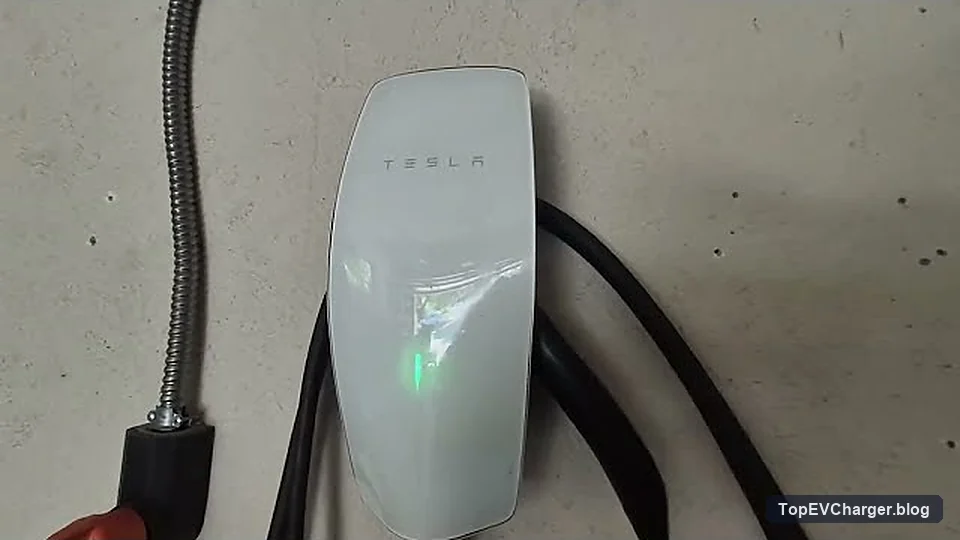
Conversely, wall-mounted chargers use rigid enclosures anchored securely to structural studs. Hardwired configurations eliminate intermediate plug connections, optimizing electrical conductivity and reducing potential high-resistance thermal hotspots.
Portable units integrate control pilot circuitry directly inline, whereas hardwired wall units house microprocessor boards within NEMA-rated enclosures. This split impacts continuous duty cycle thresholds and internal thermal dissipation management significantly.
Wall-mounted variants utilize heavier-gauge copper busbars to handle 48-amp continuous loads, minimizing internal resistance. Conversely, portable EVSE models rely on flexible wiring harnesses that require strict adherence to national electrical code de-rating rules.
- Integrated control boxes versus rigid wall enclosures.
- Standard plug reliance versus direct circuit hardwiring.
- Cable flexibility and physical footprint variations.
The Hybrid Units Bridging Both Categories
Certain modern engineering designs feature quick-release wall brackets paired with detachable mobile cables. This approach offers dual functionality without compromising safety standards or maximum amperage output thresholds.
- Quick-release bracket mechanisms.
- Detachable mobile cabling options.
Electrical Load Capacities and Thermal Performance Under Daily Use
Wall-mounted units routinely deliver continuous currents up to 48 amperes, maximizing residential panel capacities safely. Portable variants typically cap out at 32 amperes to prevent stressing standard consumer outlets.
Thermal management dictates sustained charging speeds during hot summer conditions. Permanent wall stations utilize massive internal heat sinks, whereas portable bricks rely entirely on ambient air convection.
Daily charging cycles generate substantial heat at plug interfaces, making thermal monitoring sensors inside the plug housing critical. If temperatures exceed 75 degrees Celsius, smart chargers automatically throttle current to prevent thermal runaway.
Hardwired units eliminate plug-to-outlet resistance points entirely, sustaining full Level 2 amperage without degrading contact pins over years of repetitive plugging cycles, as highlighted in our best home Level 2 chargers roundup.
- Sustained amperage outputs up to 48A.
- Thermal dissipation via large aluminum heat sinks.
- Ambient air convection limits on portable units.
Installation Realities and Physical Infrastructure Demands
Installing a permanent wall charger requires dedicated electrical circuit planning and professional breaker installation. Electricians run heavy-gauge copper wiring directly to circuit breaker panels to handle continuous loads.
Portable chargers simply plug into pre-existing heavy-duty dryer or RV receptacles inside garages. However, these legacy outlets often lack the heavy-duty clamp pressure needed for frequent insertion cycles.
Installing a dedicated circuit requires heavy THHN copper conductors routed through rigid metallic conduit directly to your main electrical panel. Torque specifications on breaker lugs must be verified using a calibrated wrench to prevent arcs.
Portable chargers plugged into NEMA 14-50 receptacles demand industrial-grade outlets rated for frequent insertions. Residential-grade dryer outlets will quickly melt under the continuous multi-hour thermal stress imposed by modern electric vehicle charging.
- Professional dedicated circuit breaker integration.
- Heavy-gauge copper wiring requirements.
- Reliance on pre-existing heavy-duty garage receptacles.
Evaluating Portability Metrics Versus Permanent Setup Convenience
Road warriors and apartment renters rely heavily on portable units to charge across diverse locations. Stowing the device in your trunk provides mobile energy security during unexpected long-distance driving trips.
Permanent wall systems remove daily cable unwinding hassles from your residential routine. Hanging the tether neatly on an integrated holster ensures immediate plug-in convenience every single evening.
Transporting a portable EVSE in your trunk exposes sensitive electronics to severe vibration profiles and temperature swings. Repeated coiling of stiff cables in freezing weather rapidly compromises outer thermoplastic elastomer insulation integrity.
Permanent wall units provide unmatched daily convenience with integrated cable management hooks, while our guide on protecting outdoor chargers details how to shield hardware from direct sun exposure.
- Trunk storage readiness for road trips.
- Elimination of daily setup and teardown chores.
- Integrated holster management for clean cable storage.
Shared Failure Modes and Receptacle Stress Mitigation Strategies
The primary failure point for portable chargers involves excessive mechanical strain on wall receptacles. Heavy control boxes pull downward, degrading internal spring contacts and accelerating thermal oxidation risks.
Mitigating this degradation requires installing heavy-duty industrial grade outlets and physical cable support brackets. Wall-mounted units bypass this exact vulnerability entirely through rigid structural anchoring and strain relief.
Ground fault interruption faults often stem from moisture ingress in outdoor outlet boxes or degraded spring tension inside NEMA receptacles. Routine inspections help catch hairline cracks before catastrophic failure occurs within the circuit loop.
Mitigating receptacle stress requires installing robust metal enclosures and applying dielectric grease to terminal blades. This practice reduces oxidation rates and prevents micro-arcing during high-amperage transfer sessions in humid garage environments.
- Mechanical strain on legacy wall receptacles.
- Internal spring contact degradation and oxidation.
- Industrial-grade outlet upgrades and physical support hooks.
Buyer Decision Framework Across Six Distinct Lifestyle Profiles
Homeowners with dedicated parking spots benefit most from permanent, hardwired wall systems. Conversely, renters or frequent travelers require the unmatched versatility of a weather-resistant portable charging brick.
Multi-EV households often combine one wall unit with a secondary portable cable for guests. Assessing your driving mileage and housing tenure clarifies the optimal equipment investment.
Apartment renters and frequent travelers benefit immensely from dual-voltage portable units that adapt to existing 240-volt dryer plugs or standard 120-volt household outlets without requiring costly electrical service upgrades or landlord approvals.
Multi-car suburban households requiring rapid overnight turnaround times should prioritize hardwired wall chargers delivering maximum amperage safely, bypassing vulnerable plugs entirely for seamless, maintenance-free everyday residential vehicle replenishment.
- Homeowners seeking fast, permanent charging speeds.
- Renters needing detachable mobile hardware.
- Multi-vehicle households balancing flexibility and speed.
Final Engineering Verdict and Long-Term Value Assessment
Selecting the right hardware depends entirely on your daily commuting distance and residential stability. Prioritizing long-term durability points directly toward a hardwired wall station for maximum peace of mind.
Weighing upfront electrical installation costs against long-term convenience guides your final purchasing decision. Both categories provide essential refueling capabilities when matched with appropriate circuit capacities.
Choosing between portable and wall-mounted hardware depends on balancing installation permanence against travel needs, as noted in our Lectron portable EV charger review, keeping safety and thermal limits central to your investment.
While portable models offer versatile emergency utility, permanent wall units represent the gold standard for dedicated home charging durability, minimizing electrical resistance and ensuring reliable performance over a decade of continuous daily operation.
- Daily commuting distance and energy needs.
- Residential stability and housing tenure considerations.
- Upfront electrical installation versus mobile convenience.
Frequently Asked Questions
Can I leave a portable EV charger plugged into an outdoor wall outlet permanently?
Leaving a portable Level 2 EV charger plugged into an outdoor wall outlet permanently exposes sensitive internal electronics to severe moisture infiltration and harsh daily thermal cycling risks.
Weatherproof industrial enclosures help mitigate elemental damage, but dedicated wall-mounted units still provide vastly superior long-term reliability for exposed exterior residential vehicle charging installations.
Will using a portable charger at maximum amperage damage my household electrical wiring?
Standard residential branch electrical circuits easily handle continuous power loads if they are properly installed by certified electricians using high-quality heavy-gauge copper wiring.
Professional electrical infrastructure inspections ensure your home wiring safely supports peak portable current draws without ever overheating branch circuit insulation, tripping breakers, or degrading legacy terminal connections.
Do wall-mounted chargers require a professional electrician for safe installation?
Hardwiring a permanent residential vehicle charging station directly into your main residential electrical service panel demands certified professional electrician expertise for safe everyday operation.
Licensed electrical contractors guarantee full compliance with strict local building codes and ensure adequate circuit breaker sizing for maximum operational safety under continuous heavy electrical loads.
Can I take a wall-mounted charger with me if I decide to move homes?
Permanent wall-mounted units are securely hardwired and bolted directly to structural building studs, making future equipment relocation labor-intensive and requiring professional electrician disconnection and removal services.
Portable mobile chargers offer vastly superior flexibility for apartment renters and frequent travelers who anticipate moving to new residential properties across the coming years.
What is the main cause of premature failure in portable level 2 EV charging cables?
Excessive mechanical bending strain placed directly upon residential garage wall receptacles and sustained thermal heat accumulation at the heavy plug interface drive most premature hardware equipment failures.
Industrial-grade heavy-duty receptacle upgrades effectively prevent accelerated mechanical wear and catastrophic thermal breakdown during routine daily high-amperage residential vehicle charging sessions.