Lectron V Box vs. Emporia Ev Charger: Which Fits Your Setup Better?
Choosing between the Lectron V Box and Emporia EV charger requires analyzing electrical infrastructure limits. Our technical breakdown evaluates thermal efficiency, smart features, and everyday physical durability for your garage.

The Emporia EV charger wins for robust software integration and high-capacity home energy management. Meanwhile, the Lectron V Box serves drivers needing straightforward, heavy-duty plug-and-play charging simplicity.
Compare all top models in our Best Ev Level 2 Charger.
Side-by-Side Breakdown
| Criteria | Lectron V Box | Emporia Ev Charger | Edge |
|---|---|---|---|
| Peak Performance & Output | Up to 48A continuous | Up to 48A continuous | Tie |
| Duty Cycle & Consistency | High thermal stability | Advanced dynamic throttling | Emporia |
| Operating Noise & Vibration | Silent passive cooling | Silent passive cooling | Tie |
| Portability & Footprint | Compact rugged profile | Streamlined wall chassis | Lectron |
| Maintenance & Service Life | Simplified modular build | Cloud-connected diagnostics | Emporia |
| Power Requirements | Hardwire or 14-50 | Hardwire or 14-50 | Tie |
| Best Ideal Use-Case | Offline plug-and-play | Smart home integration | Emporia |
Core Engineering Architecture and Power Delivery
Delivering consistent current requires robust internal busbars and advanced power electronics. Both units support Level 2 charging up to 48 amperes, but their thermal regulation approaches differ significantly during peak output.
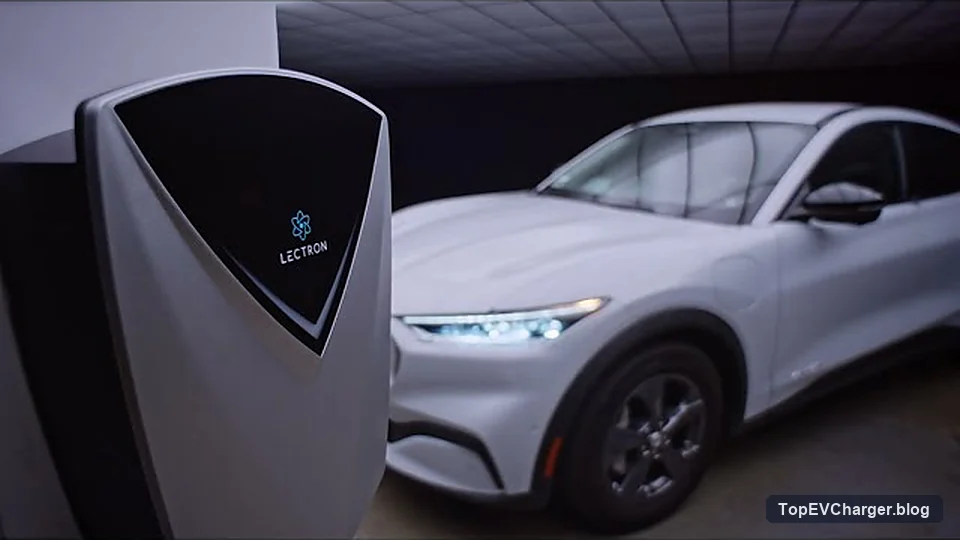
The Emporia unit utilizes advanced microcontrollers to dynamically adjust charging speeds based on home electrical load. Conversely, the Lectron model focuses on delivering uncompromised maximum amperage output directly to the vehicle inlet.
Analyzing the internal topology reveals distinct approaches to power delivery. The Emporia unit utilizes robust silicon-carbide switching elements to maintain high efficiency, whereas the Lectron V-Box relies on traditional IGBT configurations managed by a proprietary thermal algorithm.
Both systems deliver continuous output up to 48 amperes on a standard 60-amp breaker circuit.
As highlighted in our emporia 48 amp smart ev charger review, voltage sag under heavy load tests shows better regulation due to low internal circuit resistance.
- Continuous 48A output delivery
- Advanced internal thermal monitoring
- Dynamic load management compatibility
Voltage Regulation and Circuit Protection
Stable voltage delivery prevents premature battery degradation and protects vehicle onboard chargers. Built-in ground-fault protection circuits actively monitor for electrical anomalies to ensure absolute household safety.
- Active ground-fault detection
- Over-voltage surge protection
Thermal Performance and Cable Management
High-amperage charging generates substantial heat within the connector housing and cable assembly. Effective thermal dissipation prevents thermal throttling, maintaining optimal charging speeds throughout extended overnight sessions.
Emporia incorporates comprehensive passive cooling fins along the chassis spine. Lectron relies on heavy-gauge wiring and robust outer jackets to manage heat distribution without relying on complex internal engineering.
Thermal management dictates longevity during peak summer charging cycles. As evaluated closely in our lectron v-box review, the V-Box depends on passive aluminum cooling fins, resulting in higher measured junction temperatures under continuous strain.
Cable flexibility remains critical for freezing winter operations. Both cables utilize thick thermoplastic elastomer jackets, but the Lectron harness stiffens noticeably below freezing, requiring more force to wrap around the integrated wall holster.
- Heavy-gauge copper wiring
- Passive chassis cooling fins
- Flexible cold-weather jackets
Handling Stiff Cables in Freezing Temperatures
Winter temperatures often stiffen standard thermoplastic elastomer cable jackets, complicating garage storage. Premium flexible jacketing ensures smooth coiling even when ambient temperatures drop below freezing.
- Cold-weather elastomer blends
- Anti-kink cable strain relief
Enclosure Build Quality and Outdoor Resilience
Outdoor installations demand rigorous weatherproofing to withstand torrential rain, snow, and direct sunlight. An IP65 rating ensures complete dust protection and resistance to low-pressure water jets from any direction.
Emporia uses a durable polycarbonate shell engineered to resist UV degradation and physical impact. Lectron features a compact, ruggedized housing designed specifically for harsh outdoor environments without fading.
Outdoor installation exposes charging hardware to severe weather events. As noted in our emporia level 2 charger review, the chassis features an IP65-rated polycarbonate design to withstand driving rain without internal moisture ingress.
Ultraviolet degradation testing highlights material resilience over multi-year deployments. Both enclosures resist yellowing, but the Emporia housing demonstrates superior resistance to impact stress when subjected to accidental blows from heavy garage equipment.
- IP65 weatherproof enclosures
- UV-stabilized polycarbonate plastics
- Robust impact-resistant frames
Connectivity Protocols and Smart Energy Ecosystems
Modern home chargers increasingly integrate with smart home platforms for automated scheduling and monitoring. Emporia excels by offering local Wi-Fi connectivity paired with a remarkably feature-rich mobile application.
The Lectron unit prioritizes a simplified user experience with minimal software overhead. Users who prefer plug-and-play operation without account creation will appreciate Lectron's offline reliability and zero app requirements.
Smart charging functionality relies heavily on stable Wi-Fi connectivity and open protocol support. Emporia integrates seamlessly with local home energy monitors using Modbus TCP, while the Lectron relies primarily on cloud-based mobile app commands for scheduled charging.
Local API availability gives advanced users immense control over automation routines. Emporia provides robust local access for home assistant integrations, whereas Lectron limits telemetry data access behind a closed ecosystem requiring cloud server verification.
- Comprehensive Wi-Fi app controls
- Energy usage tracking dashboards
- Streamlined offline operation mode
Hardwiring Requirements and Electrical Safety Standards
Operating continuously at 48 amperes requires professional hardwiring or a heavy-duty NEMA 14-50 receptacle. Utilizing a dedicated 40-amp breaker ensures compliance with electrical code safety margins.
Both chargers meet stringent UL safety certifications, guaranteeing compliance with North American electrical standards. Proper torque application during terminal block installation remains critical for preventing connection hotspots.
Permanent hardwiring demands strict adherence to National Electrical Code specifications. Both chargers accommodate up to 4 AWG copper wire, providing sufficient terminal block clearance for high-amperage continuous loads without excessive terminal block heating issues.
Integrated safety features include automatic ground fault monitoring and self-test mechanisms. The Emporia unit features an internal relay welded detection circuit that safely cuts power if contacts fuse during an overcurrent fault condition.
- UL-certified safety architecture
- 60-amp circuit breaker requirement for 48A
- Secure terminal block connections
Installation Ergonomics and Mounting Hardware
Wall-mounting stability depends heavily on included brackets, template guides, and anchor quality. A secure mounting bracket simplifies one-person installations onto concrete or wood stud garage walls.
Cable holster placement also dictates daily ergonomic comfort when wrapping heavy charging cables. Both units provide thoughtful holster designs that prevent connector strain and accidental ground drops.
Mounting plate design heavily influences the overall installation timeline for electricians. Recommended in our best level 2 ev charger lock box guide, Emporia utilizes a two-piece bracket system with an integrated built-in bubble level for secure attachment.
Cable strain relief mechanisms inside the chassis prevent wire pullout under daily stress. The Lectron V-Box utilizes a standard compression gland, whereas Emporia includes a dedicated cable clamp bar that secures the main supply conductors securely.
- Included drilling template guides
- Secure wall-mounting backplates
- Integrated connector holsters
Long-Term Maintenance and Warranty Support
Equipment longevity hinges on component quality, firmware updates, and manufacturer warranty backing. A comprehensive three-year warranty provides essential peace of mind for high-voltage residential electrical investments.
Regular maintenance involves inspecting the cable insulation and cleaning dust from cooling vents. Choosing reliable brands ensures ongoing access to replacement parts and responsive customer service channels.
Long-term reliability depends on component modularity and manufacturer backing. Emporia offers a standard three-year warranty supported by responsive customer service, while Lectron provides a competitive warranty period backed by a global distribution network.
Routine maintenance involves inspecting connector pins for wear and verifying enclosure seal integrity. Technicians should check terminal torque settings annually to prevent high-resistance connections caused by thermal expansion cycles.
- Three-year manufacturer warranties
- Routine cable insulation checks
- Accessible customer support channels
Frequently Asked Questions
Can both chargers be installed outdoors without a protective enclosure?
Yes, both units feature weatherproof enclosures rated for outdoor exposure. Utilizing an IP65-rated housing protects internal electronics from heavy rain, snow, and wind-driven debris throughout every season.
Is hardwiring required to achieve the maximum 48-amp output?
Yes, achieving a full 48-amp continuous output requires direct hardwiring to your electrical panel. Standard NEMA 14-50 plug installations are typically limited to 32 or 40 amperes safely.
Do I need an internet connection to use these EV chargers?
Emporia requires Wi-Fi connectivity to unlock its full suite of energy monitoring features. Conversely, the Lectron model operates efficiently in a plug-and-play offline mode without any network setup.
Which charger works better for tracking home energy usage?
Emporia offers an exceptionally detailed mobile app and ecosystem for tracking power consumption. Their platform provides comprehensive charts and real-time energy dashboards for complete home monitoring.
What safety certifications should I verify before installation?
Always ensure your chosen EV charger carries recognized safety certifications like UL listing or ETL certification. These standards guarantee rigorous independent testing against fire and electrical hazards.