Juicebox Pro 32 vs. 40: Which Fits Your Setup Better?
Choosing the right residential electric vehicle supply equipment requires balancing electrical supply limits and vehicle acceptance rates. Our engineering analysis breaks down the differences between these two Enel X charging units.


The Juicebox Pro 40 wins for future-proofed residential charging speeds and maximum amperage delivery. Choose the Juicebox Pro 32 only if your home electrical panel restricts continuous amperage draw.
Compare all top models in our Best Ev Level 2 Charger.
Side-by-Side Breakdown
| Criteria | Juicebox Pro 32 | 40 | Edge |
|---|---|---|---|
| Peak Performance & Output | 32 Amps / 7.7 kW | 40 Amps / 9.6 kW | Juicebox Pro 40 |
| Duty Cycle & Consistency | High thermal stability | High thermal stability | Tie |
| Operating Noise & Vibration | Silent solid-state design | Silent solid-state design | Tie |
| Portability & Footprint | Compact wall mount | Compact wall mount | Tie |
| Maintenance & Service Life | Weather-resistant casing | Weather-resistant casing | Tie |
| Power Requirements | 40 Amp breaker minimum | 50 Amp breaker minimum | Juicebox Pro 32 |
| Best Ideal Use-Case | Restricted home panels | Maximum overnight range | Juicebox Pro 40 |
Core Hardware Specifications and Amperage Output
Evaluating home charging hardware demands a clear understanding of continuous delivery limits. The Juicebox Pro 32 supplies thirty-two amps, while the larger unit outputs forty amps of steady current.
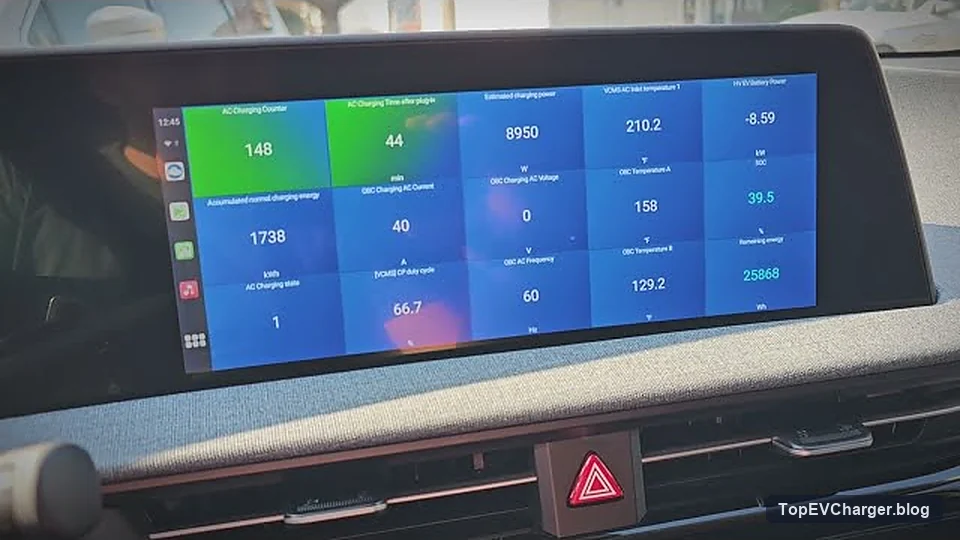
Continuous electrical loads require robust internal components to handle sustained thermal stress. Both models utilize similar circuit designs, but the higher amperage variant demands greater thermal management inside the enclosure.
Output current directly dictates how rapidly your electric vehicle battery replenishes energy overnight. Selecting the correct rating prevents unnecessary electrical service upgrades while maximizing your daily driving range recovery.
The JuiceBox Pro 32 delivers a continuous output of 32 amperes (7.7 kilowatts), similar to hardware analyzed inside our juicebox pro 40 review, perfectly suiting standard residential panels.
Stepping up to the JuiceBox Pro 40 unlocks a maximum delivery of 40 amperes, providing nearly 9.6 kilowatts. This extra headroom reduces full-charge cycles significantly for larger battery packs found in modern electric trucks.
Internal thermal management systems in both variants monitor internal component temperatures continuously. If ambient conditions exceed safe thresholds, the hardware automatically throttles current to protect the integrated charging relays.
- Delivers consistent electrical output under heavy residential demand loads.
- Utilizes advanced internal thermal monitoring to prevent overheating issues.
- Matches standard household electrical panel capacities efficiently across regions.
Assessing Daily Charging Speeds
Delivering forty amps translates to roughly ten miles of range per hour of charging. Stepping down to thirty-two amps reduces hourly range recovery proportionally based on vehicle efficiency.
- Hourly range recovery varies by vehicle onboard charger capacity.
- Higher amperage significantly reduces total overnight replenishment time.
Electrical Infrastructure and Conductor Requirements
Installing either charging unit safely requires strict adherence to the National Electrical Code. Hardwired configurations demand three dedicated copper conductors rated appropriately for continuous heavy loads.
When utilizing a NEMA 14-50 receptacle, your circuit breaker sizing remains critical. A thirty-two amp unit safely operates on a forty amp breaker, whereas the forty amp model requires a fifty amp breaker.
Voltage drop calculations become essential if your subpanel sits far from the installation spot. Thicker wire gauges prevent excessive heat buildup and ensure voltage stability during long charging sessions.
Installing a JuiceBox Pro 32 safely demands a dedicated 40-amp circuit breaker and heavy copper wiring, much like the equipment detailed in our ford charge station pro review for higher loads.
The higher demands of the JuiceBox Pro 40 necessitate a robust 50-amp branch circuit. Electricians must run thicker gauge conductors, typically size 6 AWG copper, to minimize voltage drop over extended conduit runs.
Both hardware configurations require a solid equipment grounding conductor terminated correctly inside the service panel. Omitting this crucial safety path invalidates manufacturer warranties and compromises local electrical code compliance entirely.
- Requires certified electrical permits for safe residential integration.
- Copper wire gauge selection depends directly on circuit breaker amperage.
- Proper grounding protects sensitive vehicle electronics from power surges.
Hardwired Versus Plug-In Safety
Hardwiring eliminates potential failure points associated with mechanical wall receptacles and plug prongs. Permanent wiring connections offer superior long-term reliability in harsh outdoor or garage environments.
- Removes thermal vulnerabilities inherent in standard plug receptacles.
- Provides a permanent and tamper-resistant residential setup.
Vehicle Compatibility Analysis Across Popular Models
Modern electric vehicles feature varying onboard charger limits that dictate maximum intake speeds. Matching your supply equipment to your vehicle acceptance rate prevents wasted electrical capacity and unnecessary expenses.
High-performance sedans feature robust onboard chargers accepting high current easily, a dynamic explored further in our juicebox 32 review. Checking your vehicle manual ensures you avoid purchasing excess unusable amperage.
Entry-level electric sedans and compact crossovers often limit their onboard alternating current acceptance rates. Pairing these efficient runabouts with either charger variant yields identical replenishment speeds because the vehicle onboard charger acts as the bottleneck.
Heavy-duty electric SUVs featuring massive battery capacities leverage the extra amperage of the 40-amp unit effectively. Owners gain several hours of charging time reduction overnight compared to utilizing the lower-tier 32-amp model.
- Onboard charger limits restrict maximum possible alternating current intake.
- Universal J1772 connectors fit almost every battery-electric vehicle on the market.
Compatibility With Audi and BMW Platforms
Owners querying if these units fit an Audi e-tron GT will find excellent compatibility. The vehicle accepts high alternating current inputs, making the forty amp model an ideal match.
Similarly, drivers utilizing a compact BMW i3 experience reliable charging performance on both hardware tiers. The vehicle onboard limits mean the thirty-two amp variant delivers maximum possible AC charging speeds.
- Audi e-tron GT maximizes high amperage delivery effortlessly.
- BMW i3 matches perfectly with thirty-two amp power profiles.
Mechanical Design, Footprint, and Cord Durability
Physical dimensions and wall footprint matter significantly in cramped residential garage spaces. Both units maintain a slim enclosure profile that mounts easily beside electrical service panels or support pillars.
Heavy-duty cables remain flexible even during freezing winter temperatures across northern climate zones. Rugged weather-resistant casings protect internal electronics against heavy rain, dust, and accidental impacts during daily operation.
Enclosure housings feature weather-resistant polycarbonate engineered to withstand severe outdoor elements year-round. A secure locking security bracket prevents unauthorized unit removal from mounting walls in shared residential parking areas.
The thick output cable resists stiffening during freezing winter temperatures while maintaining flexibility for convenient coiling. High-strand copper cabling prevents internal fatigue fractures caused by frequent daily bending cycles.
- Weatherproof casing supports reliable outdoor wall installation.
- Flexible heavy-duty cabling resists cracking in cold winter weather.
Cord Extension Regulations and Safety
Extending charging cables creates dangerous resistance spikes and violates standard electrical safety listings. Manufacturers strictly prohibit aftermarket cord extensions, requiring users to rely on the factory-installed twenty-five foot cable.
- Aftermarket cable extensions create severe electrical fire risks.
- Factory cable length provides ample reach for standard parking configurations.
Software Ecosystem, Connectivity, and Smart Controls
Advanced control systems allow users to monitor energy consumption and schedule off-peak charging times. The companion smartphone application provides real-time session data and remote start capabilities from anywhere.
Grid integration features help utilities manage regional power demand spikes effectively through smart algorithms. Users can participate in local demand response programs to earn credits on their monthly electricity bills.
Cloud-based connectivity relies on integrated Wi-Fi modules to sync charging sessions with companion mobile applications. Users can schedule energy consumption during off-peak utility hours to minimize monthly electricity costs.
Dynamic load balancing features allow multiple charging units to share a single household electrical circuit safely. The software intelligently distributes available amperage without tripping your main service panel breaker.
- Cloud connectivity enables remote session monitoring via smartphone.
- Smart scheduling features lower electricity costs during off-peak hours.
Smart Grid Integration and Utility Credits
Smart charging platforms connect seamlessly with local utility demand response programs. Participating in these initiatives rewards homeowners with bill credits for reducing grid strain.
- Automated load management supports local electrical grid stability.
- Utility incentive programs reduce overall home energy expenditure.
Manufacturing Origins and Brand Evolution Heritage
Understanding brand lineage provides valuable context regarding engineering standards and customer support longevity. Originally developed by eMotorWerks, the platform gained widespread industry recognition for pioneering cloud-connected charging technology.
Subsequent acquisition by global energy leader Enel X expanded manufacturing resources and firmware development. Production facilities adhere to rigorous international quality control standards, ensuring consistent hardware dependability across batches.
Enel X transformed the residential charging market through pioneering smart grid technologies, a milestone highlighted in our juicebox 40 review. Their engineering philosophy prioritizes open communication standards alongside durable industrial manufacturing.
Evolution of the JuiceBox lineup reflects broader industry shifts toward connected energy management systems. Early hardware iterations laid foundational frameworks for modern smart charging protocols.
- Pioneered by innovative Silicon Valley hardware developer eMotorWerks.
- Backed by the global manufacturing strength of Enel X.
Global Engineering Standards and Support
Corporate backing ensures ongoing firmware updates and reliable customer service channels. Rigorous factory testing guarantees that every unit meets strict international electrical safety benchmarks.
- Continuous software updates improve security and smart features.
- Global manufacturing standards ensure long-term hardware reliability.
Regional Installation Factors and Professional Setup
Professional electrical installation costs vary significantly depending on regional labor markets and site complexity. For instance, standard EV charger installations in San Diego starting at seven hundred fifty dollars reflect local contractor rates.
Complex panel upgrades or long conduit runs increase overall project timelines and material expenses. Hiring licensed electricians guarantees code compliance, protecting your home insurance coverage and vehicle warranty validity.
Local building jurisdictions strictly enforce National Electrical Code provisions regarding garage charging equipment installations. Certified electricians must pull appropriate permits to verify that existing residential service capacity can support the load.
Outdoor placements require waterproof enclosures and weather-rated conduit fittings to prevent moisture ingress over time. Proper mounting height ensures ergonomic access while keeping connections safely above potential flood levels.
- Professional installation ensures compliance with local building codes.
- Regional labor rates influence total setup and permitting expenses.
Preparing Your Garage for Installation
Evaluating wall space near your main electrical service panel reduces conduit material costs. Clear workspace allows electricians to complete mounting and wiring efficiently during the appointment.
- Proximity to electrical panels minimizes total wiring expenses.
- Wall clearance ensures proper ventilation around charging hardware.
Frequently Asked Questions
Can I use an aftermarket extension cord with my Juicebox charger?
Using aftermarket extension cords creates severe electrical fire hazards and violates safety codes. Always rely on the factory cable length for reliable and secure everyday charging sessions.
How many conductors do I need for hardwired versus plug-in setups?
Hardwired setups require three copper conductors including hot, neutral, and ground wires. Plug-in installations utilize a NEMA 14-50 receptacle requiring four conductors for complete circuit safety.
Where are these chargers manufactured and who owns the brand?
The eMotorWerks engineering team originally created these smart chargers before Enel X acquired them. This acquisition brought advanced cloud software capabilities and global manufacturing standards to the product lineup.
What factors influence professional installation costs in regions like San Diego?
Regional contractor pricing for basic installations varies based on local labor rates and permitting fees. Professional setup costs reflect necessary breaker additions, conduit runs, and strict electrical code compliance.
Are these charging units suitable for outdoor installation?
Both units feature rugged weather-resistant enclosures designed for reliable indoor and outdoor placement. Their compact physical footprint allows straightforward wall mounting in tight residential garage configurations.