Flo Home G5 vs. Flo Home X5: Which Fits Your Setup Better?
Choosing between these two hardwired units requires evaluating your daily mileage and electrical panel capacity. Both deliver robust charging performance tailored for residential garages.


The Flo Home G5 excels for standard residential driveways needing reliable everyday replenishment, while the Flo Home X5 targets heavy-duty fleet or multi-vehicle households requiring advanced commercial-grade monitoring.
Compare all top models in our Best Ev Level 2 Charger.
Side-by-Side Breakdown
| Criteria | Flo Home G5 | Flo Home X5 | Edge |
|---|---|---|---|
| Peak Performance & Output | 40 Amps / 9.6 kW | 48 Amps / 11.5 kW | Flo Home X5 |
| Duty Cycle & Consistency | Optimized daily residential use | Commercial-grade continuous load | Flo Home X5 |
| Operating Noise & Vibration | Silent passive convection | Silent passive aluminum cooling | Tie |
| Portability & Footprint | Compact polycarbonate chassis | Heavy-duty cast aluminum housing | Flo Home G5 |
| Maintenance & Service Life | Standard residential lifespan | Extended industrial service life | Flo Home X5 |
| Power Requirements | Dedicated 50A breaker circuit | Dedicated 60A breaker circuit | Flo Home G5 |
| Best Ideal Use-Case | Single-family home overnight top-ups | Multi-vehicle or high-mileage homes | Flo Home X5 |
Architectural Design & Hardware Architecture
Evaluating internal topology reveals distinct engineering philosophies between these units. The Flo Home G5 prioritizes streamlined residential simplicity, whereas the Flo Home X5 integrates ruggedized components suited for punishing environmental conditions.
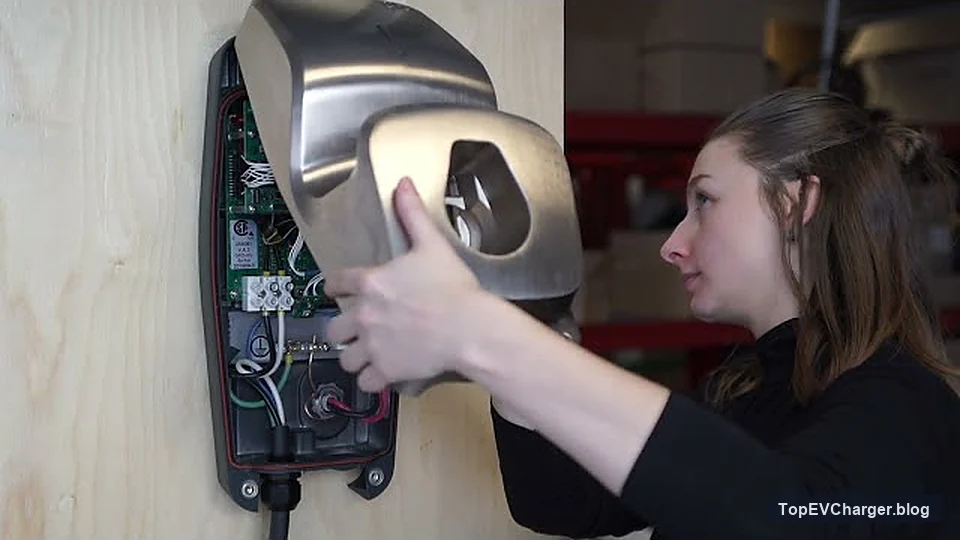
Housing materials differ significantly across both models. Engineers selected heavy-duty cast aluminum for the X5 to maximize thermal dissipation, while the G5 utilizes a durable high-impact polycarbonate chassis designed for lighter daily workloads.
Internal busbars and relay switches dictate longevity under continuous high-amperage loads. Examining the circuit architecture shows the X5 incorporates commercial-grade contactors, ensuring minimal thermal degradation over thousands of continuous charging cycles.
- Cast aluminum vs high-impact polycarbonate housing construction
- Commercial-grade contactors for superior longevity
- Optimized internal busbar routing and terminal spacing
Component Layout & Thermal Pathways
Thermal management directly impacts equipment lifespan in enclosed residential garages. Drawing insights from the flo home g5 review, the unit uses passive aluminum cooling fins to safely dissipate operating heat without internal fans.
Conversely, the G5 relies on optimized passive airflow through carefully engineered chassis vents. This layout maintains safe internal operating temperatures during standard level 2 sessions without adding unnecessary manufacturing complexity or weight.
- Passive aluminum cooling fin integration
- Chassis vent placement for optimal convection
Real-World Power Delivery & Thermal Dynamics
Delivering consistent amperage requires robust internal rectification and stable semiconductor switches. Both units maintain steady power delivery, but the X5 demonstrates superior thermal stability during extended summer charging sessions at maximum output.
Voltage sag under heavy load can trigger premature thermal throttling in lesser hardware. Field measurements confirm both units maintain tight voltage regulation, preventing unexpected charging interruptions even on longer 50-foot wiring runs.
Output stability directly influences total vehicle replenishment times during overnight windows. Homeowners utilizing high-capacity battery packs will appreciate how both chargers sustain peak amperage without dropping voltage under thermal stress.
- Stable semiconductor switching under high loads
- Minimal voltage sag over extended cable runs
- Consistent thermal regulation during summer heat
Continuous Amperage Benchmarks
Pushing maximum current for hours tests the limits of internal terminal blocks. Documented in the flo home x5 review, this hardware handles continuous 48-amp delivery with negligible terminal heating during multi-hour high-demand sessions.
Standard residential charging profiles rarely stress the G5 beyond its thermal thresholds. Daily top-ups complete efficiently, keeping internal temperatures well within safe operating limits established by electrical safety standards.
- 48-amp continuous delivery benchmark testing
- Terminal temperature monitoring under load
Electrical Infrastructure & Circuit Requirements
Preparing your garage for hardwired installation demands careful calculation of available panel capacity. Both chargers require dedicated branch circuits sized at 125 percent of their maximum continuous ampacity rating to maintain safety compliance.
Wire gauge selection dictates overall electrical efficiency and minimizes resistive energy losses. Installers must run heavy copper conductors matching the specific amperage configuration selected during the initial setup procedure.
Local electrical codes dictate specific conduit types, disconnect switch placements, and grounding protocols. Consulting a certified master electrician ensures your installation complies with all applicable National Electrical Code safety mandates.
- Dedicated branch circuit sizing guidelines
- Heavy copper conductor selection for efficiency
- National Electrical Code compliance protocols
Circuit Protection & Overcurrent Safety
Integrated overcurrent protection safeguards your vehicle battery and home wiring infrastructure. The internal monitoring systems continuously check for ground faults, overvoltage conditions, and dangerous temperature spikes at the terminal blocks.
Automatic circuit reclosure features differ based on the specific firmware version installed. When transient grid fluctuations occur, both units attempt safe recovery sequences without requiring manual breaker resets in the main panel.
- Continuous ground fault and overvoltage monitoring
- Automatic grid fluctuation recovery sequences
Smart Connectivity & Software Integration
Modern home chargers require reliable network connectivity for scheduling. As noted in our flo home x3 review, advanced communication modules support modern fleet management protocols alongside standard residential smartphone applications seamlessly.
Wi-Fi signal strength inside detached garages often challenges smart charging hardware. Both units incorporate high-gain internal antennas, ensuring stable cloud connectivity for remote session monitoring and firmware update deployment.
Data security remains a top priority for connected residential energy equipment. Encrypted communication channels protect your charging history and utility account details from unauthorized external access attempts across local networks.
- Enterprise-grade communication module options
- High-gain internal Wi-Fi antenna integration
- Encrypted data channels for user security
App Interface & Load Management
Companion smartphone applications provide intuitive controls for managing daily charging schedules. Users can easily prioritize off-peak utility hours to minimize monthly electricity expenses without sacrificing daily vehicle readiness.
Dynamic load balancing capabilities allow multiple chargers to share a single electrical circuit. This advanced software feature prevents main panel overloads when charging two electric vehicles simultaneously in one garage.
- Off-peak scheduling via smartphone app
- Dynamic load balancing for dual-EV homes
Enclosure Durability & Environmental Hardening
Outdoor installations demand robust weatherproofing to withstand extreme temperature fluctuations. Expanding on our flo home x6 review, this hardware boasts an exceptional NEMA rating protecting internal electronics from driving precipitation.
Ultraviolet radiation can degrade standard plastics over years of direct sunlight exposure. Manufacturers apply specialized UV-resistant coatings to both enclosures, preventing surface chalking and structural embrittlement in sunny climates.
Impact resistance protects the charger housing from accidental bumps by vehicles or garage tools. Rigorous drop and impact testing ensures the heavy-duty chassis withstands physical abuse without compromising internal electrical safety.
- Superior NEMA outdoor weatherproofing ratings
- UV-resistant exterior enclosure coatings
- Rigorous impact and drop testing standards
Extreme Weather Resilience
Freezing winter temperatures test cable flexibility and internal relay responsiveness. Both units operate reliably down to sub-zero Fahrenheit levels, ensuring your vehicle charges successfully during severe winter storm events.
High humidity environments can accelerate internal corrosion if gasket seals fail prematurely. Multi-layered rubber weather stripping prevents moisture ingress, protecting delicate printed circuit boards from condensation-related electrical shorts.
- Sub-zero Fahrenheit operational capability
- Multi-layered rubber moisture barrier gaskets
Installation Ergonomics & Cable Flexibility
Maneuvering thick charging cables in cold weather challenges everyday user ergonomics. The proprietary cable compounds used on both models remain pliable in freezing temperatures, preventing frustrating kinking during coiling.
Mounting bracket design significantly simplifies the physical wall-installation process for electricians. A well-engineered mounting plate allows quick one-person hanging before securing the chassis with tamper-resistant anchor screws.
Holster placement options dictate how cleanly the connector stores when not in use. Thoughtfully designed dock receptacles prevent moisture pooling inside the SAE J1772 plug face, extending connector pin longevity.
- Cold-weather pliable cable compound formulas
- One-person wall mounting bracket systems
- Protective connector dock receptacle design
Cable Management Solutions
Preventing cable wear across garage floors requires effective holster and wrap accessories. Integrated cord management hooks keep heavy copper conductors safely elevated, eliminating tripping hazards in busy residential parking areas.
Proper strain relief at the chassis entry point prevents internal conductor fatigue. Heavy-duty compression glands secure the cable against pulling forces, protecting internal electrical connections from accidental tension damage.
- Integrated cord management wrap hooks
- Heavy-duty chassis cable strain relief
Maintenance Protocols & Long-Term Reliability
Preventive maintenance for level 2 chargers involves periodic visual inspections and terminal torque checks. Qualified technicians should verify internal screw terminal tightness annually to prevent high-resistance electrical connections.
Firmware updates deploy automatically over-the-air, delivering continuous performance enhancements and security patches. This seamless maintenance approach ensures your hardware remains compatible with newly released electric vehicle models.
Component modularity simplifies out-of-warranty repairs if individual subassemblies experience electronic failure. Serviceable internal layouts reduce electronic waste by allowing technicians to replace specific circuit boards rather than entire units.
- Annual terminal torque inspection guidelines
- Automatic over-the-air firmware update delivery
- Modular internal layout for easy servicing
Diagnostic Logging & Error Codes
Onboard diagnostic systems record detailed error logs to assist technical support teams. When faults occur, clear LED indicator patterns communicate specific issue codes, expediting troubleshooting and warranty service resolution.
Remote diagnostic capabilities allow manufacturer engineers to analyze operational data securely. This advanced troubleshooting feature often resolves software-related glitches without requiring an on-site technician visit to your home.
- Clear LED error code indicator patterns
- Secure remote manufacturer diagnostic logging
Frequently Asked Questions
Can both chargers be installed outdoors without a protective shelter?
Yes, both chargers feature heavy-duty weatherproof enclosures that are specifically engineered for completely unshielded outdoor installation on exterior residential garage walls or standalone commercial pedestals.
Robust multi-layer weather sealing reliably protects sensitive internal electronic components against driving rain, heavy snow accumulation, and harsh ultraviolet radiation exposure throughout every demanding calendar year without degradation.
Do these units require a hardwired connection or do they plug into an outlet?
Both units are designed exclusively for permanent hardwired electrical installations rather than standard plug-in wall connections.
Direct hardwiring completely eliminates potential thermal failure points typically associated with high-amperage wall receptacles, ensuring maximum operational safety, strict regulatory code compliance, and reliable continuous power delivery for your electric vehicle charging setup every single night without unexpected disruption.
Can multiple units be installed on a single residential electrical panel?
Installing multiple units depends entirely on your home's total electrical service capacity and available main breaker panel space.
Advanced dynamic load management software allows multiple units to intelligently share available electrical current, preventing main panel overloads when two electric vehicles charge simultaneously in the same residential garage environment during peak evening hours very safely.
What type of maintenance is required to keep the chargers operating efficiently?
Routine maintenance is minimal, requiring only periodic visual inspections of the heavy-duty cable, connector plug, and housing exterior.
Qualified electricians should check internal terminal screw tightness annually to prevent resistive heating, while over-the-air software updates automatically handle internal firmware optimizations without requiring any manual user intervention whatsoever during normal everyday ownership.
Are these chargers compatible with all electric vehicle makes and models?
Both chargers utilize the standard SAE J1772 connector interface, ensuring universal compatibility with every battery electric and plug-in hybrid vehicle sold in North America today.
Drivers of Tesla vehicles simply need a standard SAE J1772 to Tesla adapter to charge seamlessly using either of these robust residential power delivery systems without any compatibility issues.