Bosch Ev300 vs. Clippercreek Hcs 40: Which Fits Your Setup Better?
The Bosch EV300 delivers compact everyday charging efficiency for residential commuters. Conversely, the ClipperCreek HCS-40 offers heavy-duty industrial build quality built for rugged multi-vehicle environments.


Choose the ClipperCreek HCS-40 for unmatched commercial-grade durability and continuous outdoor reliability. Select the Bosch EV300 if you need a lightweight, space-saving unit for standard residential garage installations.
Compare all top models in our Best Ev Level 2 Charger.
Side-by-Side Breakdown
| Criteria | Bosch Ev300 | Clippercreek Hcs 40 | Edge |
|---|---|---|---|
| Peak Performance & Output | 30 Amps (7.2 kW) | 40 Amps (9.6 kW) | Clippercreek Hcs 40 |
| Duty Cycle & Consistency | Moderate residential duty | Continuous heavy duty | Clippercreek Hcs 40 |
| Operating Noise & Vibration | Silent passive cooling | Silent solid-state relays | Tie |
| Portability & Footprint | Ultra-compact wall profile | Rugged larger enclosure | Bosch Ev300 |
| Maintenance & Service Life | Standard consumer lifespan | Extended industrial service life | Clippercreek Hcs 40 |
| Power Requirements | 40-Amp dedicated breaker | 50-Amp dedicated breaker | Bosch Ev300 |
| Best Ideal Use-Case | Indoor home garage | All-weather fleet parking | Clippercreek Hcs 40 |
Engineering Architecture and Power Delivery Fundamentals
Evaluating Level 2 charging hardware requires analyzing internal power delivery efficiency. Both systems convert alternating current into reliable direct vehicle energy, yet their underlying circuit board architectures differ significantly in component layout and thermal pathways.
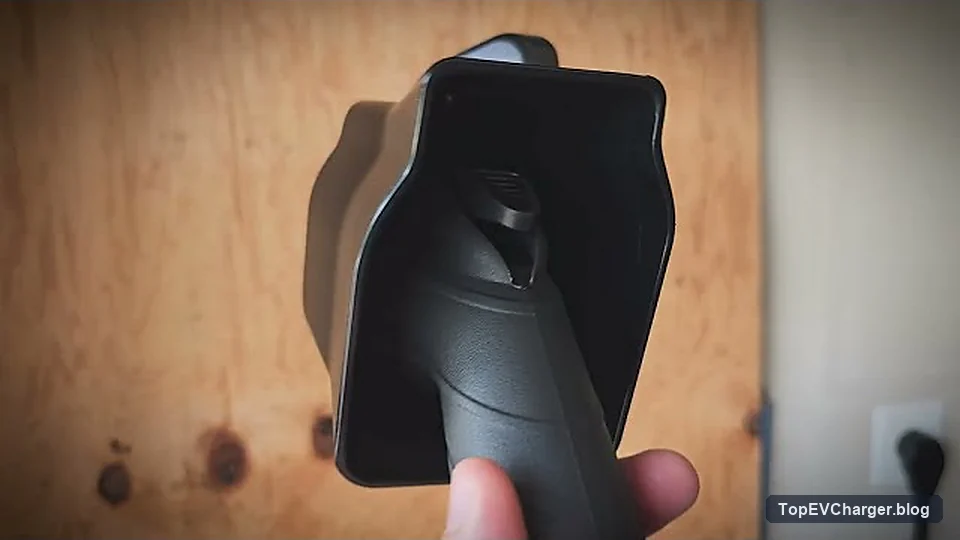
The Bosch EV300 prioritizes a minimalist circuit design focused on reducing internal resistance. This streamlined approach minimizes standby power draw, making it highly efficient for residential utility rates during off-peak charging schedules every night.
Meanwhile, as noted in our clippercreek hcs-40 review, the hardware utilizes robust industrial-grade relays and thick copper busbars. These heavy components handle sustained electrical loads without premature degradation.
- Bosch EV300 maximizes standby efficiency through minimalist circuit design.
- ClipperCreek HCS-40 employs thick copper busbars for superior electrical flow.
- Both units support standard SAE J1772 residential vehicle connectivity interfaces.
Voltage Regulation and Current Stability
Maintaining stable output voltage during peak grid demand prevents vehicle charging faults. The Bosch unit adjusts dynamically to minor grid fluctuations using sensitive internal monitoring microprocessors.
ClipperCreek relies on brute-force component tolerance to absorb minor voltage spikes safely. This heavy-duty approach guarantees steady output even when local utility grids experience severe brownouts.
- Microprocessor monitoring protects the Bosch internal charging pathways.
- Component tolerance shields ClipperCreek from erratic grid fluctuations.
Internal Circuitry and Component Layout
Internal component spacing dictates how effectively trapped heat escapes the sealed housing. Bosch utilizes a tightly packed circuit board layout to achieve its remarkably small physical wall footprint.
ClipperCreek spaces out heavy-duty contactors across a larger aluminum backplate. This generous internal spacing prevents localized hot spots during multi-hour high-amperage charging sessions.
- Tight board spacing allows Bosch to maintain a slim profile.
- Spaced contactors prevent hot spots inside the ClipperCreek enclosure.
Thermal Dynamics and Continuous Duty Performance
Managing internal heat accumulation remains the single greatest engineering challenge for residential EV chargers. Continuous current passing through semiconductors generates significant thermal energy that must dissipate safely into the ambient air.
The Bosch EV300 relies on natural passive convection cooling across its composite shell. While adequate for standard daily commutes, extended high-amperage sessions can prompt internal thermal protection safeguards to engage.
The ClipperCreek HCS-40 features a massive cast-aluminum enclosure acting as an oversized heatsink. This superior thermal design allows the unit to maintain full output indefinitely without risking premature thermal shutdown.
- Natural convection cools the compact composite Bosch chassis.
- Cast-aluminum housing acts as a massive thermal heatsink for ClipperCreek.
- Continuous duty ratings favor the heavy-duty ClipperCreek thermal design.
Ambient Temperature Tolerances
Extreme weather tests the physical limits of electronic components and housing seals. Bosch operates reliably within standard residential temperature ranges found inside enclosed suburban garages.
ClipperCreek thrives in sub-zero winters and scorching summer desert environments alike. Its rugged industrial design shrugs off extreme ambient temperature swings without sacrificing operational charging output.
- Bosch excels inside climate-controlled or semi-sheltered home garages.
- ClipperCreek handles extreme outdoor weather without performance degradation.
Thermal Throttling Thresholds
When internal temperatures rise too high, safety firmware must throttle charging current. Bosch implements conservative thresholds to protect delicate consumer-grade semiconductors from long-term heat fatigue.
ClipperCreek engineers its hardware with industrial safety margins that rarely require current throttling. Drivers get maximum power delivery regardless of how hot the summer afternoon sun gets.
- Conservative firmware protects Bosch internal semiconductor components.
- Industrial safety margins eliminate unnecessary ClipperCreek power throttling.
Enclosure Engineering, Materials, and Weather Resistance
Physical housing durability determines how well a charging station survives outdoor elements and accidental impacts. Enclosure materials must resist UV degradation, moisture ingress, and physical bumps from vehicles.
The Bosch EV300 utilizes a lightweight polycarbonate blend optimized for indoor garage aesthetics. This smooth plastic shell resists scratches but lacks the rugged impact resistance required for commercial settings.
Conversely, according to our clippercreek hcs-40p review, that alternative features a heavy-duty NEMA 4 rated fully sealed enclosure. This rugged powder-coated steel housing withstands direct hose spray and heavy snowfall.
- Polycarbonate shell gives Bosch an attractive indoor aesthetic.
- NEMA 4 steel enclosure makes ClipperCreek completely weather-proof.
- Impact resistance favors the industrial build quality of ClipperCreek.
Ingress Protection and Moisture Sealing
Keeping moisture away from high-voltage circuits prevents catastrophic electrical shorts and equipment failure. Bosch provides standard splash-proof protection suitable for covered residential carports or garages.
ClipperCreek utilizes heavy rubber gaskets and watertight compression fittings around every cable entry point. This rigorous sealing prevents rain or humidity from penetrating the primary electrical compartment.
- Splash-proof seals protect Bosch units in covered carports.
- Watertight compression fittings completely seal ClipperCreek internal components.
UV Radiation and Impact Durability
Direct sunlight causes unprotected plastics to become brittle, fade, and crack over time. Bosch applies a specialized UV-resistant coating to maintain its clean finish during outdoor installation.
ClipperCreek applies industrial powder coat over thick steel plates to resist UV rays. This rugged finish prevents fading, rust, and physical dents from compromising the structural integrity.
- Specialized UV coatings prevent Bosch plastics from turning brittle.
- Powder-coated steel protects ClipperCreek against rust and dents.
Cable Ergonomics, Strain Relief, and Connector Longevity
Daily user interaction centers heavily on handling the charging cable and vehicle connector. Cable flexibility, jacket durability, and strain relief design dictate user satisfaction over years of use.
The Bosch EV300 features a relatively lightweight cable that remains flexible during chilly mornings. This makes wrapping the cable around the unit housing effortless for everyday commuters.
The ClipperCreek HCS-40 utilizes a thicker, heavy-duty industrial cable designed to resist crushing. While slightly stiffer in freezing weather, this robust jacket survives being driven over accidentally by cars.
- Lightweight cable makes Bosch easy to coil after every use.
- Heavy-duty cable on ClipperCreek resists crushing and wear.
- Both connectors feature ergonomic grips matching standard industry specs.
Strain Relief Engineering at Entry Points
Repetitive pulling forces stress the cable entry point where internal wires meet the enclosure. Bosch incorporates flexible rubber boots to distribute bending stress evenly across the cable length.
ClipperCreek employs heavy industrial cable glands with internal clamping jaws. This robust mechanical relief prevents internal wire fatigue even when users yank the cord forcefully.
- Rubber boots distribute bending stress on the Bosch cable.
- Industrial cable glands lock ClipperCreek wiring securely in place.
Connector Handle Ergonomics and Latch Mechanisms
The vehicle coupler handle must feel comfortable in hand while withstanding repeated drops. Bosch designs a sleek handle with an easy-to-press thumb latch for effortless plugging.
ClipperCreek builds a rugged, glass-filled thermoplastic handle engineered to survive accidental drops on concrete. The stainless steel locking pin ensures positive engagement with your vehicle inlet.
- Sleek thumb latch makes Bosch simple to disconnect quickly.
- Rugged thermoplastic handle on ClipperCreek survives concrete impacts.
Electrical Safety Infrastructure and Grid Protection
Protecting your home electrical grid and vehicle requires multilayered safety mechanisms. Modern chargers incorporate rigorous fault detection systems to isolate power instantly during abnormal conditions.
The Bosch EV300 includes standard ground fault circuit interruption circuitry monitoring current balance. If an imbalance occurs, the unit instantly cuts power to prevent potential electrical shock hazards.
The ClipperCreek HCS-40 features advanced diagnostic self-test routines running before every charge session. This proactive safety protocol verifies relay health and ground continuity before energizing the output cable.
- Ground fault circuit interruption protects users from electrical shock.
- Proactive self-tests verify ClipperCreek relay health before charging.
- Both systems comply with rigorous national electrical safety standards.
Ground Fault Detection and Auto-Reclosing
Transient electrical noise can sometimes trigger false ground fault error codes. Bosch includes automatic reset algorithms to recheck the circuit after temporary glitches clear up.
ClipperCreek prioritizes strict safety lockout when persistent faults occur, requiring manual intervention. This prevents faulty vehicle systems from repeatedly energizing a compromised charging circuit.
- Automatic reset algorithms help Bosch clear temporary transient faults.
- Strict safety lockouts on ClipperCreek prevent repeated hazardous faults.
Surge Suppression and Overcurrent Protection
Lightning strikes and grid switching send damaging voltage surges down utility lines. Bosch incorporates internal metal oxide varistors to absorb minor electrical spikes safely.
ClipperCreek utilizes heavy-duty surge suppression components capable of absorbing significant electrical transients. This industrial protection safeguards both your home wiring and expensive vehicle battery.
- Metal oxide varistors absorb minor electrical spikes on Bosch.
- Heavy-duty surge suppression protects ClipperCreek from severe transients.
Installation Requirements and Electrical Infrastructure
Successful hardware deployment depends heavily on matching your home electrical panel capacity. Proper breaker sizing and wire gauge selection ensure safe, compliant daily operation.
As highlighted in our bosch ev300 review, this unit requires a standard 40-amp dedicated circuit breaker paired with appropriate copper wiring for older residential electrical panels.
The ClipperCreek HCS-40 demands a robust 50-amp dedicated circuit breaker to deliver its full output. Upgrading your garage electrical supply may be necessary if your home panel lacks available amperage.
- Bosch requires a standard 40-amp dedicated breaker for installation.
- ClipperCreek demands a 50-amp breaker to support full 40-amp output.
- Professional electrician installation is strongly recommended for both units.
Hardwire Versus Plug-In Configuration Options
Choosing between plug-in flexibility and hardwired permanence impacts installation complexity. Bosch offers user-friendly plug-in configurations utilizing standard high-voltage residential electrical outlets.
ClipperCreek units are frequently configured for permanent hardwiring to eliminate plug resistance. This hardwired approach ensures maximum connection stability for high-amperage outdoor installations.
- Plug-in options make Bosch installation quick and straightforward.
- Hardwired connections provide maximum stability for ClipperCreek units.
Conduit Routing and Wall Mounting Hardware
Securing the heavy charging unit to masonry or drywall requires sturdy mounting brackets. Bosch includes lightweight mounting templates and standard hardware for quick garage wall attachment.
ClipperCreek provides heavy-gauge steel mounting brackets designed to anchor securely into studs. Their rigid mounting system prevents the charger from sagging or vibrating during operation.
- Lightweight mounting templates simplify Bosch garage installation.
- Heavy steel brackets secure ClipperCreek firmly against vibration.
Maintenance Protocols and Long-Term Reliability Analysis
Minimizing long-term maintenance ensures your EV charging investment delivers dependable service. Routine visual inspections and basic cleaning preserve terminal integrity over years of operation.
The Bosch EV300 requires minimal upkeep beyond occasional cable wiping and connector checks. Its consumer-grade engineering is designed for hassle-free operation in clean residential garages.
Similarly, as highlighted in our clippercreek hcs-50 review, this heavier commercial-grade charging hardware is engineered specifically for set-and-forget industrial reliability with virtually zero maintenance needs.
- Bosch requires simple periodic cable cleaning and visual inspections.
- ClipperCreek offers set-and-forget industrial reliability with minimal upkeep.
- Both chargers feature solid-state electronics eliminating moving mechanical parts.
Connector Pin Inspection and Cleaning
Checking vehicle connector pins for oxidation prevents high-resistance heating issues. Inspecting the brass contact pins annually ensures clean electrical transfer during every charging session.
ClipperCreek uses silver-plated contact pins that resist corrosion significantly better than standard brass. This industrial plating minimizes maintenance requirements over extended multi-year service lives.
- Annual pin inspections prevent high-resistance electrical heating.
- Silver-plated contacts on ClipperCreek resist long-term corrosion.
Expected Service Lifespan and Warranty Support
Evaluating manufacturer warranties provides insight into expected hardware longevity and build confidence. Bosch provides standard consumer warranty coverage reflecting its residential design class.
ClipperCreek backs its industrial hardware with industry-leading warranty support and robust customer service. This commitment underscores their confidence in long-term commercial-grade durability.
- Bosch provides standard consumer warranty protection for residential users.
- Industry-leading warranty coverage highlights ClipperCreek long-term durability.
Frequently Asked Questions
Can the Bosch EV300 be installed outdoors safely?
The Bosch EV300 is primarily engineered for indoor garage use. While it handles light splashing under a covered carport, direct exposure to heavy rain is discouraged.
What size electrical breaker does the ClipperCreek HCS-40 require?
The ClipperCreek HCS-40 requires a dedicated 50-amp circuit breaker to deliver its full output safely. Always consult a licensed electrician before installation.
Do either of these chargers feature smart Wi-Fi connectivity?
Neither unit includes smart Wi-Fi features. Both are non-networked chargers focusing strictly on reliable plug-and-charge functionality without companion app requirements.
Which charger charges my electric vehicle faster?
The ClipperCreek HCS-40 charges faster because it delivers 40 amps compared to the Bosch unit's 30 amps. This provides higher kilowatt output to compatible vehicles.
Are replacement cables available if the cord gets damaged?
Replacement cables and connector assemblies are available through manufacturer support channels. Professional servicing is recommended to maintain electrical safety compliance.