16 Amp vs. 32 Amp EV Charger: Engineering Trade-Offs for Home
Evaluating 16-amp and 32-amp home electric vehicle supply equipment requires analyzing electrical infrastructure limits. Selecting the right amperage ensures optimal charging speeds without overloading your residential panel.

The 32-amp charger wins for primary daily drivers needing fast replenishment. Choose the 16-amp unit only if your garage has severe electrical panel capacity constraints.
Compare all top models in our Best Ev Level 2 Charger.
Side-by-Side Breakdown
| Criteria | 16 Amp | 32 Amp EV Charger | Edge |
|---|---|---|---|
| Peak Performance & Output | 3.8 kW continuous delivery | 7.7 kW continuous delivery | 32 Amp Ev Charger |
| Duty Cycle & Consistency | Low thermal stress levels | Higher sustained thermal load | 16 Amp |
| Operating Noise & Vibration | Completely silent passive cooling | Silent passive or quiet active | Tie |
| Portability & Footprint | Compact enclosure, lighter cable | Heavier housing, thicker cabling | 16 Amp |
| Maintenance & Service Life | Minimal wear on terminals | Requires periodic terminal torque checks | 16 Amp |
| Power Requirements | Standard 20-amp dedicated breaker | Heavy-duty 40-amp dedicated breaker | 16 Amp |
| Best Ideal Use-Case | Plug-in hybrids or light commutes | Battery electric vehicles and daily driving | 32 Amp Ev Charger |
Electrical Infrastructure and Circuit Load Demands
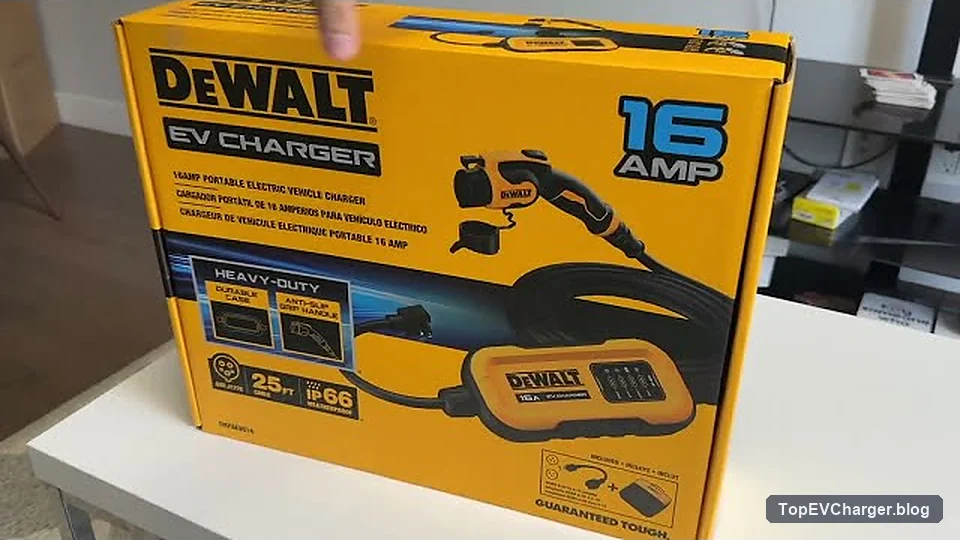
Residential electrical panels dictate your maximum allowable charging amperage based on calculated load. Installing a 16-amp unit typically requires only a basic 20-amp dedicated branch circuit.
Upgrading to higher outputs like a 48-amp system demands a heavy-duty circuit. Consulting our guide on what size breaker for 48 amp EV charger ensures full compliance with local electrical safety codes.
Managing continuous loads requires strict adherence to the National Electrical Code. A 16 amp charger demands a minimum 20-amp dedicated breaker to safely handle the continuous electrical draw without premature tripping.
Stepping up to a 32 amp unit necessitates a heavy-duty 40-amp circuit breaker. This larger infrastructure upgrade accommodates the substantially higher sustained current flowing through residential electrical service panels during long sessions.
- 16-amp units operate safely on standard 20-amp double-pole breakers.
- 32-amp systems require continuous duty ratings on 40-amp breakers.
- National Electrical Code rules mandate an 80 percent continuous load limit.
Assessing Existing Panel Capacity
Licensed electricians must perform a complete load calculation before mounting high-draw equipment. Adding heavy loads without verification risks tripping main breakers during peak household hours.
Smart energy management systems can mitigate panel deficits if your main service panel is rated at one hundred amps or lower.
- Calculate total home amperage draw prior to equipment selection.
- Verify wire gauge thickness inside existing conduit runs.
Performance Metrics and Real-World Charging Speeds
Power delivery dictates range recovery speeds. Reviewing options in our best 32 amp EV charger roundup helps you select hardware that doubles throughput to roughly 7.7 kilowatts for efficient daily driving.
Conversely, a 32-amp charger doubles that throughput to approximately 7.7 kilowatts. This higher output cuts overnight charging duration in half for most modern electric vehicles.
Delivering roughly 3.8 kW of power, a standard 16-amp Level 2 device replenishes standard battery packs at a steady, manageable pace. This output suits overnight recovery for plug-in hybrids and smaller commuter electric vehicles.
Operating at 7.7 kW, the 32-amp alternative drastically cuts replenishment durations. Drivers can fully restore large battery capacities within standard off-peak utility pricing windows, maximizing energy cost savings over time.
- 16-amp systems add about 11 miles of driving range hourly.
- 32-amp systems restore roughly 25 to 30 miles per hour.
- Vehicle onboard charger limits can also restrict maximum intake speeds.
Overnight Replenishment Scenarios
Most commuters plug in for ten hours overnight, making recovery speed critical for drained batteries. Lower amperage units easily handle normal daily mileage deficits easily.
Larger battery packs in full electric trucks require the higher output to achieve full recovery before morning departure times.
- Standard commutes under forty miles recover quickly on lower amperage.
- Large battery packs benefit immensely from faster throughput.
Thermal Management and Component Durability
Electrical resistance generates heat inside charging plugs and internal relays during extended sessions. Lower amperage operation produces minimal thermal stress across all internal electronic components.
Higher amperage draws require heavy-duty contactors and superior thermal dissipation designs to prevent premature degradation. Quality enclosure ventilation remains critical for long-term hardware reliability.
Internal thermal dynamics play a massive role in hardware lifespan. Lower amperage units generate minimal heat within the enclosure, reducing thermal stress on internal relays and microprocessors during extended charging cycles.
Higher current throughput demands robust passive cooling or active heat sinking. Without proper thermal dissipation engineering, continuous high-amperage operations can accelerate component aging and trigger internal over-temperature protective derating events.
- Lower current flow translates to cooler operating temperatures.
- Higher current demands robust copper busbars and thermal sensors.
- Enclosure ingress ratings protect internal circuitry from weather elements.
Weatherproofing and Housing Integrity
Outdoor installations demand rigorous NEMA ratings to withstand heavy rain, snow, and extreme sun exposure. Durable polycarbonate housings resist ultraviolet degradation over years of outdoor service.
Internal potting compounds protect sensitive printed circuit boards from moisture condensation and corrosive ambient environments.
- Look for NEMA 4 enclosure ratings for exposed outdoor mounting.
- Inspect rubber gaskets annually to maintain weather seals.
Physical Footprint and Cable Ergonomics
Daily cable handling affects user satisfaction significantly. Conversely, heavy-duty hardware evaluated in our best 50 amp level 2 charger reviews features thick conductors that add noticeable weight and stiffness to the assembly.
Thicker cables required for higher amperages add noticeable weight and stiffness to the assembly. Storing heavy cables requires robust holster designs to prevent strain on connectors.
Cable flexibility directly impacts daily user ergonomics. A 16-amp configuration typically utilizes thinner 14 AWG or 12 AWG equivalent internal conductors, yielding a lightweight tether that remains highly pliable in freezing winter temperatures.
Conversely, 32-amp systems require heavier copper configurations to safely transmit increased electricity. This adds notable bulk to the output cable, demanding more physical effort when coiling and storing the equipment daily.
- Lighter cables improve ease of use during freezing winter months.
- Heavier cables demand sturdy wall mounts and secure cable management.
- Connector ergonomics dictate comfort during frequent daily plugging cycles.
Managing Cable Length and Storage
Choosing the correct cable length prevents dangerous loops and unnecessary voltage drop across the run. Twenty-five-foot cables provide optimal reach for awkward garage parking configurations.
Properly designed cable management hooks prevent accidental run-overs and keep garage floors clear of tripping hazards.
- Select cable lengths that match your specific parking layout.
- Avoid tightly coiling live cables to prevent inductive heating.
Standby Efficiency and Power Factor Analysis
Standby power consumption accounts for the idle energy consumed by onboard Wi-Fi radios and microcontrollers. Modern units maintain low idle draws under five watts during standby periods.
Power factor efficiency remains high across both amperage tiers when utilizing quality internal transformers. Minimizing phantom load reduces unnecessary baseline electricity costs over time.
Standby energy consumption represents a minor but continuous electrical draw. Most modern residential EV supply equipment consumes between 2 to 5 watts of idle power while maintaining active Wi-Fi and vehicle communication protocols.
Power factor efficiency remains high across both charger classes during active delivery phases. High-grade internal rectification components ensure that apparent power closely matches actual real power transferred to the vehicle battery pack.
- Standby power consumption stays minimal across reputable hardware brands.
- Smart connectivity features add negligible idle energy overhead.
- High power factor ratings ensure efficient electricity grid utilization.
Smart Features and Connectivity Impact
Wi-Fi and Bluetooth modules allow scheduling, energy tracking, and remote authorization through smartphone applications. These digital features consume constant background power regardless of output amperage.
Hardwired network connections offer superior reliability compared to wireless setups in remote detached garages.
- Schedule charging sessions during off-peak utility rate hours.
- Monitor cumulative energy usage directly through mobile apps.
Installation Costs and Wiring Requirements
Upfront hardware and labor expenses vary widely depending on electrical infrastructure demands. Installing a basic circuit for lower amperage keeps contractor labor fees relatively minimal.
Running thick conduit and heavy copper wire for high-output hardware significantly increases total project expenses. Always consult certified professionals to ensure local building code compliance.
Upfront installation expenditures vary based on existing home infrastructure limits. Upgrading a garage subpanel to support higher loads requires thicker conduit runs and heavier gauge branch wiring, significantly increasing total material expenses.
Installing lower capacity hardware often utilizes existing dryer circuits or simple NEMA 6-20 outlets. This plug-and-play capability bypasses complex electrician labor fees, making lower amperage choices budget-friendly for straightforward residential garage retrofits.
- Permit fees and inspection costs apply to all new circuit installations.
- Wire gauge thickness directly correlates with material purchasing expenses.
- Professional installation guarantees adherence to local safety codes.
Hardwired Versus Plug-In Configurations
Hardwired installations eliminate potential failure points associated with heavy-duty wall receptacles over time. Plug-in units offer convenient portability if you relocate to a new home.
Outdoor outlets require weatherproof covers and specialized GFCI breakers per current electrical safety regulations.
- Hardwiring provides permanent, tamper-resistant electrical connections.
- NEMA 14-50 outlets offer flexibility for portable charging units.
Matching Amperage Levels to Daily Commuting Workloads
Your daily driving mileage is the single most important factor in determining required charger output. Drivers with short commutes easily replenish battery reserves using slower equipment.
High-mileage drivers and multi-vehicle households require faster throughput to maintain seamless mobility without range anxiety. Assessing driving habits prevents overspending on unnecessary electrical upgrades.
Analyzing daily commuting distances clarifies hardware selection priorities. Motorists driving fewer than 40 miles daily easily recover energy overnight using models featured in our best 16 amp level 2 charger guide without stressing electrical feeds.
Drivers tackling extensive highway commutes or operating multi-vehicle households benefit immensely from 32-amp capability. The rapid replenishment rate ensures complete battery top-offs even during tightly compressed turnaround schedules between morning and evening commutes.
- Analyze your average daily mileage before purchasing charging hardware.
- Consider future vehicle upgrades when sizing your home electrical setup.
- Match charging speed to your routine home parking duration.
Future-Proofing Your Home Garage
Investing in higher capacity infrastructure now prevents costly rewiring projects when upgrading vehicles later. Future electric vehicles may feature even larger battery packs requiring faster replenishment.
Balanced load-sharing configurations allow multiple chargers to operate safely on a single constrained electrical circuit.
- Anticipate growing household EV adoption in future planning.
- Install robust conduit to simplify future electrical wire upgrades.
Frequently Asked Questions
Can a 16-amp charger fully replenish a large electric vehicle battery overnight?
Yes, a 16-amp charger typically restores roughly 110 miles of driving range over a standard ten-hour overnight period. This easily covers average daily commuting demands for most drivers.
Do I need a professional electrician to install a 32-amp charging unit?
Absolutely, because a 32-amp charger requires a dedicated 40-amp breaker and heavy-gauge wiring. Professional installation ensures compliance with local building safety codes.
Which amperage option generates less heat and wear on home wiring?
The 16-amp charger produces significantly less thermal stress on electrical terminals. Lower current flow naturally results in cooler operating temperatures during extended sessions.
Are cables on 32-amp chargers heavier and harder to manage in winter?
Yes, thicker conductors required for higher amperage make 32-amp cables heavier and stiffer in cold weather. Lighter cables on lower-amperage units offer superior ergonomic handling.
Will installing a higher amperage charger require upgrading my main electrical panel?
Many older homes require panel upgrades to safely support the continuous heavy load of a 32-amp charger. Always request a professional load calculation first.